Cangzhou Jieyue Pipe Fittings Manufacturing Co., Ltd.



90 Degree Elbow with Flange Ensures Reliable Directional Flow and Secure Pipe Connections
2026-04-27
A 90 degree elbow with flange is a critical pipe fitting used in piping systems to change the direction of fluid flow by 90 degrees while providing a secure and detachable connection through flanged ends. This type of fitting is widely utilized in industries such as oil and gas, water treatment, chemical processing, power generation, and construction due to its structural strength, sealing reliability, and ease of installation.
The primary function of a 90 degree elbow is to redirect the flow of liquids or gases within a pipeline. By incorporating a flange, the fitting allows for bolted connections between pipes, valves, or equipment. This design offers a significant advantage over welded or threaded connections, as it enables easy assembly, disassembly, and maintenance. Flanged joints are especially useful in systems that require frequent inspection or component replacement.
Manufacturing materials for 90 degree elbows with flanges vary depending on application requirements. Common materials include carbon steel, stainless steel, alloy steel, ductile iron, and PVC or other plastics. Carbon steel is widely used for its strength and cost-effectiveness, while stainless steel offers excellent corrosion resistance for harsh or sanitary environments. Plastic variants are suitable for lightweight and corrosion-sensitive applications such as water supply systems.
The design of a 90 degree elbow with flange must comply with international standards such as ANSI, ASME, DIN, or JIS to ensure compatibility and performance. Key parameters include nominal diameter, pressure rating, wall thickness, and flange dimensions. Pressure ratings are typically classified into different levels, allowing the fitting to be used in low, medium, or high-pressure systems. Proper selection of these parameters is essential to ensure safe and efficient operation.

Sealing performance is a crucial aspect of flanged elbows. Gaskets are placed between the flange faces to prevent leakage when the bolts are tightened. The choice of gasket material depends on factors such as temperature, pressure, and the type of fluid being transported. Proper bolt tightening and alignment are also important to achieve a secure seal and avoid operational issues.
In terms of installation, 90 degree elbows with flanges are relatively easy to assemble. The flanges are aligned with corresponding pipe flanges, and bolts are inserted and tightened to create a strong mechanical joint. This process does not require specialized welding equipment, making it suitable for on-site installation and repair work. The detachable nature of the connection also reduces downtime during maintenance.
Applications of 90 degree elbows with flanges are extensive. In water supply and wastewater treatment systems, they are used to redirect flow in pipelines and connect pumps, valves, and filtration units. In the oil and gas industry, they handle the transport of crude oil, natural gas, and refined products under varying pressure and temperature conditions. In chemical plants, they are used in systems that require corrosion-resistant materials and secure sealing. Power plants also rely on these fittings for steam, cooling water, and fuel systems.
Durability and longevity are important benefits of these fittings. High-quality materials and precise manufacturing processes ensure resistance to mechanical stress, corrosion, and temperature fluctuations. Protective coatings such as galvanization or epoxy painting can further enhance durability, especially in outdoor or aggressive environments.
Customization options are available to meet specific project requirements. These may include special flange types, non-standard dimensions, custom pressure ratings, and additional surface treatments. Manufacturers can also provide different facing types such as raised face (RF), flat face (FF), or ring-type joint (RTJ) to suit various sealing needs.
From an economic standpoint, 90 degree elbows with flanges offer cost-effective solutions due to their reusability and ease of maintenance. The ability to disassemble and reuse components reduces replacement costs and extends the service life of the piping system. This makes them a preferred choice for industrial applications where reliability and efficiency are critical.
In conclusion, the 90 degree elbow with flange is an essential component in modern piping systems. Its ability to change flow direction while providing a secure, leak-proof, and detachable connection makes it highly valuable across multiple industries. With proper material selection, design, and installation, it ensures long-term performance, safety, and operational efficiency.
Key words:
newest 90 degree elbow with flange
RELATED INFORMATION
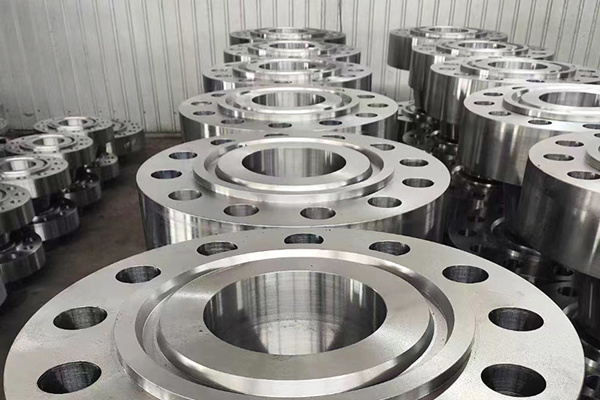
API 6A TYPE 6BX flanges and blinds in ANSI/API Spec 6A specification
2024-05-22

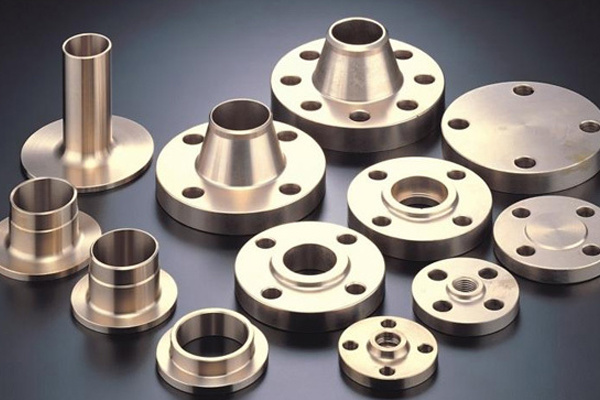
The Essential Guide to Carbon Steel Plate Flanges in Construction and Decoration
2024-05-22


Service E-mail
After-sales complaint E-mail:
WhatsApp / Tel / Wechat:
Address
Mengcun, Cangzhou City, Hebei Province
To inquire about our products, please leave your email to us and we will contact you within 24 hours.
Our Main Products


Cangzhou Jieyue Pipe Fittings Manufacturing Co., Ltd. | Poweredby:300.cn | Privacy Policy
City list