Cangzhou Jieyue Pipe Fittings Manufacturing Co., Ltd.



Understanding the Manufacturing Process of Weld Neck Pipe Flanges
2026-04-28
Understanding the Manufacturing Process of Weld Neck Pipe Flanges
Table of Contents
- 1. Introduction to Weld Neck Pipe Flanges
- 2. Materials Used in Weld Neck Pipe Flanges
- 3. Design Specifications for Weld Neck Pipe Flanges
- 4. The Manufacturing Process of Weld Neck Pipe Flanges
- 4.1 Cutting the Material
- 4.2 Forming the Flange
- 4.3 Machining the Flange
- 4.4 Heat Treatment Process
- 4.5 Finishing Touches
- 5. Quality Assurance in Manufacturing
- 6. Applications of Weld Neck Pipe Flanges
- 7. Common Issues and Solutions in Manufacturing
- 8. Conclusion
- 9. FAQs
1. Introduction to Weld Neck Pipe Flanges
Weld neck pipe flanges are critical components in various piping systems found in industries like oil and gas, water treatment, and chemical processing. These flanges are designed to provide a robust connection point for pipes, ensuring reliable seal integrity under high-pressure conditions. Their unique design features a long neck that allows for smooth alignment with the adjoining pipe. This article explores the **manufacturing process** of weld neck pipe flanges, detailing each step and emphasizing the importance of quality and precision in production.
2. Materials Used in Weld Neck Pipe Flanges
The choice of materials for weld neck pipe flanges is paramount to their performance and longevity. Common materials include:
- **Carbon Steel**: Known for its strength and versatility, carbon steel is widely used in various applications, especially where high strength is required.
- **Stainless Steel**: This material provides excellent resistance to corrosion and is ideal for applications involving aggressive environments.
- **Alloy Steel**: Used for high-temperature and high-pressure applications, alloy steel enhances the strength and durability of the flanges.
- **Nickel Alloys**: These are commonly used in extreme environments due to their superior corrosion resistance and mechanical properties.
Each material has distinct advantages and is chosen based on the specific requirements of the application.
3. Design Specifications for Weld Neck Pipe Flanges
The design of weld neck pipe flanges is a meticulous process that considers various factors, including:
- **Dimensions**: Weld neck flanges come in various sizes, standardized by organizations like ASME (American Society of Mechanical Engineers) and ANSI (American National Standards Institute).
- **Pressure Rating**: Flanges are rated to handle specific pressure levels, typically categorized into classes such as 150, 300, and 600.
- **Face Types**: The face of a flange can be raised, flat, or ring-type, depending on the sealing requirements and application.
Understanding these design specifications is crucial for engineers and fabricators to ensure compatibility with existing systems.
4. The Manufacturing Process of Weld Neck Pipe Flanges
The manufacturing process of weld neck pipe flanges involves several critical stages:
4.1 Cutting the Material
The process begins with cutting the raw material, typically in the form of plates or bars. Advanced cutting techniques, such as plasma cutting or water jet cutting, are used to achieve precise dimensions. The selected material must comply with the required specifications, ensuring that it can withstand the intended mechanical loads.
4.2 Forming the Flange
After cutting, the material is heated and formed into the shape of a flange. This process may involve **forging** or **hot forming**, where the material is shaped under high temperature and pressure. This step is critical as it affects the mechanical properties of the flange, including its strength and ductility.
4.3 Machining the Flange
Post-forming, the flange undergoes machining to achieve the necessary surface finish and dimensional accuracy. Techniques like **CNC (Computer Numerical Control) machining** ensure high precision in drilling holes for bolts and creating a smooth surface for effective sealing.
4.4 Heat Treatment Process
To enhance the mechanical properties, weld neck flanges often undergo heat treatment. Processes such as **annealing** or **quenching** are employed to relieve stresses and improve toughness. This treatment is vital, especially for flanges made from carbon and alloy steels, to prevent failure in high-stress environments.
4.5 Finishing Touches
The final stage of manufacturing involves finishing touches, including surface treatment and coating. Techniques like **shot blasting** or **pickling** remove oxidation and impurities to provide a clean surface. Additionally, applying protective coatings can enhance corrosion resistance, extending the flange's lifespan.
5. Quality Assurance in Manufacturing
Quality assurance is a cornerstone of the manufacturing process for weld neck pipe flanges. Rigorous testing methods ensure that each flange meets industry standards and specifications. Common quality checks include:
- **Ultrasonic Testing (UT)**: This non-destructive testing method detects internal flaws within the material.
- **Magnetic Particle Inspection (MPI)**: Used to identify surface and near-surface discontinuities, particularly in ferromagnetic materials.
- **Pressure Testing**: Flanges are subjected to pressure testing to validate their ability to withstand operational pressures without leaking.
By implementing these quality assurance measures, manufacturers ensure that their products are reliable and adhere to safety regulations.
6. Applications of Weld Neck Pipe Flanges
Weld neck pipe flanges play a vital role in various industries, including:
- **Oil and Gas**: Used in pipelines to connect different segments, ensuring safe transportation of crude oil and gas.
- **Chemical Processing**: Essential in reactors and pipelines, these flanges handle corrosive chemicals safely.
- **Water Treatment**: They are used in piping systems to transport treated water, ensuring effective flow and pressure management.
- **Power Generation**: Employed in various power plants to manage steam and fluid transportation efficiently.
Their versatility and reliability make them indispensable in these applications.
7. Common Issues and Solutions in Manufacturing
Despite the high standards in manufacturing, several issues can arise, including:
- **Material Defects**: Inconsistencies in material can lead to failures. Ensuring high-quality raw materials and conducting inspections during procurement can mitigate this issue.
- **Dimensional Tolerances**: Flanges that do not meet specified dimensions can cause connection problems. Implementing strict quality controls during machining can address this challenge.
- **Welding Issues**: Improper welding can lead to leaks and failures. Utilizing skilled welders and advanced welding techniques can enhance joint integrity.
By proactively addressing these common issues, manufacturers can enhance the reliability of their weld neck pipe flanges.
8. Conclusion
Understanding the manufacturing process of weld neck pipe flanges is essential for ensuring their reliability and performance in various applications. From selecting the right materials to implementing rigorous quality assurance measures, each step in the production process plays a critical role in delivering high-quality components. As industries evolve, the demand for durable and efficient piping solutions will continue to grow, emphasizing the importance of innovations in flange manufacturing.
9. FAQs
1. What is a weld neck pipe flange?
A weld neck pipe flange is a type of flange that features a long tapered neck, allowing for a smooth transition between the flange and the pipe. This design enhances the strength of the connection and is ideal for high-pressure applications.
2. What materials are typically used to manufacture weld neck flanges?
Common materials include carbon steel, stainless steel, alloy steel, and nickel alloys. Each material is selected based on the specific requirements of the application, such as pressure and temperature conditions.
3. Why is heat treatment necessary in the manufacturing of weld neck flanges?
Heat treatment is essential for improving the mechanical properties of the flange, including strength and ductility. It helps to relieve internal stresses and prepare the flange for high-stress applications.
4. What types of testing are performed on weld neck flanges?
Manufacturers often perform ultrasonic testing, magnetic particle inspection, and pressure testing to ensure the integrity and safety of the flanges.
5. In which industries are weld neck flanges commonly used?
Weld neck flanges are widely used in the oil and gas, chemical processing, water treatment, and power generation industries due to their strength and reliability in high-pressure applications.
Key words:
RELATED INFORMATION
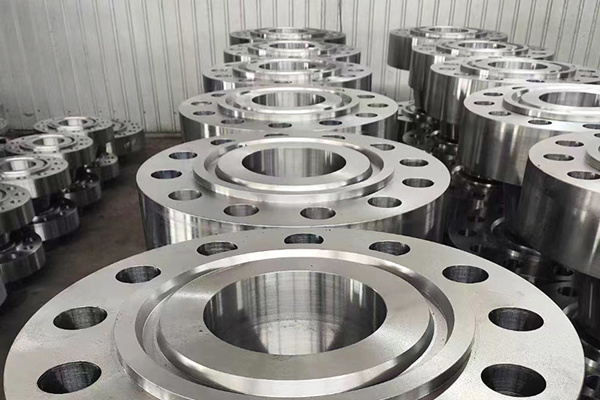
API 6A TYPE 6BX flanges and blinds in ANSI/API Spec 6A specification
2024-05-22

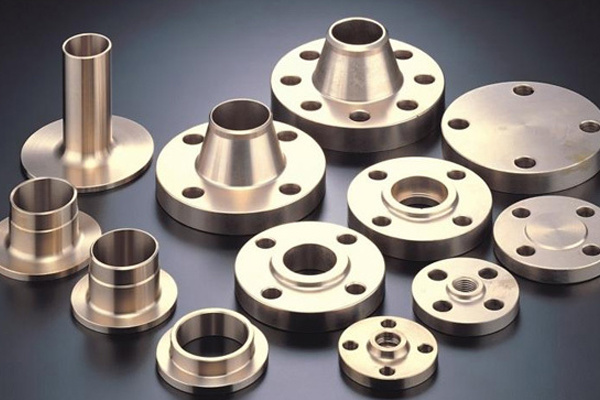
The Essential Guide to Carbon Steel Plate Flanges in Construction and Decoration
2024-05-22


Service E-mail
After-sales complaint E-mail:
WhatsApp / Tel / Wechat:
Address
Mengcun, Cangzhou City, Hebei Province
To inquire about our products, please leave your email to us and we will contact you within 24 hours.
Our Main Products


Cangzhou Jieyue Pipe Fittings Manufacturing Co., Ltd. | Poweredby:300.cn | Privacy Policy
City list