Cangzhou Jieyue Pipe Fittings Manufacturing Co., Ltd.



A Beginner's Guide to Understanding Different Pipe Joint Fitting Types
2026-04-26
A Beginner's Guide to Understanding Different Pipe Joint Fitting Types
Table of Contents
- 1. Overview of Pipe Joint Fittings
- 2. Importance of Choosing the Right Fitting
- 3. Types of Pipe Joint Fittings
- 3.1. Elbow Fittings
- 3.2. Tee Fittings
- 3.3. Couplings
- 3.4. Reducers
- 3.5. Caps and Plugs
- 3.6. Cross Fittings
- 3.7. Union Fittings
- 4. Common Materials Used in Pipe Fittings
- 5. Installation Tips for Pipe Joint Fittings
- 6. Maintenance and Troubleshooting
- 7. Frequently Asked Questions (FAQs)
1. Overview of Pipe Joint Fittings
Pipe joint fittings are essential components in plumbing and HVAC systems, designed to connect, terminate, or change the direction of pipes. Understanding the various types available ensures that you can effectively manage fluid movement within any system, whether for a simple household plumbing task or a more complex industrial application.
These fittings are crucial for maintaining system integrity, preventing leaks, and ensuring that fluids flow smoothly. As we navigate through the different types of these fittings, we will highlight their unique characteristics and optimal uses.
2. Importance of Choosing the Right Fitting
Selecting the appropriate pipe joint fitting is vital for several reasons:
- **Ensures Compatibility**: Fittings must match both the pipe material and size to maintain a secure connection.
- **Reduces Leaks**: Proper fittings help prevent leaks, which can lead to costly damage and waste.
- **Enhances System Efficiency**: The right fitting facilitates efficient flow, reducing the need for excessive pressure and energy consumption.
- **Improves Durability**: Quality fittings can withstand the pressure and temperature fluctuations, ensuring the longevity of your plumbing system.
Understanding the significance of each fitting type will empower you to make educated choices for your plumbing projects.
3. Types of Pipe Joint Fittings
In this section, we will discuss various types of pipe joint fittings, their functions, and applications.
3.1. Elbow Fittings
Elbow fittings allow for directional changes in piping, typically at angles of 90 or 45 degrees. These fittings are essential for navigating around obstacles in plumbing systems. Elbow fittings can be made from various materials, including PVC, copper, and steel.
**Applications**: Commonly used in both residential and commercial plumbing, elbow fittings are ideal for changing the direction of water flow in pipes.
3.2. Tee Fittings
Tee fittings are characterized by their T-shape, allowing multiple pipes to connect at a single junction. They can be utilized to split or combine flow in a pipeline.
**Applications**: Particularly useful in applications where water needs to be distributed to different areas, such as in irrigation systems or complex plumbing setups.
3.3. Couplings
Couplings are straightforward fittings that connect two sections of pipe. They can be categorized into regular and slip couplings, with the former providing a permanent connection and the latter allowing for easier adjustments.
**Applications**: Couplings are frequently used in both repair projects and new installations to extend pipe lengths.
3.4. Reducers
Reducers are fittings that enable the connection of pipes with differing diameters, ensuring a smooth transition from a larger to a smaller pipe. They can be straight or tapered, depending on application requirements.
**Applications**: Often used in water supply systems and industrial applications to manage flow rates effectively.
3.5. Caps and Plugs
Caps and plugs serve to close the ends of pipes, helping to prevent leaks and protect the interior from dust and debris. Caps cover the entire end, while plugs fit inside the pipe.
**Applications**: These fittings are commonly found in systems where future expansion may occur, allowing for easy access when needed.
3.6. Cross Fittings
Cross fittings allow the joining of four pipes at a single point, facilitating fluid movement in multiple directions.
**Applications**: Particularly useful in complex plumbing systems where multiple branches of pipes converge.
3.7. Union Fittings
Union fittings provide a detachable connection between two pipes, allowing for easy disassembly without cutting. They are crucial for maintenance and repairs.
**Applications**: Commonly used in situations where regular access to the piping system is required for maintenance.
4. Common Materials Used in Pipe Fittings
The choice of material for pipe fittings significantly impacts their performance and longevity. Here are some of the most common materials:
- **PVC (Polyvinyl Chloride)**: Lightweight, resistant to corrosion, and ideal for low-pressure applications.
- **Copper**: Durable and effective for hot and cold water systems; however, it can be expensive.
- **Steel**: Strong and robust, suitable for high-pressure applications but may corrode if not properly maintained.
- **Brass**: Resistant to corrosion, often used for plumbing fittings and fixtures.
- **Polyethylene**: Flexible and resistant to chemicals, commonly used for irrigation systems.
Choosing the right material depends on your specific application, budget, and environmental conditions.
5. Installation Tips for Pipe Joint Fittings
Proper installation of pipe joint fittings is crucial for ensuring a leak-proof and efficient plumbing system. Here are some essential tips:
- **Check Compatibility**: Ensure that the fitting matches the pipe material and size before installation.
- **Use the Right Tools**: Invest in quality tools designed for your fitting type to achieve a secure connection.
- **Apply Thread Sealant**: For threaded fittings, applying a thread sealant can help prevent leaks.
- **Tighten with Care**: Avoid over-tightening, as this can damage the fitting and lead to future leaks.
- **Inspect for Damage**: Before installation, inspect fittings for cracks or defects that could compromise the connection.
Following these tips can lead to a successful installation process and a reliable plumbing system.
6. Maintenance and Troubleshooting
Regular maintenance of pipe joint fittings is key to prolonging their lifespan and ensuring smooth operation. Here are some tips:
- **Regular Inspections**: Periodically check fittings for signs of wear, corrosion, or leaks.
- **Clean Residue**: Ensure that fittings are free from debris and residue that can impede water flow.
- **Re-tighten Connections**: Over time, fittings may loosen. Check and re-tighten connections as needed.
- **Identify and Replace Damaged Fittings**: If you find a faulty fitting, replace it immediately to prevent leaks.
In case of leaks or failures, the most effective troubleshooting step is to turn off the water supply and inspect the affected area for any visible damage.
7. Frequently Asked Questions (FAQs)
What are the most common types of pipe joint fittings?
The most common types include elbow fittings, tee fittings, couplings, reducers, caps, plugs, cross fittings, and union fittings.
How do I choose the right pipe fitting?
Consider the pipe material, size, application, and pressure requirements. Always ensure compatibility with your existing pipes.
Can I use any fitting with PVC pipes?
While many fittings can work with PVC, it's crucial to choose fittings specifically designed for PVC to ensure a secure and leak-free connection.
How do I fix a leaking pipe fitting?
First, turn off the water supply, then inspect the fitting for damage. If it’s just loose, re-tightening may suffice. Otherwise, replace the fitting.
Are plastic fittings as durable as metal fittings?
Plastic fittings, such as PVC, are durable and resistant to corrosion but may not withstand high-pressure applications as effectively as metal fittings.
Conclusion
Understanding different pipe joint fitting types is essential for anyone involved in plumbing or DIY projects. By knowing the various fittings available, their applications, and the materials used, you can make informed decisions that enhance the efficiency and longevity of your plumbing systems. Whether you are a beginner or have some experience, this guide serves as a valuable resource to navigate the complexities of pipe joint fittings. Make informed choices, apply the right installation techniques, and maintain your fittings properly to ensure a reliable plumbing system for years to come.
Key words:
RELATED INFORMATION
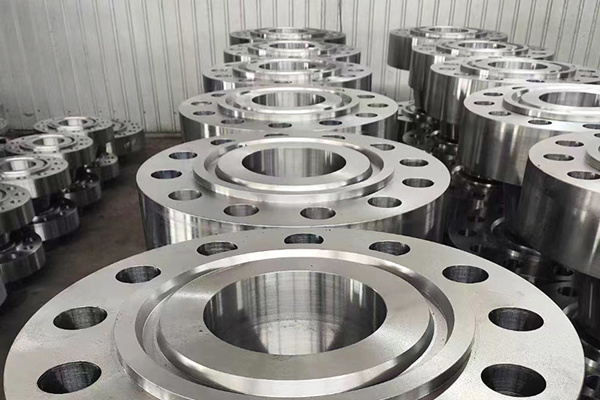
API 6A TYPE 6BX flanges and blinds in ANSI/API Spec 6A specification
2024-05-22

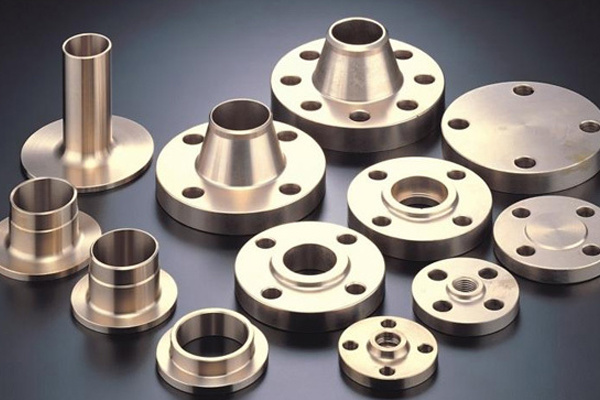
The Essential Guide to Carbon Steel Plate Flanges in Construction and Decoration
2024-05-22


Service E-mail
After-sales complaint E-mail:
WhatsApp / Tel / Wechat:
Address
Mengcun, Cangzhou City, Hebei Province
To inquire about our products, please leave your email to us and we will contact you within 24 hours.
Our Main Products


Cangzhou Jieyue Pipe Fittings Manufacturing Co., Ltd. | Poweredby:300.cn | Privacy Policy
City list