Cangzhou Jieyue Pipe Fittings Manufacturing Co., Ltd.



How to Find Reliable Suppliers for Pipe Joint Fittings: A Comprehensive Guide
2026-10-15
How to Find Reliable Suppliers for Pipe Joint Fittings
Table of Contents
1. Understanding Pipe Joint Fittings
2. The Importance of Choosing Reliable Suppliers
3. Key Factors to Consider When Selecting Suppliers
3.1 Quality Assurance and Certifications
3.2 Supplier Reputation and Experience
3.3 Range of Products Offered
3.4 Pricing and Payment Terms
4. Researching Potential Suppli
How to Find Reliable Suppliers for Pipe Joint Fittings
Table of Contents
1. Understanding Pipe Joint Fittings
2. The Importance of Choosing Reliable Suppliers
3. Key Factors to Consider When Selecting Suppliers
3.1 Quality Assurance and Certifications
3.2 Supplier Reputation and Experience
3.3 Range of Products Offered
3.4 Pricing and Payment Terms
4. Researching Potential Suppliers
4.1 Online Marketplaces and Directories
4.2 Industry Trade Shows and Expos
4.3 Networking and Referrals
5. Evaluating Supplier Credibility
5.1 Customer Reviews and Testimonials
5.2 Site Visits and Sample Testing
6. Establishing a Long-Term Relationship with Suppliers
7. Common Mistakes to Avoid When Selecting Suppliers
8. Frequently Asked Questions (FAQs)
8.1 What are pipe joint fittings and their applications?
8.2 How do I assess the quality of pipe joint fittings?
8.3 What are the typical payment terms for suppliers?
8.4 How important is supplier communication?
8.5 Can I negotiate prices with suppliers?
1. Understanding Pipe Joint Fittings
Pipe joint fittings play a critical role in connecting pipes within various applications, including plumbing, irrigation, and industrial systems. Understanding the different types of fittings, such as elbows, tees, couplings, and reducers, is essential for any buyer looking to source these components. Each type of fitting serves a specific function, and knowing what you need will guide your selection process.
2. The Importance of Choosing Reliable Suppliers
Reliability in suppliers is paramount when it comes to pipe joint fittings. Poor quality products can lead to leaks, system failures, and ultimately result in costly repairs. By engaging with trustworthy suppliers, you ensure that you receive high-quality fittings that meet industry standards and perform effectively in your applications.
3. Key Factors to Consider When Selecting Suppliers
Navigating the supplier landscape requires a keen understanding of several critical factors:
3.1 Quality Assurance and Certifications
It is essential to verify that suppliers adhere to recognized industry standards. Look for certifications such as ISO 9001, which indicates a commitment to quality management systems.
3.2 Supplier Reputation and Experience
Investigate the supplier’s history in the market. A well-established supplier with a positive track record can often provide superior products and services.
3.3 Range of Products Offered
Choose suppliers that offer a comprehensive range of pipe joint fittings. This not only allows for easier sourcing but provides the opportunity to consolidate purchases, potentially leading to cost savings.
3.4 Pricing and Payment Terms
Evaluate the pricing structure and payment terms offered by suppliers. Competitive pricing is important, but it should not come at the expense of quality. Ensure that the payment terms are favorable and align with your business practices.
4. Researching Potential Suppliers
Finding potential suppliers involves various strategies:
4.1 Online Marketplaces and Directories
Platforms like Alibaba, ThomasNet, and industry-specific directories can be valuable resources for discovering suppliers of pipe joint fittings. Utilize filters to narrow down suppliers based on your specific requirements.
4.2 Industry Trade Shows and Expos
Attending trade shows allows for face-to-face interactions with suppliers. These events provide a unique opportunity to see product samples, ask questions, and establish relationships with manufacturers.
4.3 Networking and Referrals
Leverage your professional network to obtain referrals. Colleagues within the industry can provide insights into reliable suppliers they’ve previously worked with, saving you time and effort in your search.
5. Evaluating Supplier Credibility
Once you have a list of potential suppliers, it’s vital to evaluate their credibility:
5.1 Customer Reviews and Testimonials
Dig into customer reviews and testimonials to gauge the experiences of other buyers. Look for patterns in feedback, particularly regarding product quality and customer service.
5.2 Site Visits and Sample Testing
If feasible, conduct site visits to the supplier’s facility. Observing their operations firsthand can provide valuable insights into their production processes. Additionally, request samples to assess product quality before making a larger commitment.
6. Establishing a Long-Term Relationship with Suppliers
Building a long-term relationship with suppliers can offer numerous advantages. Consistent collaboration often leads to better pricing, priority service, and improved product quality over time. Clear communication regarding expectations and requirements can help foster this relationship.
7. Common Mistakes to Avoid When Selecting Suppliers
When sourcing pipe joint fittings, avoid these common pitfalls:
- **Neglecting Research**: Failing to conduct thorough research can lead to regrettable partnerships.
- **Overlooking Quality**: Choosing the lowest price without considering quality can have dire consequences.
- **Ignoring Communication**: Poor communication can result in misunderstandings and product issues.
- **Rushing Decisions**: Take your time to evaluate options; hasty decisions often lead to unfavorable outcomes.
8. Frequently Asked Questions (FAQs)
8.1 What are pipe joint fittings and their applications?
Pipe joint fittings are components used to connect sections of pipe. They are critical in plumbing, heating, and cooling systems, as well as various industrial applications.
8.2 How do I assess the quality of pipe joint fittings?
Assess quality by examining the materials used, checking certifications, and requesting samples from suppliers to evaluate their durability and performance.
8.3 What are the typical payment terms for suppliers?
Payment terms can vary significantly. Common arrangements include net 30, net 60, or upfront payments, depending on the supplier's policies and the buyer's relationship with them.
8.4 How important is supplier communication?
Effective communication is crucial. It ensures that both parties are aligned on expectations, timelines, and any potential issues that may arise during the procurement process.
8.5 Can I negotiate prices with suppliers?
Yes, negotiating prices is common practice, especially for bulk orders. Suppliers may be willing to offer discounts based on order size or long-term agreements.
Conclusion
Finding reliable suppliers for pipe joint fittings is a multifaceted process that involves thorough research, careful evaluation, and strategic relationship-building. By focusing on key factors such as quality assurance, supplier reputation, product range, and effective communication, you can enhance your chances of securing a dependable supplier. Avoid common pitfalls and maintain an open dialogue with your selected suppliers to foster long-lasting partnerships that benefit your business in the long run. Armed with the insights provided in this guide, you are now better equipped to navigate the supplier landscape and make informed decisions that will support your operational needs.
Key words:
RELATED INFORMATION


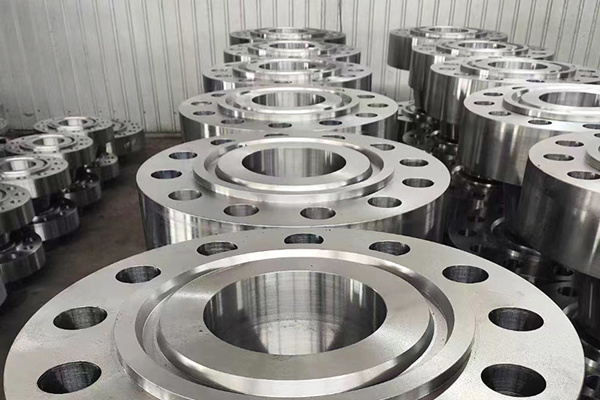
API 6A TYPE 6BX flanges and blinds in ANSI/API Spec 6A specification
API 6A TYPE 6BX Flanges and blinds are a wellhead connection assembly defined in ANSI/API Spec 6A for connecting piping systems and valve equipment between oil and gas wellheads.
2024-05-22

Service E-mail
After-sales complaint E-mail:
WhatsApp / Tel / Wechat:
Address
Mengcun, Cangzhou City, Hebei Province
To inquire about our products, please leave your email to us and we will contact you within 24 hours.
Our Main Products


Cangzhou Jieyue Pipe Fittings Manufacturing Co., Ltd. | Poweredby:300.cn | Privacy Policy
City list
Business License