Cangzhou Jieyue Pipe Fittings Manufacturing Co., Ltd.



Understanding Pipe Weld Flanges: Essential Components in Construction and Decoration
2026-10-14
In the realm of construction and decorative materials, pipe weld flanges serve as essential components that facilitate the connection and secure attachment of pipes. Understanding pipe weld flanges is crucial for professionals in the industry, as they play a pivotal role in ensuring the integrity and efficiency of piping systems.
A pipe weld flange is a flat piece of metal with a hole in the cente
In the realm of construction and decorative materials, pipe weld flanges serve as essential components that facilitate the connection and secure attachment of pipes. Understanding pipe weld flanges is crucial for professionals in the industry, as they play a pivotal role in ensuring the integrity and efficiency of piping systems.
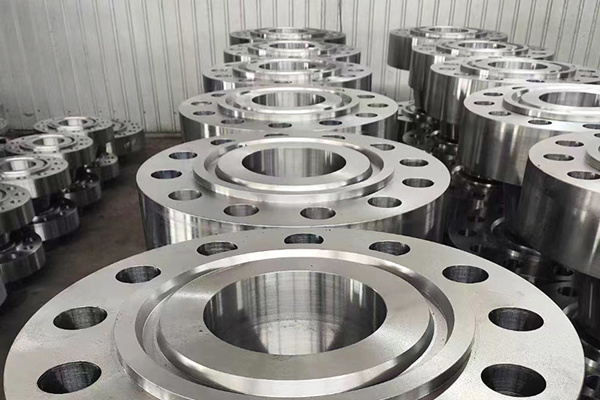
A pipe weld flange is a flat piece of metal with a hole in the center, designed to be attached to the end of a pipe. These flanges allow for easy connection to other pipes, making them integral to many plumbing and piping systems. The welding process ensures a strong and durable bond, which is essential for preventing leaks and maintaining pressure within the system.
There are several types of pipe weld flanges, each tailored for specific applications and requirements. Some common types include:
1. **Slip-On Flanges**: These flanges are designed to slide over the pipe before being welded in place. They are easy to align and are often used in low-pressure applications due to their straightforward design.
2. **Weld Neck Flanges**: Featuring a tapered hub that allows for a strong, reinforced joint, weld neck flanges are ideal for high-pressure and high-temperature applications. They are typically used in critical piping systems where strength and reliability are paramount.
3. **Blind Flanges**: These are solid flanges used to close off the end of a pipe or to create a sealed section of a piping system. They are crucial in maintenance and operational scenarios where certain parts of the system need to be isolated.
4. **Socket Weld Flanges**: Designed to fit into the pipe, socket weld flanges are welded at the outside diameter, providing a strong connection for smaller diameter piping systems. They are often used in high-pressure applications.
5. **Lap Joint Flanges**: These flanges are used with a stub end and are ideal for situations where frequent dismantling is required. They allow for easy alignment and are commonly used in sanitary applications.
When selecting pipe weld flanges, professionals should consider factors such as the material of the flange, the pressure class, the size, and any environmental conditions that could affect performance. Proper installation and welding techniques are also vital to ensure that the flanges provide the necessary strength and durability.
In conclusion, pipe weld flanges are indispensable in the construction and decoration materials industry. Their variety of types and applications highlights the need for a thorough understanding of their properties and best practices. By mastering the intricacies of pipe weld flanges, professionals can enhance their projects' quality and reliability, ensuring successful outcomes in their construction endeavors.
A pipe weld flange is a flat piece of metal with a hole in the center, designed to be attached to the end of a pipe. These flanges allow for easy connection to other pipes, making them integral to many plumbing and piping systems. The welding process ensures a strong and durable bond, which is essential for preventing leaks and maintaining pressure within the system.
There are several types of pipe weld flanges, each tailored for specific applications and requirements. Some common types include:
1. **Slip-On Flanges**: These flanges are designed to slide over the pipe before being welded in place. They are easy to align and are often used in low-pressure applications due to their straightforward design.
2. **Weld Neck Flanges**: Featuring a tapered hub that allows for a strong, reinforced joint, weld neck flanges are ideal for high-pressure and high-temperature applications. They are typically used in critical piping systems where strength and reliability are paramount.
3. **Blind Flanges**: These are solid flanges used to close off the end of a pipe or to create a sealed section of a piping system. They are crucial in maintenance and operational scenarios where certain parts of the system need to be isolated.
4. **Socket Weld Flanges**: Designed to fit into the pipe, socket weld flanges are welded at the outside diameter, providing a strong connection for smaller diameter piping systems. They are often used in high-pressure applications.
5. **Lap Joint Flanges**: These flanges are used with a stub end and are ideal for situations where frequent dismantling is required. They allow for easy alignment and are commonly used in sanitary applications.
When selecting pipe weld flanges, professionals should consider factors such as the material of the flange, the pressure class, the size, and any environmental conditions that could affect performance. Proper installation and welding techniques are also vital to ensure that the flanges provide the necessary strength and durability.
In conclusion, pipe weld flanges are indispensable in the construction and decoration materials industry. Their variety of types and applications highlights the need for a thorough understanding of their properties and best practices. By mastering the intricacies of pipe weld flanges, professionals can enhance their projects' quality and reliability, ensuring successful outcomes in their construction endeavors.
Key words:
RELATED INFORMATION


API 6A TYPE 6BX flanges and blinds in ANSI/API Spec 6A specification
API 6A TYPE 6BX Flanges and blinds are a wellhead connection assembly defined in ANSI/API Spec 6A for connecting piping systems and valve equipment between oil and gas wellheads.
2024-05-22


Service E-mail
After-sales complaint E-mail:
WhatsApp / Tel / Wechat:
Address
Mengcun, Cangzhou City, Hebei Province
To inquire about our products, please leave your email to us and we will contact you within 24 hours.
Our Main Products


Cangzhou Jieyue Pipe Fittings Manufacturing Co., Ltd. | Poweredby:300.cn | Privacy Policy
City list
Business License