Understanding Steel Pipe Elbows: Essential Components for Efficient Piping Systems
2026-07-22
Steel pipe elbows are essential components in various piping systems, particularly in the construction and decoration materials industry. These fittings are designed to change the direction of piping, allowing for fluid and gas to flow efficiently through the system. Understanding the characteristics and applications of steel pipe elbows can significantly enhance project efficiency and performance
Steel pipe elbows are essential components in various piping systems, particularly in the construction and decoration materials industry. These fittings are designed to change the direction of piping, allowing for fluid and gas to flow efficiently through the system. Understanding the characteristics and applications of steel pipe elbows can significantly enhance project efficiency and performance.
One of the primary features of steel pipe elbows is their ability to facilitate fluid flow without causing excessive turbulence. This is crucial in maintaining the pressure and velocity of the transported media. Properly designed elbows ensure minimal loss of pressure, which is essential for efficient system operation.
There are various types of steel pipe elbows available, each designed for specific applications. The two most common types are 90-degree and 45-degree elbows. A 90-degree elbow is typically used for sharp turns in a piping system, while a 45-degree elbow is ideal for less abrupt changes in direction. Additionally, steel pipe elbows can be categorized as long radius or short radius, depending on the curvature of the elbow. Long radius elbows are suitable for applications requiring smooth transitions, while short radius elbows are used in tighter spaces.
In terms of material, steel is favored for its strength, durability, and resistance to corrosion. This makes steel pipe elbows suitable for a wide range of applications, including water supply, sewage systems, oil and gas pipelines, and HVAC systems. When selecting steel pipe elbows, it is crucial to consider factors such as the type of media being transported, operating temperature, and pressure requirements.
Installation of steel pipe elbows also requires careful consideration. Proper alignment and support are vital to prevent stress on the fittings, which can lead to leaks or failures in the system. Professionals should ensure that all connections are secure and that the elbows are compatible with the pipes they are being connected to.
In summary, steel pipe elbows are indispensable in modern piping systems, enabling efficient fluid and gas transport. Their various types and materials cater to diverse applications, making them a critical consideration in the design and implementation of construction projects. Understanding their functionality and specifications can greatly assist professionals in selecting the right fittings for their needs, ultimately leading to improved system performance and reliability.
One of the primary features of steel pipe elbows is their ability to facilitate fluid flow without causing excessive turbulence. This is crucial in maintaining the pressure and velocity of the transported media. Properly designed elbows ensure minimal loss of pressure, which is essential for efficient system operation.
There are various types of steel pipe elbows available, each designed for specific applications. The two most common types are 90-degree and 45-degree elbows. A 90-degree elbow is typically used for sharp turns in a piping system, while a 45-degree elbow is ideal for less abrupt changes in direction. Additionally, steel pipe elbows can be categorized as long radius or short radius, depending on the curvature of the elbow. Long radius elbows are suitable for applications requiring smooth transitions, while short radius elbows are used in tighter spaces.
In terms of material, steel is favored for its strength, durability, and resistance to corrosion. This makes steel pipe elbows suitable for a wide range of applications, including water supply, sewage systems, oil and gas pipelines, and HVAC systems. When selecting steel pipe elbows, it is crucial to consider factors such as the type of media being transported, operating temperature, and pressure requirements.
Installation of steel pipe elbows also requires careful consideration. Proper alignment and support are vital to prevent stress on the fittings, which can lead to leaks or failures in the system. Professionals should ensure that all connections are secure and that the elbows are compatible with the pipes they are being connected to.
In summary, steel pipe elbows are indispensable in modern piping systems, enabling efficient fluid and gas transport. Their various types and materials cater to diverse applications, making them a critical consideration in the design and implementation of construction projects. Understanding their functionality and specifications can greatly assist professionals in selecting the right fittings for their needs, ultimately leading to improved system performance and reliability.
Key words:
RELATED INFORMATION
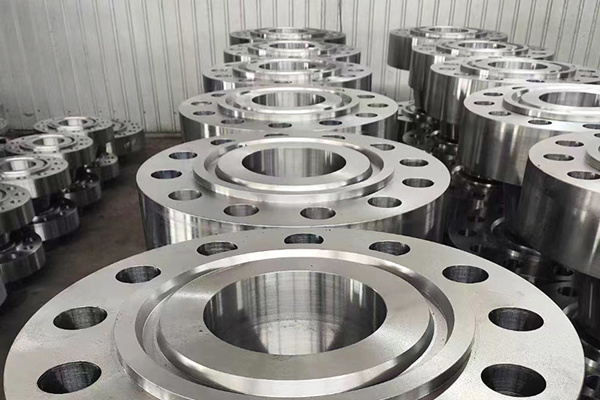
API 6A TYPE 6BX flanges and blinds in ANSI/API Spec 6A specification
API 6A TYPE 6BX Flanges and blinds are a wellhead connection assembly defined in ANSI/API Spec 6A for connecting piping systems and valve equipment between oil and gas wellheads.
2024-05-22
The Essential Guide to Carbon Steel Plate Flanges in Construction and Decoration
Carbon steel plate flanges are critical components in the construction and decoration materials sector, particularly in piping systems.
2024-05-22