Cangzhou Jieyue Pipe Fittings Manufacturing Co., Ltd.



Comprehensive Guide on Maintaining Weld Neck Pipe Flanges for Optimal Performance
2026-07-21
How to Maintain Weld Neck Pipe Flanges for Optimal Performance
Table of Contents
- Introduction to Weld Neck Pipe Flanges
- Understanding Weld Neck Pipe Flanges
- Importance of Maintenance for Weld Neck Flanges
- Routine Inspection Practices
- Cleaning Methods for Weld Neck Flanges
- Corrosion Prevention Techniques
- Repair Techniques for Damaged Flanges
- Best Practices for Long-Term Performance
- Frequently Asked Questions
- Conclusion
Introduction to Weld Neck Pipe Flanges
Weld neck pipe flanges are critical components in piping systems, often used to connect pipes, valves, and other equipment. Their design allows for a smooth flow of fluids and provides enhanced strength due to their continuous structure. However, to ensure these flanges perform optimally, regular maintenance is essential. This article explores the best practices for maintaining weld neck pipe flanges, ensuring they remain in excellent condition throughout their operational life.
Understanding Weld Neck Pipe Flanges
Weld neck flanges are characterized by a long neck that gradually tapers down to the pipe, facilitating a smooth connection. This design minimizes stress concentrations and is particularly effective in high-pressure environments. Weld neck flanges are typically made from materials like carbon steel, stainless steel, and alloy steel, allowing them to withstand various environmental challenges.
Key Features of Weld Neck Pipe Flanges
- **Robust Construction**: Their design allows for a stronger joint, reducing the risk of leakage.
- **Versatile Applications**: Suitable for high-pressure and temperature applications, making them ubiquitous in industries like oil and gas, chemical processing, and water treatment.
- **Customizable**: Available in various sizes and materials, they can be tailored to meet specific operational needs.
Importance of Maintenance for Weld Neck Flanges
Regular maintenance of weld neck pipe flanges is crucial for several reasons. First and foremost, it ensures the integrity of the piping system, preventing leaks and failures that can lead to costly downtime and repairs. Additionally, proper maintenance extends the lifespan of the flanges, enhancing their overall performance. The following factors highlight the significance of ongoing maintenance:
Enhancing Safety
In industrial settings, safety is paramount. Regular maintenance minimizes the risk of accidents caused by flange failures, protecting personnel and equipment.
Cost Efficiency
By preventing serious damage through routine maintenance, organizations can save significantly on repair costs and avoid unplanned shutdowns.
Regulatory Compliance
Many industries are subject to strict regulations regarding equipment maintenance. Keeping weld neck flanges in optimal condition helps ensure compliance with industry standards.
Routine Inspection Practices
Implementing a systematic inspection routine is vital for maintaining weld neck pipe flanges. Inspections should focus on identifying early signs of wear and tear, corrosion, or other forms of damage.
Visual Inspection
Conducting a thorough visual inspection is the first step. Look for signs of corrosion, cracking, or deformation. Pay close attention to the weld joint, as this is often the area most susceptible to damage.
Ultrasonic Testing
Ultrasonic testing is a non-destructive method that can help assess the thickness of the flange material and detect internal flaws. This technique is particularly effective for detecting hidden issues.
Pressure Testing
Performing pressure tests can help identify leaks and ensure that the flange can withstand operational pressures without failing.
Cleaning Methods for Weld Neck Flanges
Keeping weld neck flanges clean is essential for their longevity and performance. Contaminants can lead to corrosion and other issues.
Recommended Cleaning Techniques
- **Chemical Cleaning**: Use appropriate cleaning agents that can dissolve rust and scale without damaging the flange material. Always follow the manufacturer's recommendations for cleaning solutions.
- **Mechanical Cleaning**: For stubborn deposits, mechanical cleaning methods such as wire brushing or sandblasting can be effective. However, care must be taken to avoid scratching the flange surface.
- **Pressure Washing**: In cases where debris accumulation is significant, pressure washing can efficiently remove dirt and contaminants from the flange.
Corrosion Prevention Techniques
Corrosion is one of the greatest threats to weld neck pipe flanges. Implementing the right preventive measures can significantly extend the service life of these components.
Coatings and Linings
Applying protective coatings or linings can create a barrier against corrosive elements. Epoxy-based coatings are particularly effective in harsh environments.
Environmental Control
Controlling the environmental factors around the flanges can mitigate corrosion risks. For example, maintaining appropriate humidity levels and reducing exposure to corrosive substances can help.
Regular Maintenance Schedules
Establishing and adhering to regular maintenance schedules ensures that corrosion-prevention measures are consistently applied and monitored.
Repair Techniques for Damaged Flanges
Despite best efforts, flanges may still incur damage over time. Knowing how to repair or replace them is vital for maintaining system integrity.
Welding Repairs
For minor cracks or fractures, welding can be an effective repair method. However, it is essential to ensure that the welding process maintains the flange's structural integrity.
Replacement of Flanges
In cases of significant damage, replacing the flange may be the best option. Always select a replacement flange that meets the same specifications as the original.
Best Practices for Long-Term Performance
To ensure that weld neck pipe flanges maintain their optimal performance over time, we recommend adopting the following best practices:
Documentation and Record-Keeping
Keep detailed records of inspections, maintenance activities, and repairs. This documentation can be invaluable for tracking the flange's history and planning future maintenance.
Training and Awareness
Ensure that personnel involved in maintenance are trained in best practices and aware of the importance of flange integrity. This training can help prevent oversight during inspections.
Utilization of Quality Materials
Always use high-quality materials for flanges to ensure durability and resistance to environmental factors. Investing in superior materials can pay off in terms of longevity and performance.
Frequently Asked Questions
1. What are the common materials used for weld neck pipe flanges?
Weld neck pipe flanges are commonly made from carbon steel, stainless steel, and alloy steel, depending on the application and environmental conditions.
2. How often should weld neck pipe flanges be inspected?
It is advisable to inspect weld neck flanges at least once a year, or more frequently if they are subjected to high pressures or aggressive environments.
3. What signs indicate a weld neck flange needs maintenance?
Signs of wear, such as visible corrosion, cracks, or leaks, indicate that a weld neck flange requires immediate attention.
4. Can weld neck flanges be repaired?
Yes, weld neck flanges can be repaired through welding or by replacing damaged components, depending on the severity of the damage.
5. How can I prevent corrosion on my weld neck flanges?
Prevent corrosion by applying protective coatings, controlling environmental factors, and conducting regular maintenance checks.
Conclusion
Maintaining weld neck pipe flanges is crucial for ensuring their optimal performance and longevity. By adopting a proactive maintenance approach, implementing regular inspections, and following best practices for cleaning, corrosion prevention, and repairs, organizations can enhance the safety and efficiency of their piping systems. Remember, a well-maintained flange not only prevents costly failures but also contributes to the overall success of industrial operations.
Key words:
RELATED INFORMATION
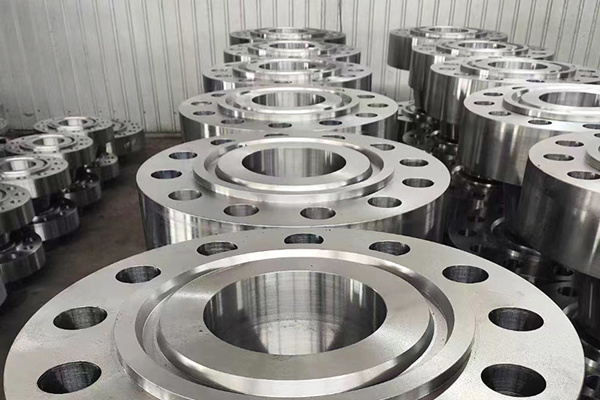
API 6A TYPE 6BX flanges and blinds in ANSI/API Spec 6A specification
2024-05-22
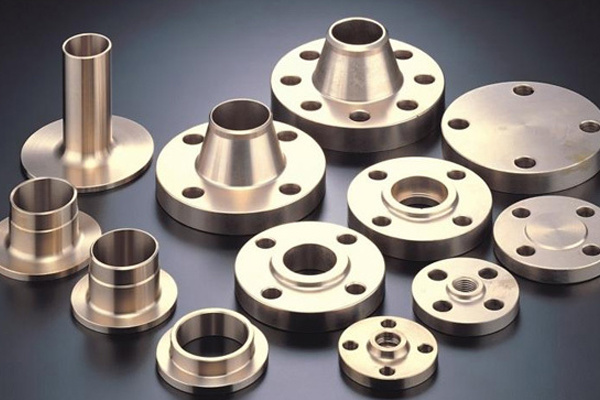
The Essential Guide to Carbon Steel Plate Flanges in Construction and Decoration
2024-05-22



Service E-mail
After-sales complaint E-mail:
WhatsApp / Tel / Wechat:
Address
Mengcun, Cangzhou City, Hebei Province
To inquire about our products, please leave your email to us and we will contact you within 24 hours.
Our Main Products


Cangzhou Jieyue Pipe Fittings Manufacturing Co., Ltd. | Poweredby:300.cn | Privacy Policy
City list