Cangzhou Jieyue Pipe Fittings Manufacturing Co., Ltd.



Understanding Pipe Elbow Joints: Key Insights for the Construction and Decoration Materials Industry
2026-07-20
There are several types of elbow joints, with the two most common being 90-degree and 45-degree elbows. The 90-degree elbow is typically used to create a sharp turn in the pipeline, while the 45-degree elbow is preferred for gradual changes in direction. Choosing the right elbow joint is essential for ensuring optimal flow and minimizing pressure drops. Additionally, professionals should be aware of the different materials available for elbow joints, including PVC, steel, and copper, each of which has its own benefits and suitability depending on the specific application.
When selecting pipe elbow joints, it's crucial to consider the size and diameter of the pipes involved. The fitting size must match the pipe diameter to prevent leaks and ensure a secure connection. Moreover, the wall thickness of the elbow joint should also be compatible with that of the pipes to maintain structural integrity under pressure.
Installation techniques play a vital role in the performance of pipe elbow joints. Professionals should ensure proper alignment and fitting during installation, as misalignment can lead to premature failure and costly repairs. Utilizing appropriate sealing methods, such as welding or adhesive bonding, can also enhance the durability of the joint.
In addition to installation practices, regular inspections and maintenance of pipe elbow joints are essential for long-term performance. Inspecting for signs of wear, corrosion, or leaks can help in identifying potential issues before they escalate into major problems. Implementing routine maintenance schedules can greatly extend the lifespan of the piping system and prevent costly downtime.
Lastly, staying updated on industry standards and regulations related to pipe elbow joints is vital. Compliance with these standards not only ensures safety but also enhances the reliability of the piping system. Networking with industry professionals and attending workshops can provide valuable insights into best practices and emerging trends in the use of pipe elbow joints.
In summary, pipe elbow joints are integral to the efficiency of piping systems in the construction and decoration materials industry. By understanding the types, applications, installation techniques, and maintenance practices, professionals can optimize the performance of these crucial components and ensure the success of their projects.
Key words:
RELATED INFORMATION
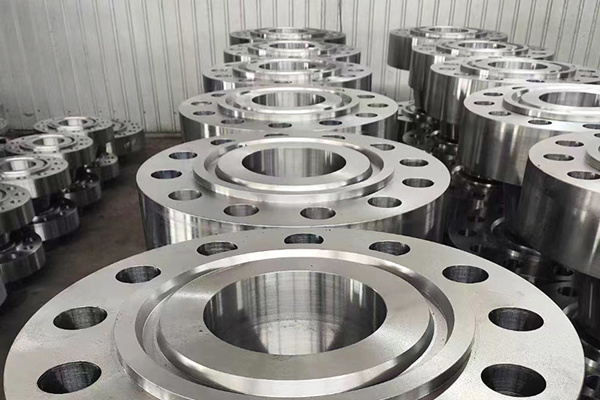
API 6A TYPE 6BX flanges and blinds in ANSI/API Spec 6A specification
2024-05-22
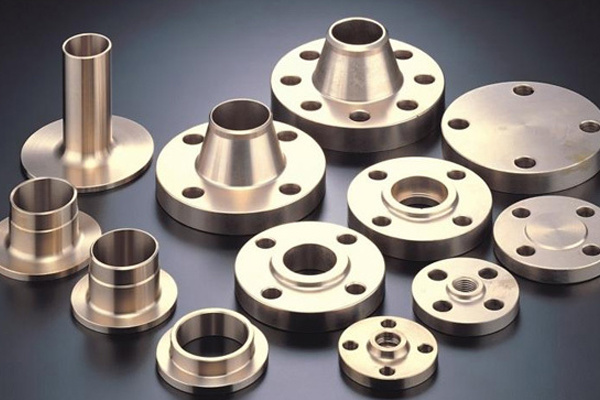
The Essential Guide to Carbon Steel Plate Flanges in Construction and Decoration
2024-05-22



Service E-mail
After-sales complaint E-mail:
WhatsApp / Tel / Wechat:
Address
Mengcun, Cangzhou City, Hebei Province
To inquire about our products, please leave your email to us and we will contact you within 24 hours.
Our Main Products


Cangzhou Jieyue Pipe Fittings Manufacturing Co., Ltd. | Poweredby:300.cn | Privacy Policy
City list