Understanding Steel Pipe Elbows: Essential Components in Construction and Decoration
2026-07-06
Steel pipe elbows are essential fittings widely used in piping systems across numerous industries, particularly in construction and decorative applications. These components allow for directional changes in the flow of liquids and gases, facilitating smooth transitions and maintaining structural integrity. Understanding the significance of steel pipe elbows is key for professionals looking to opti
Steel pipe elbows are essential fittings widely used in piping systems across numerous industries, particularly in construction and decorative applications. These components allow for directional changes in the flow of liquids and gases, facilitating smooth transitions and maintaining structural integrity. Understanding the significance of steel pipe elbows is key for professionals looking to optimize their piping systems.
One of the primary functions of steel pipe elbows is to change the direction of a pipeline, typically at angles of 45 or 90 degrees. This capability is essential in both residential and commercial projects, as it enables efficient routing of pipes in tight spaces, reducing the need for multiple fittings and thus minimizing potential leaks. Additionally, steel pipe elbows provide a robust solution for various applications, from transporting water and sewage to carrying gases and chemicals.
There are various types of steel pipe elbows, with the most common being long radius (LR) and short radius (SR) elbows. Long radius elbows are preferred in situations where a gradual change in direction is necessary, helping to reduce turbulence and pressure loss in the system. Conversely, short radius elbows are suitable for applications with limited space, where a quicker turn is required. Selecting the appropriate elbow type is crucial in ensuring optimal flow dynamics and overall system efficiency.
Another significant advantage of steel pipe elbows is their durability. Steel is known for its strength and resistance to corrosion, making steel pipe elbows ideal for both indoor and outdoor applications. They can withstand extreme temperatures and pressures, ensuring longevity even in harsh environments. This durability is particularly beneficial in construction projects where reliability is paramount.
When it comes to installation, steel pipe elbows are designed for easy integration into existing piping systems. They can be welded or threaded onto the pipes, providing flexibility for various installation techniques. Proper installation not only ensures that the piping system functions efficiently but also reduces the risk of leaks and maintenance issues in the long run.
In conclusion, steel pipe elbows are indispensable components in the construction and decoration materials industry. Their ability to facilitate directional changes in pipes while providing durability and ease of installation makes them a preferred choice for many professionals. Understanding the different types and benefits of steel pipe elbows can help ensure that your projects maintain high standards of efficiency and safety. As you navigate the complexities of piping systems, consider the vital role that these fittings play in achieving optimal results.
One of the primary functions of steel pipe elbows is to change the direction of a pipeline, typically at angles of 45 or 90 degrees. This capability is essential in both residential and commercial projects, as it enables efficient routing of pipes in tight spaces, reducing the need for multiple fittings and thus minimizing potential leaks. Additionally, steel pipe elbows provide a robust solution for various applications, from transporting water and sewage to carrying gases and chemicals.
There are various types of steel pipe elbows, with the most common being long radius (LR) and short radius (SR) elbows. Long radius elbows are preferred in situations where a gradual change in direction is necessary, helping to reduce turbulence and pressure loss in the system. Conversely, short radius elbows are suitable for applications with limited space, where a quicker turn is required. Selecting the appropriate elbow type is crucial in ensuring optimal flow dynamics and overall system efficiency.
Another significant advantage of steel pipe elbows is their durability. Steel is known for its strength and resistance to corrosion, making steel pipe elbows ideal for both indoor and outdoor applications. They can withstand extreme temperatures and pressures, ensuring longevity even in harsh environments. This durability is particularly beneficial in construction projects where reliability is paramount.
When it comes to installation, steel pipe elbows are designed for easy integration into existing piping systems. They can be welded or threaded onto the pipes, providing flexibility for various installation techniques. Proper installation not only ensures that the piping system functions efficiently but also reduces the risk of leaks and maintenance issues in the long run.
In conclusion, steel pipe elbows are indispensable components in the construction and decoration materials industry. Their ability to facilitate directional changes in pipes while providing durability and ease of installation makes them a preferred choice for many professionals. Understanding the different types and benefits of steel pipe elbows can help ensure that your projects maintain high standards of efficiency and safety. As you navigate the complexities of piping systems, consider the vital role that these fittings play in achieving optimal results.
Key words:
RELATED INFORMATION
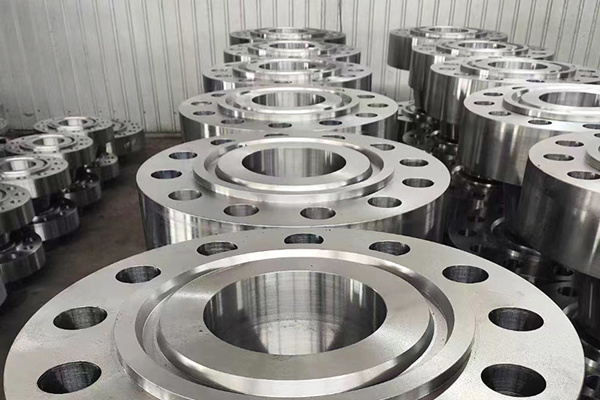
API 6A TYPE 6BX flanges and blinds in ANSI/API Spec 6A specification
API 6A TYPE 6BX Flanges and blinds are a wellhead connection assembly defined in ANSI/API Spec 6A for connecting piping systems and valve equipment between oil and gas wellheads.
2024-05-22
The Essential Guide to Carbon Steel Plate Flanges in Construction and Decoration
Carbon steel plate flanges are critical components in the construction and decoration materials sector, particularly in piping systems.
2024-05-22