Cangzhou Jieyue Pipe Fittings Manufacturing Co., Ltd.



Design Considerations When Using Weld Neck Pipe Flanges for Optimal Performance
2026-07-05
Introduction to Weld Neck Pipe Flanges
Weld neck pipe flanges are critical components in piping systems, providing strong connections between pipes, valves, and other equipment. Their design allows for seamless integration and enhanced structural integrity, making them a preferred choice in various industries, including oil and gas, chemical processing, and construction. This article will delve into the important design considerations when using weld neck pipe flanges, offering valuable insights to engineers, designers, and maintenance personnel.
Understanding Weld Neck Pipe Flanges
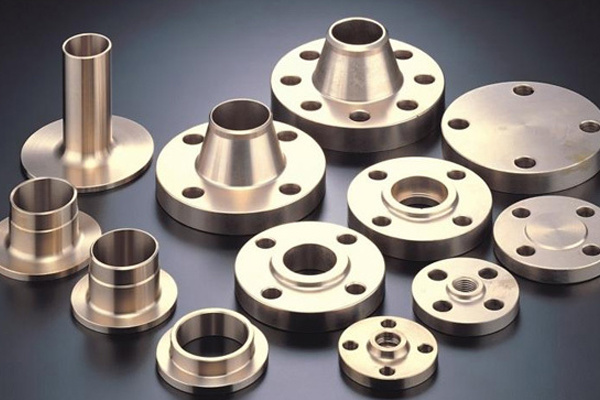
Weld neck flanges feature a long tapered neck that allows for a smooth transition between the flange and the pipe. This design minimizes stress concentrations and provides a robust connection, ideal for high-pressure and high-temperature applications.
Key Features and Benefits
- **Enhanced Strength**: The gradual taper of the neck distributes stress evenly, reducing the risk of fatigue failure.
- **Flexible Installation**: Weld neck flanges can accommodate thermal expansion and contraction, making them suitable for varying operating conditions.
- **Versatile Applications**: Commonly used in industries ranging from petrochemical to water treatment, these flanges can handle a variety of media, including corrosive substances.
Material Selection for Weld Neck Flanges
The material chosen for weld neck pipe flanges is crucial to their performance and longevity. Several factors should be considered when selecting materials, including the operating environment, pressure and temperature requirements, and compatibility with the transported media.
Common Materials Used
- **Carbon Steel**: Often used for its strength and cost-effectiveness, carbon steel flanges are suitable for moderate temperature and pressure applications.
- **Stainless Steel**: Ideal for corrosive environments, stainless steel flanges offer excellent resistance to oxidation and pitting.
- **Alloy Steel**: For high-strength applications, alloy steels provide enhanced mechanical properties and resistance to wear.
- **Plastic and Composite Materials**: In specific applications, non-metallic flanges provide excellent chemical resistance and lightweight options.
Design Considerations for Weld Neck Pipe Flanges
When designing systems that incorporate weld neck pipe flanges, various considerations must be taken into account to ensure optimal performance.
Pressure and Temperature Ratings
Understanding the pressure and temperature ratings for flanges is essential. Each flange has specified limits dictated by the material and design standards. Adhering to these ratings prevents catastrophic failures and ensures safety.
ASME Standards Compliance
The American Society of Mechanical Engineers (ASME) provides guidelines on pressure-temperature ratings for flanges. Designs must comply with relevant ASME standards to ensure safety and reliability.
Weld Design and Preparation
The welding process is pivotal in the performance of weld neck pipe flanges. Proper weld design and surface preparation can significantly influence the quality of the connection.
Types of Welds
- **Full Penetration Welds**: These provide the strongest connections and are recommended for high-pressure applications.
- **Partial Penetration Welds**: Suitable for lower pressure applications, they require careful consideration of the design to prevent failure.
Surface Preparation Techniques
- **Cleaning**: Removal of contaminants such as oil, rust, and dirt is essential for achieving a strong bond.
- **Beveling**: Proper beveling of the flange edge enhances weld penetration and strength.
Compatibility with Piping Systems
Weld neck flanges must be compatible with the piping materials and sizes used in a system. It’s crucial to account for the following:
Nominal Pipe Size (NPS)
Ensure that the flange’s size corresponds to the NPS of the pipe to prevent issues in installation and operation.
Material Compatibility
When flanges are made from different materials than connected pipes, galvanic corrosion may occur. Selecting compatible materials is essential to avoid premature failure.
Installation Best Practices
Proper installation techniques are vital for the success of weld neck pipe flanges.
Preparation for Installation
Before installation, ensure that the flange faces are clean and free from any defects. Measure the alignment carefully to avoid undue stress on the assembly.
Welding Techniques
Using appropriate welding techniques is crucial. Employ techniques such as:
TIG Welding
Tungsten Inert Gas (TIG) welding provides excellent control and is preferred for thin-walled flanges.
MIG Welding
Metal Inert Gas (MIG) welding is faster and suitable for thicker flanges but requires more careful control to avoid defects.
Maintenance of Weld Neck Pipe Flanges
Regular maintenance is essential for ensuring the longevity and performance of weld neck pipe flanges.
Inspection Procedures
Perform regular inspections to identify any signs of wear, corrosion, or other anomalies. Non-destructive testing methods such as ultrasonic testing can help evaluate the integrity of welds.
Cleaning and Upkeep
Routine cleaning of flanges can prevent corrosion. The use of appropriate cleaning agents that do not compromise the flange material is essential.
Common Applications of Weld Neck Pipe Flanges
Weld neck pipe flanges find use in various applications across multiple industries.
Oil and Gas Industry
In the oil and gas sector, weld neck flanges facilitate the transport of high-pressure fluids while ensuring safety and reliability.
Chemical Processing Plants
Due to their robust nature, these flanges are commonly used in chemical plants, where they must withstand aggressive materials.
Water and Wastewater Treatment
In water treatment facilities, weld neck flanges ensure secure connections in systems handling varying pressures and compositions.
FAQs About Weld Neck Pipe Flanges
1. What are the advantages of using weld neck pipe flanges over other flange types?
Weld neck pipe flanges offer superior strength, flexibility, and resistance to stress concentrations, making them ideal for high-pressure applications.
2. How do I choose the right size of a weld neck pipe flange?
Selecting the right size involves matching the flange size to the nominal pipe size (NPS) and ensuring compatibility with the piping system.
3. Are weld neck pipe flanges suitable for cryogenic applications?
Yes, weld neck flanges can be designed and manufactured using materials that perform well in cryogenic conditions, ensuring safety and reliability.
4. What maintenance practices should be followed for weld neck flanges?
Regular inspections, cleaning, and addressing any signs of wear or corrosion are crucial maintenance practices for weld neck flanges.
5. Can weld neck flanges be reused?
Weld neck flanges can be reused if they are inspected and show no signs of damage or wear. However, the welds must be adequately prepared for reinstallation.
Conclusion
In conclusion, understanding the design considerations for weld neck pipe flanges is essential for ensuring optimal performance in various applications. From selecting the right materials to executing proper installation and maintenance practices, attention to detail in these areas will enhance the reliability and longevity of piping systems. By adhering to industry standards and best practices, we can maximize the effectiveness of weld neck pipe flanges, providing safe and efficient connections in critical applications.
Key words:
RELATED INFORMATION
API 6A TYPE 6BX flanges and blinds in ANSI/API Spec 6A specification
2024-05-22
The Essential Guide to Carbon Steel Plate Flanges in Construction and Decoration
2024-05-22



Service E-mail
After-sales complaint E-mail:
WhatsApp / Tel / Wechat:
Address
Mengcun, Cangzhou City, Hebei Province
To inquire about our products, please leave your email to us and we will contact you within 24 hours.
Our Main Products


Cangzhou Jieyue Pipe Fittings Manufacturing Co., Ltd. | Poweredby:300.cn | Privacy Policy
City list