Understanding Pipe Elbow Joints: Essential Components in Construction and Decoration
2026-05-14
Pipe elbow joints are vital components used in various piping systems, including plumbing, HVAC, and industrial applications. These joints enable change of direction in piping, which is essential for optimizing flow and facilitating the transport of liquids and gases. The ability to effectively maneuver around obstacles and adapt to the layout of a building is one of the primary reasons why these
Pipe elbow joints are vital components used in various piping systems, including plumbing, HVAC, and industrial applications. These joints enable change of direction in piping, which is essential for optimizing flow and facilitating the transport of liquids and gases. The ability to effectively maneuver around obstacles and adapt to the layout of a building is one of the primary reasons why these fittings are widely employed in both residential and commercial projects.
There are different types of pipe elbow joints, with the most common being the 90-degree elbow, 45-degree elbow, and 180-degree elbow. The angle of the elbow joint determines the direction change in the piping system. The 90-degree elbow is typically used for sharp turns, while the 45-degree elbow is suitable for gentler bends. The 180-degree elbow is generally used when the flow needs to turn back on itself, forming a complete U-shape.
Material selection for pipe elbow joints is also critical, as it impacts durability, resistance to corrosion, and overall performance. Common materials include PVC, copper, steel, and stainless steel, each offering unique advantages and suited for different applications. For instance, PVC elbow joints are lightweight and resistant to chemicals, making them ideal for residential plumbing. In contrast, stainless steel elbows are preferred in industrial settings for their strength and resistance to high temperatures.
The proper installation of pipe elbow joints is essential to maintain system integrity and prevent leaks. It is crucial to follow industry standards and guidelines during installation to ensure a secure and effective connection. Regular inspections and maintenance can also help identify any issues early on, preventing costly repairs and downtime.
In addition to their functional benefits, pipe elbow joints can also contribute to the aesthetic appeal of a building project. When integrated into design plans, these fittings can enhance the visual interest of exposed piping systems, creating a modern and industrial look that is often sought after in contemporary architecture.
In conclusion, understanding the role of pipe elbow joints is fundamental for professionals in the construction and decoration materials industry. These components not only facilitate the efficient routing of pipelines but also play a significant role in ensuring the functionality and aesthetics of building projects. By selecting the appropriate type and material of elbow joint and ensuring proper installation, one can optimize the performance and longevity of piping systems.
There are different types of pipe elbow joints, with the most common being the 90-degree elbow, 45-degree elbow, and 180-degree elbow. The angle of the elbow joint determines the direction change in the piping system. The 90-degree elbow is typically used for sharp turns, while the 45-degree elbow is suitable for gentler bends. The 180-degree elbow is generally used when the flow needs to turn back on itself, forming a complete U-shape.
Material selection for pipe elbow joints is also critical, as it impacts durability, resistance to corrosion, and overall performance. Common materials include PVC, copper, steel, and stainless steel, each offering unique advantages and suited for different applications. For instance, PVC elbow joints are lightweight and resistant to chemicals, making them ideal for residential plumbing. In contrast, stainless steel elbows are preferred in industrial settings for their strength and resistance to high temperatures.
The proper installation of pipe elbow joints is essential to maintain system integrity and prevent leaks. It is crucial to follow industry standards and guidelines during installation to ensure a secure and effective connection. Regular inspections and maintenance can also help identify any issues early on, preventing costly repairs and downtime.
In addition to their functional benefits, pipe elbow joints can also contribute to the aesthetic appeal of a building project. When integrated into design plans, these fittings can enhance the visual interest of exposed piping systems, creating a modern and industrial look that is often sought after in contemporary architecture.
In conclusion, understanding the role of pipe elbow joints is fundamental for professionals in the construction and decoration materials industry. These components not only facilitate the efficient routing of pipelines but also play a significant role in ensuring the functionality and aesthetics of building projects. By selecting the appropriate type and material of elbow joint and ensuring proper installation, one can optimize the performance and longevity of piping systems.
Key words:
RELATED INFORMATION
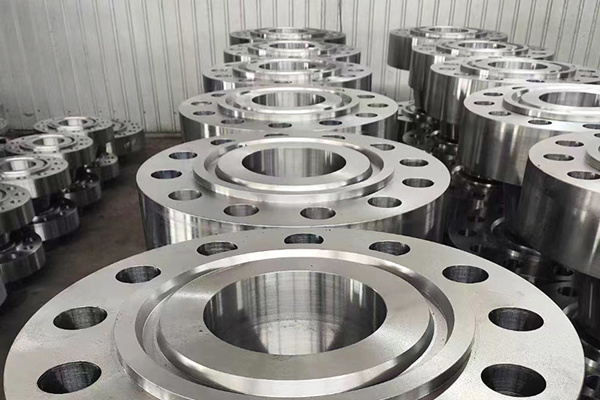
API 6A TYPE 6BX flanges and blinds in ANSI/API Spec 6A specification
API 6A TYPE 6BX Flanges and blinds are a wellhead connection assembly defined in ANSI/API Spec 6A for connecting piping systems and valve equipment between oil and gas wellheads.
2024-05-22
The Essential Guide to Carbon Steel Plate Flanges in Construction and Decoration
Carbon steel plate flanges are critical components in the construction and decoration materials sector, particularly in piping systems.
2024-05-22