The Essential Guide to Steel Pipe Elbows in Construction
2026-05-14
Steel pipe elbows are crucial components in various piping systems, particularly in the construction and plumbing industries. These fittings are designed to change the direction of piping flows, allowing for flexibility and efficiency in layout. Typically made from durable materials like steel, they offer both strength and resistance to wear, making them ideal for high-pressure applications.
One o
Steel pipe elbows are crucial components in various piping systems, particularly in the construction and plumbing industries. These fittings are designed to change the direction of piping flows, allowing for flexibility and efficiency in layout. Typically made from durable materials like steel, they offer both strength and resistance to wear, making them ideal for high-pressure applications.
One of the primary functions of steel pipe elbows is to facilitate directional changes in the piping system. This is essential in building structures where pipes must navigate around obstacles or shift to accommodate the layout of the building. Common angles for these elbows include 90 degrees and 45 degrees, although other angles are available to suit specific needs. By choosing the appropriate angle, engineers and architects can optimize the flow of fluids and gases, reducing the risk of turbulence and pressure drops.
In terms of types, steel pipe elbows can be categorized based on their manufacturing process and material properties. For instance, welded elbows are made by joining two pieces of steel, while seamless elbows are crafted from a single piece, ensuring a strong and continuous structure. Each type has its advantages, with seamless elbows often providing better resistance to corrosion and pressure, making them suitable for critical applications in industries such as oil and gas.
The applications of steel pipe elbows extend beyond just plumbing. They are widely used in HVAC (Heating, Ventilation, and Air Conditioning) systems, where they help redirect airflow throughout a building. In industrial settings, they play a vital role in transporting various substances, including steam, water, and chemicals, ensuring that processes run smoothly and efficiently.
Moreover, the choice of steel grade significantly impacts the performance of pipe elbows. Common grades include ASTM A53 and ASTM A234, each offering different levels of strength and corrosion resistance. When selecting steel pipe elbows for your projects, it's essential to consider the operating conditions, including temperature and pressure, to ensure long-term reliability.
In conclusion, steel pipe elbows are indispensable in construction and plumbing applications. Their ability to facilitate direction changes, combined with their robust material properties, makes them a key element in creating efficient and effective piping systems. Understanding the different types and their respective applications will help you make informed decisions in your projects, ensuring structural integrity and optimal performance. Remember, the right choice of steel pipe elbows can significantly impact the overall functionality of your piping system, leading to successful outcomes in your building and decorating projects.
One of the primary functions of steel pipe elbows is to facilitate directional changes in the piping system. This is essential in building structures where pipes must navigate around obstacles or shift to accommodate the layout of the building. Common angles for these elbows include 90 degrees and 45 degrees, although other angles are available to suit specific needs. By choosing the appropriate angle, engineers and architects can optimize the flow of fluids and gases, reducing the risk of turbulence and pressure drops.
In terms of types, steel pipe elbows can be categorized based on their manufacturing process and material properties. For instance, welded elbows are made by joining two pieces of steel, while seamless elbows are crafted from a single piece, ensuring a strong and continuous structure. Each type has its advantages, with seamless elbows often providing better resistance to corrosion and pressure, making them suitable for critical applications in industries such as oil and gas.
The applications of steel pipe elbows extend beyond just plumbing. They are widely used in HVAC (Heating, Ventilation, and Air Conditioning) systems, where they help redirect airflow throughout a building. In industrial settings, they play a vital role in transporting various substances, including steam, water, and chemicals, ensuring that processes run smoothly and efficiently.
Moreover, the choice of steel grade significantly impacts the performance of pipe elbows. Common grades include ASTM A53 and ASTM A234, each offering different levels of strength and corrosion resistance. When selecting steel pipe elbows for your projects, it's essential to consider the operating conditions, including temperature and pressure, to ensure long-term reliability.
In conclusion, steel pipe elbows are indispensable in construction and plumbing applications. Their ability to facilitate direction changes, combined with their robust material properties, makes them a key element in creating efficient and effective piping systems. Understanding the different types and their respective applications will help you make informed decisions in your projects, ensuring structural integrity and optimal performance. Remember, the right choice of steel pipe elbows can significantly impact the overall functionality of your piping system, leading to successful outcomes in your building and decorating projects.
Key words:
RELATED INFORMATION
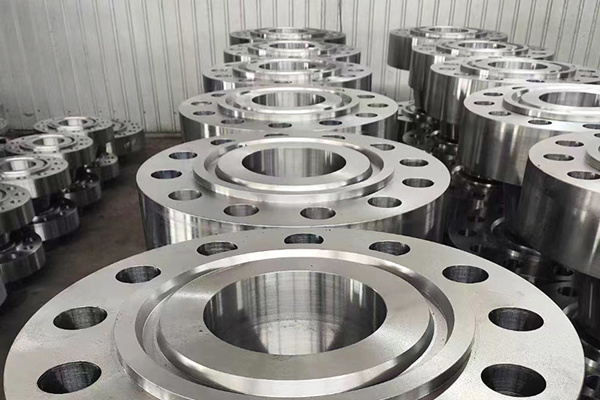
API 6A TYPE 6BX flanges and blinds in ANSI/API Spec 6A specification
API 6A TYPE 6BX Flanges and blinds are a wellhead connection assembly defined in ANSI/API Spec 6A for connecting piping systems and valve equipment between oil and gas wellheads.
2024-05-22
The Essential Guide to Carbon Steel Plate Flanges in Construction and Decoration
Carbon steel plate flanges are critical components in the construction and decoration materials sector, particularly in piping systems.
2024-05-22