Cangzhou Jieyue Pipe Fittings Manufacturing Co., Ltd.



The Essential Role of Pipe Elbow Joints in Construction and Design
2026-05-13
Pipe elbow joints are typically categorized based on their angle, with the most common types being 90-degree and 45-degree elbows. The choice of elbow angle affects the flow dynamics within a pipe system. For instance, 90-degree elbows are often used in systems where space allows for a sharp turn, while 45-degree elbows are preferable for smoother transitions, minimizing turbulence and pressure drops. This is particularly crucial in hydraulic and pneumatic systems where maintaining optimal flow rates is vital.
Materials used in manufacturing pipe elbow joints include PVC, stainless steel, carbon steel, and various alloys, tailored for specific applications. The material selection impacts not only the performance of the joint but also its longevity and resistance to environmental factors. For example, stainless steel elbows are ideal for systems that handle corrosive substances, whereas PVC elbows are commonly used in residential plumbing due to their cost-effectiveness and ease of installation.
Another key aspect to consider is the connection method of the elbow joints. They can come with threaded, welded, or socket-style fittings, each serving different installation requirements. Threaded elbows are ideal for systems that require disassembly, while welded elbows provide a more permanent solution, ensuring a robust connection that minimizes leakage risks.
In addition to their functional advantages, pipe elbow joints can also play a role in aesthetic considerations, especially in exposed plumbing or decorative installations. With a variety of finishes and styles available, professionals in the architecture and design fields can select elbows that not only perform well but also blend seamlessly with the overall aesthetic of the project.
Overall, the integration of pipe elbow joints in construction is not merely a technical requirement but a crucial element of design and functionality. By understanding the different types, materials, and applications of these fittings, professionals can make informed decisions that enhance the efficiency and effectiveness of their plumbing and piping systems. As you plan your next project, consider the role of pipe elbow joints and how they can contribute to both performance and design integrity.
Key words:
RELATED INFORMATION
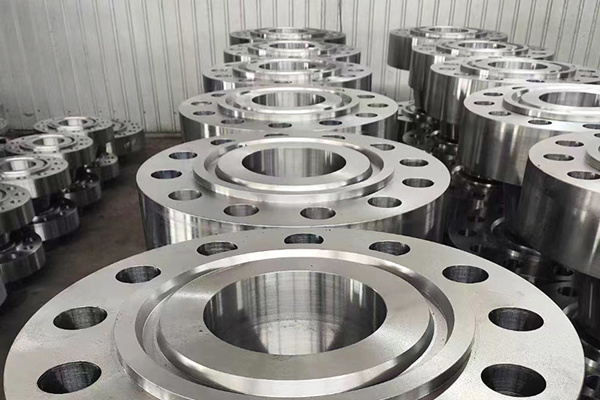
API 6A TYPE 6BX flanges and blinds in ANSI/API Spec 6A specification
2024-05-22

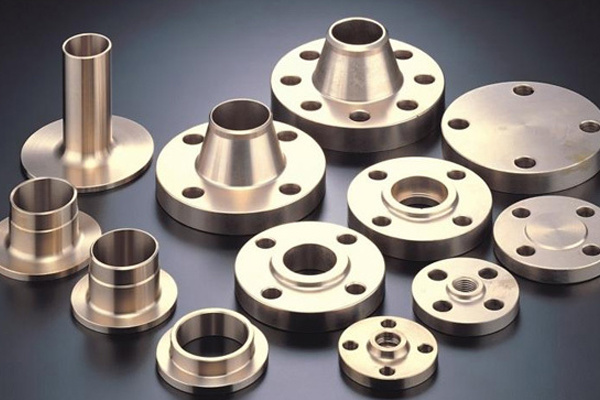
The Essential Guide to Carbon Steel Plate Flanges in Construction and Decoration
2024-05-22


Service E-mail
After-sales complaint E-mail:
WhatsApp / Tel / Wechat:
Address
Mengcun, Cangzhou City, Hebei Province
To inquire about our products, please leave your email to us and we will contact you within 24 hours.
Our Main Products


Cangzhou Jieyue Pipe Fittings Manufacturing Co., Ltd. | Poweredby:300.cn | Privacy Policy
City list