Cangzhou Jieyue Pipe Fittings Manufacturing Co., Ltd.



Pipe Joint Fitting Maintenance: Ensuring Longevity and Performance
2026-05-12
Pipe Joint Fitting Maintenance: Ensuring Longevity and Performance
Introduction to Pipe Joint Fittings
Pipe joint fittings play a crucial role in the plumbing and construction industries. These components connect pipes, allowing for the seamless flow of liquids and gases. Given their importance, understanding how to maintain these fittings can significantly impact system efficiency and longevity. In this article, we will delve into effective maintenance strategies, common issues, and tips to prolong the life of your pipe joint fittings.
The Importance of Regular Maintenance
Regular maintenance of pipe joint fittings is essential for several reasons:
Preventing Leaks
Leaks can lead to severe problems, including water damage and structural issues. Regular inspection and maintenance help identify potential leaks early, preventing costly repairs.
Enhancing Performance
Well-maintained fittings ensure optimal flow rates and reduce the risk of pressure drops in your system. This can lead to improved efficiency in both residential and industrial settings.
Extending Lifespan
Investing time in maintenance can significantly extend the lifespan of your fittings. This not only saves money in the long run but also reduces the frequency of replacements.
Common Issues with Pipe Joint Fittings
Understanding common issues that arise with pipe joint fittings can aid in effective maintenance and troubleshooting.
Corrosion
Corrosion is one of the most prevalent issues affecting metal fittings. Over time, exposure to moisture and chemicals can weaken the material, leading to leaks and failures.
Wear and Tear
Regular use can lead to wear and tear, particularly in high-pressure systems. This can result in degraded seals and compromised connections.
Blockages
Debris accumulation can lead to blockages in fittings, affecting flow rates and increasing the risk of pressure build-up.
Effective Maintenance Strategies for Pipe Joint Fittings
Implementing a structured maintenance routine can help ensure your pipe joint fittings remain in optimal condition. Here are some best practices:
Regular Inspections
Schedule regular inspections of your pipe joint fittings. Look for signs of wear, corrosion, or leaks. Early detection can prevent larger issues from developing.
Inspection Checklist
- **Visual Inspection**: Look for rust, discoloration, or any visible damage.
- **Pressure Tests**: Conduct pressure tests to ensure fittings can withstand operational demands.
- **Flexibility Checks**: Ensure joints are flexible and not overly rigid, which can indicate underlying issues.
Cleansing and Debris Removal
Keeping fittings clean is essential in preventing blockages. Regularly flush systems to remove debris and scale that may accumulate over time.
Cleaning Procedures
- **Chemical Cleaning**: Use appropriate chemical cleaners to dissolve buildup.
- **Mechanical Cleaning**: Consider mechanical methods like brushes or high-pressure water jets for stubborn blockages.
Replacing Worn Components
When inspecting your fittings, replace any worn or damaged components promptly. This can include seals, gaskets, and even entire fittings if necessary.
Lubrication of Moving Parts
If your pipe joint fittings have moving components, ensure they are properly lubricated. Use appropriate lubricants to reduce friction and wear.
Best Practices for Specific Types of Pipe Joint Fittings
Different types of pipe joint fittings may require specific maintenance practices.
Compression Fittings
Compression fittings rely on a tight seal to function correctly. Over time, they may loosen, requiring re-tightening. Additionally, inspect the O-rings for wear.
Threaded Fittings
Threaded fittings can be prone to stripping or cross-threading. Regularly check threads for damage and use thread sealants to ensure a watertight connection.
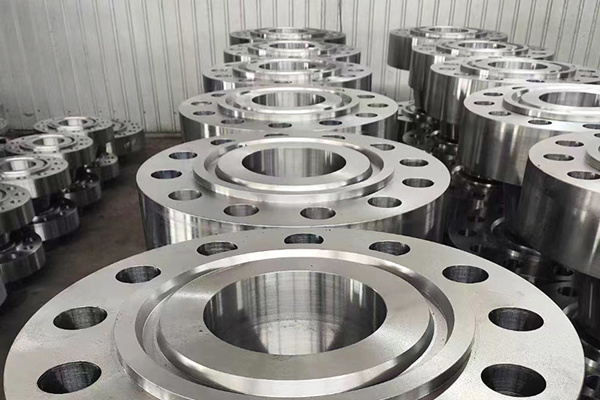
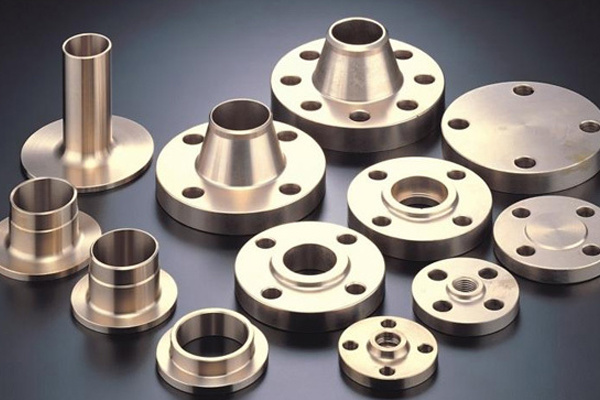
Flanged Fittings
Flanged fittings require regular inspection of the gasket and bolts. If any bolts appear loose, ensure they are retightened to maintain a secure fit.
DIY vs. Professional Maintenance
Whether to perform maintenance yourself or hire professionals depends on several factors.
DIY Maintenance
For minor inspections and cleaning, DIY maintenance can be cost-effective. Ensure you have the right tools and knowledge to conduct basic checks and repairs.
Professional Services
For complex systems or significant issues, hiring professionals is advisable. They have the expertise and tools to identify and resolve problems effectively.
Choosing the Right Tools for Maintenance
Utilizing the right tools can make maintenance tasks easier and more effective. Here’s a list of essential tools for maintaining pipe joint fittings:
Essential Tools
- **Wrenches**: For tightening and loosening fittings.
- **Pipe Cutters**: To replace damaged sections of pipe.
- **Inspection Cameras**: For internal examinations of pipes and fittings.
- **Cleaning Brushes**: For removing debris from fittings.
FAQs About Pipe Joint Fitting Maintenance
1. How often should I inspect my pipe joint fittings?
It is advisable to inspect your fittings at least once a year or more frequently in high-use situations.
2. What should I look for during an inspection?
Look for signs of corrosion, leaks, and any visible wear on fittings and connections.
3. Can I repair a leaking pipe joint fitting myself?
Minor leaks can often be repaired by tightening the fitting or replacing the seal. However, significant leaks should be handled by professionals.
4. How do I clean my pipe joint fittings effectively?
Chemical cleaners and mechanical methods like brushing can effectively remove debris and buildup.
5. What are the signs that a fitting needs to be replaced?
Signs include visible cracks, severe corrosion, or persistent leaks that do not resolve with tightening or sealing.
Conclusion
Maintaining pipe joint fittings is essential for ensuring their longevity and performance. Regular inspections, cleaning, and timely replacements can prevent issues that could lead to costly repairs and downtime. By following the best practices outlined in this guide, you can keep your plumbing systems functioning efficiently and avoid the pitfalls associated with neglecting maintenance. Remember, a proactive approach to pipe joint fitting maintenance not only saves money in the long run but also enhances system reliability and efficiency.
Key words:
RELATED INFORMATION
API 6A TYPE 6BX flanges and blinds in ANSI/API Spec 6A specification
2024-05-22
The Essential Guide to Carbon Steel Plate Flanges in Construction and Decoration
2024-05-22


Service E-mail
After-sales complaint E-mail:
WhatsApp / Tel / Wechat:
Address
Mengcun, Cangzhou City, Hebei Province
To inquire about our products, please leave your email to us and we will contact you within 24 hours.
Our Main Products


Cangzhou Jieyue Pipe Fittings Manufacturing Co., Ltd. | Poweredby:300.cn | Privacy Policy
City list