Understanding Pipe Elbow Joints: Essential Components for Efficient Plumbing Systems
2026-04-03
When it comes to plumbing and construction, pipe elbow joints are essential components that facilitate the efficient flow of liquids and gases through piping systems. These joints allow pipes to change direction, making them crucial in both residential and commercial applications. Understanding the importance of pipe elbow joints can significantly enhance the design and functionality of your plumb
When it comes to plumbing and construction, pipe elbow joints are essential components that facilitate the efficient flow of liquids and gases through piping systems. These joints allow pipes to change direction, making them crucial in both residential and commercial applications. Understanding the importance of pipe elbow joints can significantly enhance the design and functionality of your plumbing projects.
Pipe elbow joints come in various angles, with the most common being 45-degree and 90-degree bends. The choice of angle depends on the specific requirements of the plumbing system, including the type of fluid being transported and the available space for installation. Using the right angle is essential not just for the efficiency of the flow but also for the longevity of the entire system.
One of the primary advantages of pipe elbow joints is their ability to minimize fluid turbulence. When fluids flow through a piping system, sharp bends can lead to increased pressure drops and potential damage to the system. Elbow joints, designed with smooth curves, help maintain a more consistent flow rate, reducing the risk of leaks or ruptures. This is particularly important in high-pressure applications, where maintaining integrity is critical.
Material selection also plays a significant role in the effectiveness of pipe elbow joints. Common materials include PVC, copper, and stainless steel, each offering distinct properties suited for different environments. For example, PVC elbow joints are lightweight and resistant to corrosion, making them ideal for residential plumbing. On the other hand, stainless steel elbow joints are more durable and better suited for industrial applications, where resistance to extreme temperatures and chemicals is necessary.
Installation techniques for pipe elbow joints can vary, depending on the material and system design. Proper alignment and secure fittings are crucial to avoid leaks and ensure optimal performance. When installing these joints, it's important to follow manufacturer guidelines and best practices to achieve a reliable and long-lasting connection.
Moreover, regular maintenance and inspections of piping systems that utilize elbow joints are essential for preventing issues. Over time, wear and tear can occur, leading to reduced efficiency or failures. Implementing a routine check-up can help identify potential problems early, saving both time and money in the long run.
In conclusion, pipe elbow joints are integral to any piping system, offering flexibility and efficiency in fluid transport. By understanding their design, materials, and best practices for installation, you can ensure that your plumbing projects are both effective and durable. Whether in residential or industrial settings, recognizing the importance of these joints can lead to better performance and longer-lasting systems.
Pipe elbow joints come in various angles, with the most common being 45-degree and 90-degree bends. The choice of angle depends on the specific requirements of the plumbing system, including the type of fluid being transported and the available space for installation. Using the right angle is essential not just for the efficiency of the flow but also for the longevity of the entire system.
One of the primary advantages of pipe elbow joints is their ability to minimize fluid turbulence. When fluids flow through a piping system, sharp bends can lead to increased pressure drops and potential damage to the system. Elbow joints, designed with smooth curves, help maintain a more consistent flow rate, reducing the risk of leaks or ruptures. This is particularly important in high-pressure applications, where maintaining integrity is critical.
Material selection also plays a significant role in the effectiveness of pipe elbow joints. Common materials include PVC, copper, and stainless steel, each offering distinct properties suited for different environments. For example, PVC elbow joints are lightweight and resistant to corrosion, making them ideal for residential plumbing. On the other hand, stainless steel elbow joints are more durable and better suited for industrial applications, where resistance to extreme temperatures and chemicals is necessary.
Installation techniques for pipe elbow joints can vary, depending on the material and system design. Proper alignment and secure fittings are crucial to avoid leaks and ensure optimal performance. When installing these joints, it's important to follow manufacturer guidelines and best practices to achieve a reliable and long-lasting connection.
Moreover, regular maintenance and inspections of piping systems that utilize elbow joints are essential for preventing issues. Over time, wear and tear can occur, leading to reduced efficiency or failures. Implementing a routine check-up can help identify potential problems early, saving both time and money in the long run.
In conclusion, pipe elbow joints are integral to any piping system, offering flexibility and efficiency in fluid transport. By understanding their design, materials, and best practices for installation, you can ensure that your plumbing projects are both effective and durable. Whether in residential or industrial settings, recognizing the importance of these joints can lead to better performance and longer-lasting systems.
Key words:
RELATED INFORMATION
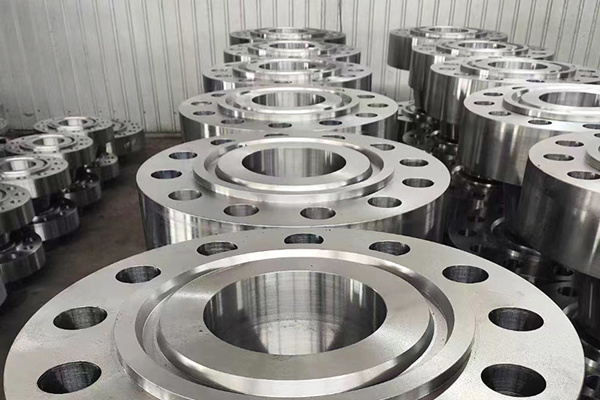
API 6A TYPE 6BX flanges and blinds in ANSI/API Spec 6A specification
API 6A TYPE 6BX Flanges and blinds are a wellhead connection assembly defined in ANSI/API Spec 6A for connecting piping systems and valve equipment between oil and gas wellheads.
2024-05-22
The Essential Guide to Carbon Steel Plate Flanges in Construction and Decoration
Carbon steel plate flanges are critical components in the construction and decoration materials sector, particularly in piping systems.
2024-05-22