Cangzhou Jieyue Pipe Fittings Manufacturing Co., Ltd.



Comprehensive Guide to Pipe Joint Fitting Installation: Expert Tips and Best Practices
2026-04-02
Pipe Joint Fitting Installation: Tips and Best Practices
Table of Contents
- Introduction to Pipe Joint Fittings
- Understanding the Types of Pipe Joint Fittings
- Essential Tools and Materials for Installation
- Key Pre-Installation Steps to Consider
- Effective Installation Techniques for Pipe Joint Fittings
- Common Mistakes to Avoid During Installation
- Maintenance Tips for Longevity
- Frequently Asked Questions
- Conclusion
Introduction to Pipe Joint Fittings
Pipe joint fittings are crucial components in plumbing systems, facilitating the connection of pipes to ensure a continuous flow of liquids or gases. Proper installation of these fittings is essential to prevent leaks, maintain pressure, and enhance the overall durability of the plumbing system. In this guide, we will delve deep into the various types of pipe joint fittings, the tools required for installation, and the best practices for ensuring a successful installation process.
Understanding the Types of Pipe Joint Fittings
To effectively install pipe joint fittings, it’s vital to understand the different types available, as each serves a unique purpose in plumbing applications.
1. Elbow Fittings
Elbow fittings are used to change the direction of the piping system, typically at a 90-degree or 45-degree angle. They are essential for navigating around obstacles and redirecting flow efficiently.
2. T-Fittings
T-Fittings allow for branching off from the main pipeline. They are essential in distributing fluid to two different directions, effectively creating a “T” shape in the piping layout.
3. Couplings
Couplings are used to connect two pipes of the same diameter. They can be threaded or slip-on, ensuring a secure attachment that prevents leaks.
4. Bushings
Bushings are versatile fittings that allow for the connection of pipes of different diameters. They reduce the size of the pipe fitting, ensuring a tight and secure fit.
5. Caps and Plugs
Caps and plugs are used to seal the ends of pipes. Caps cover the end of a pipe, while plugs fit inside the pipe, both serving to prevent any fluid or gas from escaping.
Essential Tools and Materials for Installation
Having the right tools and materials is critical for a successful pipe joint fitting installation. Here’s a list of essentials:
1. Pipe Wrenches
Pipe wrenches are essential for gripping and turning pipes and fittings. Their adjustable jaws allow for a strong grip on various sizes.
2. Pipe Cutters
Pipe cutters ensure clean cuts when shortening pipes, which is crucial for effective sealing and fitting.
3. Teflon Tape
Teflon tape is used on threaded joints to create a watertight seal, preventing leaks at the joints.
4. Pipe Joint Compound
This compound acts as an additional sealing agent, providing extra protection against leaks, especially in threaded connections.
5. Measuring Tape and Marker
Accurate measurements are key to a successful installation. A measuring tape and marker will help ensure precision when cutting and fitting pipes.
Key Pre-Installation Steps to Consider
Before diving into the installation process, several preparatory steps can help streamline the work and enhance the results.
1. Assess the Project Requirements
Understanding the specific needs of the plumbing project is crucial. This includes determining the type and size of fittings required.
2. Gather Necessary Permits
Depending on local regulations, you may need to acquire permits before commencing any plumbing work. Ensure compliance to avoid legal issues.
3. Prepare the Work Area
A clean and organized workspace enhances efficiency. Remove any debris and ensure good lighting for optimal working conditions.
4. Review Manufacturer Instructions
Each type of fitting may come with specific installation instructions. Reviewing these guidelines can prevent mistakes and subpar results.
Effective Installation Techniques for Pipe Joint Fittings
Proper installation techniques are paramount to ensure the longevity and effectiveness of pipe joint fittings. Follow these steps for optimal results:
1. Measure and Cut Pipes Accurately
Using a measuring tape, determine the length required for each pipe segment. Cut the pipes with a pipe cutter for a clean edge, which is essential for a good fit.
2. Clean and Deburr the Ends
After cutting, clean the ends of the pipes to remove any burrs or rough edges. This ensures a smooth connection.
3. Apply Teflon Tape or Joint Compound
For threaded fittings, wrap Teflon tape around the threads in a clockwise direction. For slip-on fittings, apply a layer of pipe joint compound for extra sealing.
4. Connect the Fittings Securely
Join the fittings to the pipes, ensuring they are tightened properly. For threaded fittings, use a pipe wrench to secure them without over-tightening, which can cause damage.
5. Test for Leaks
Once the installation is complete, turn on the water or gas supply slowly. Carefully check for any leaks around the joints and fittings, and address any issues immediately.
Common Mistakes to Avoid During Installation
Awareness of potential pitfalls can save time and resources. Here are common mistakes to avoid:
1. Neglecting Measurements
Inaccurate measurements can lead to improper fitting connections. Always double-check measurements before cutting.
2. Skipping Preparation Steps
Rushing through pre-installation steps can result in complications later. Take the time to gather materials and review instructions.
3. Over-tightening Connections
While it’s essential to secure fittings, over-tightening can damage threads and lead to leaks. Apply just the right amount of torque.
4. Ignoring Leak Testing
Failing to test for leaks is a major oversight. Always perform a leak test to ensure the integrity of your installation.
Maintenance Tips for Longevity
To ensure your pipe joint fittings remain effective over time, regular maintenance is necessary. Here are some tips to consider:
1. Regular Inspections
Conduct periodic inspections of your plumbing system to identify any early signs of wear or leaks. Catching issues early can save on costly repairs.
2. Keep Fittings Clean
Dirt and debris can compromise seals over time. Regularly clean fittings, especially in high-use areas.
3. Monitor Pressure Levels
Maintaining appropriate pressure levels within the system is vital. Excess pressure can lead to joint failure and leaks.
4. Address Issues Promptly
If you notice leaks or other issues, address them immediately. Delaying repairs can exacerbate the problem and lead to more extensive damage.
Frequently Asked Questions
1. What materials are commonly used for pipe joint fittings?
Common materials include PVC, copper, brass, and galvanized steel, each suitable for different applications.
2. How do I know what size fitting I need?
Measure the diameter of the pipes you’re connecting and select fittings that match these dimensions.
3. Can I install pipe joint fittings myself?
Yes, with the right tools and knowledge, many homeowners can install pipe joint fittings. However, complex systems may require professional assistance.
4. What should I do if I find a leak?
Immediately turn off the water supply and assess the fitting. Tighten connections or replace fittings as necessary.
5. How often should I inspect my plumbing system?
It’s advisable to inspect your plumbing system at least once a year, or more frequently if you notice potential issues.
Conclusion
Proper installation of pipe joint fittings is critical to the efficiency and longevity of any plumbing system. By understanding the various types of fittings, employing the right tools, and following best practices, we can ensure a successful installation process that minimizes leaks and maximizes functionality. Regular maintenance and inspections further enhance the durability of our plumbing systems, ensuring they perform optimally for years to come. By adhering to the guidelines outlined in this article, we can confidently tackle any plumbing project with skill and expertise.
Key words:
RELATED INFORMATION
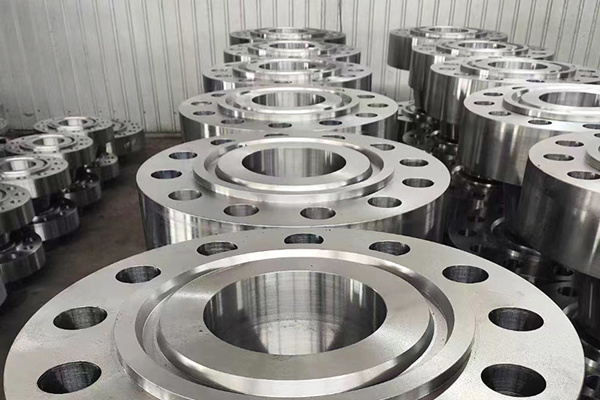
API 6A TYPE 6BX flanges and blinds in ANSI/API Spec 6A specification
2024-05-22

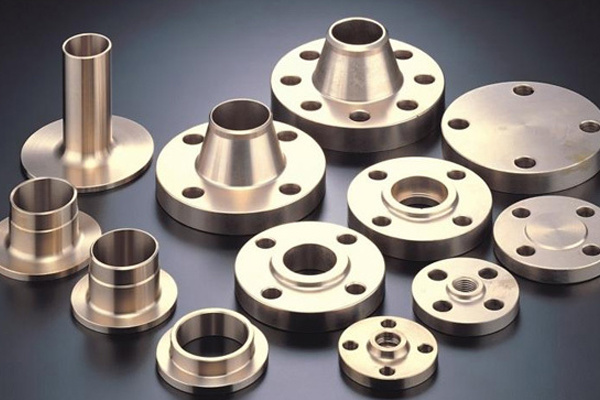
The Essential Guide to Carbon Steel Plate Flanges in Construction and Decoration
2024-05-22


Service E-mail
After-sales complaint E-mail:
WhatsApp / Tel / Wechat:
Address
Mengcun, Cangzhou City, Hebei Province
To inquire about our products, please leave your email to us and we will contact you within 24 hours.
Our Main Products


Cangzhou Jieyue Pipe Fittings Manufacturing Co., Ltd. | Poweredby:300.cn | Privacy Policy
City list