Cangzhou Jieyue Pipe Fittings Manufacturing Co., Ltd.



Weld Neck Pipe Flanges: Supporting Sustainable Building Practices
2026-10-09
Weld Neck Pipe Flanges: Supporting Sustainable Building Practices
Table of Contents
1. Introduction to Weld Neck Pipe Flanges
2. What Are Weld Neck Pipe Flanges?
3. Benefits of Using Weld Neck Pipe Flanges
4. Sustainability in Construction: An Overview
5. How Weld Neck Pipe Flanges Support Sustainable Building Practices
6. Applications of Weld Neck Pipe Flanges in Various
Weld Neck Pipe Flanges: Supporting Sustainable Building Practices
Table of Contents
- 1. Introduction to Weld Neck Pipe Flanges
- 2. What Are Weld Neck Pipe Flanges?
- 3. Benefits of Using Weld Neck Pipe Flanges
- 4. Sustainability in Construction: An Overview
- 5. How Weld Neck Pipe Flanges Support Sustainable Building Practices
- 6. Applications of Weld Neck Pipe Flanges in Various Industries
- 7. Choosing the Right Weld Neck Flange for Your Project
- 8. Frequently Asked Questions (FAQs)
- 9. Conclusion
1. Introduction to Weld Neck Pipe Flanges
Weld neck pipe flanges are a critical component in many piping systems, particularly in industries where durability and reliability are paramount. Their design, which features a long tapered neck, allows for a strong and seamless connection between pipes and other components. As we navigate the challenges of modern construction, these flanges emerge not just as functional items but as pivotal elements supporting sustainable building practices.
2. What Are Weld Neck Pipe Flanges?
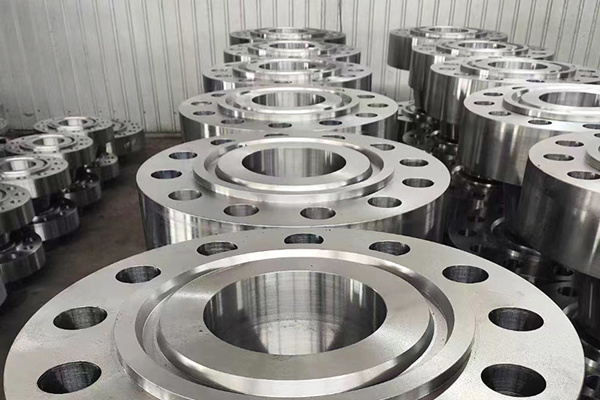
Weld neck flanges are designed with a protruding neck, which increases the strength of the joint between the pipe and the flange. This type of flange is typically made from materials such as stainless steel, carbon steel, or alloy steel, offering high resistance to pressure and temperature fluctuations. The unique geometry of weld neck flanges enables them to be welded directly to the pipe, creating a strong bond that minimizes the risk of leaks and failures.
Key Features of Weld Neck Flanges
- Circular flange design: Facilitates even distribution of stress.
- Tapered neck: Provides a smooth transition for flow and reduces turbulence.
- Versatile dimensions: Available in various sizes and specifications to meet project requirements.
- Compatibility: Suitable for high-pressure and high-temperature applications.
3. Benefits of Using Weld Neck Pipe Flanges
Utilizing weld neck flanges offers numerous advantages that enhance both operational efficiency and sustainability in construction projects.
Enhanced Structural Integrity
The robust design of weld neck flanges ensures superior strength and durability. This feature minimizes the chances of leakage and failure, which can lead to costly repairs and environmental hazards.
Cost-Effectiveness
While the initial investment may be higher than other flange types, the longevity and reliability of weld neck flanges reduce maintenance costs and the need for frequent replacements. This makes them a cost-effective choice in the long run.
Simple Installation
Weld neck flanges are easy to install, allowing for straightforward assembly. The welding process creates a solid joint that can withstand significant stress and temperature changes, further enhancing the system's reliability.
4. Sustainability in Construction: An Overview
Sustainable construction practices are vital for reducing the environmental impact of building projects. These practices encompass efficient use of resources, waste reduction, and the incorporation of materials that promote a healthier ecosystem.
Importance of Sustainable Practices
With the construction industry being a major contributor to environmental degradation, there is a pressing need to adopt sustainable methods. Implementing eco-friendly practices not only conserves resources but also positively impacts the community and future generations.
5. How Weld Neck Pipe Flanges Support Sustainable Building Practices
The integration of weld neck pipe flanges into construction projects aligns with sustainability goals in various ways:
Reduced Material Waste
The durability of weld neck flanges means they need to be replaced less frequently, leading to a significant reduction in material waste over time. This contributes to less landfill waste and a more sustainable lifecycle for construction materials.
Improved Energy Efficiency
By ensuring a reliable connection that minimizes leaks, weld neck flanges contribute to the overall energy efficiency of piping systems. Reducing leaks not only conserves resources but also enhances the performance of HVAC systems and other utilities.
Long-Term Performance
The longevity of weld neck flanges allows for a decrease in the frequency of repairs and replacements. This long-term performance is a crucial aspect of sustainable building design, as it lessens the need for new materials and associated manufacturing processes.
6. Applications of Weld Neck Pipe Flanges in Various Industries
Weld neck pipe flanges are versatile components found in numerous applications across various industries:
Oil and Gas Sector
In the oil and gas industry, weld neck flanges are essential for ensuring the integrity of pipelines that transport highly volatile substances. Their durability under high pressure and temperature makes them ideal for this application.
Water Treatment Facilities
Weld neck flanges are used in water treatment plants to connect pipes efficiently while minimizing the risk of leaks, ensuring a reliable supply of clean water.
HVAC Systems
Heating, ventilation, and air conditioning systems benefit from the use of weld neck flanges, as they provide solid joints that help maintain energy efficiency and system performance.
Nuclear Power Plants
Due to their ability to withstand extreme conditions, weld neck flanges are commonly found in nuclear facilities, where safety and reliability are of utmost importance.
7. Choosing the Right Weld Neck Flange for Your Project
Selecting the appropriate weld neck flange requires consideration of several factors:
Material Selection
Choose the right material based on the application’s requirements, such as corrosion resistance, pressure, and temperature levels. Options include carbon steel, stainless steel, and specialized alloys.
Size and Dimensions
Ensure that the flange size aligns with the piping system specifications to ensure compatibility and optimal performance.
Standards and Certifications
Verify that the selected flanges meet industry standards such as ASME, ANSI, or API, ensuring compliance with safety and quality regulations.
8. Frequently Asked Questions (FAQs)
What are the advantages of weld neck flanges over other flange types?
Weld neck flanges provide superior strength, durability, and leak resistance, making them suitable for high-pressure and high-temperature applications compared to other flange types.
How do weld neck flanges contribute to sustainability?
Their long lifespan and reduced risk of leaks lead to less material waste and lower energy consumption, aligning with sustainable building practices.
Can weld neck flanges be used in corrosive environments?
Yes, when made from corrosion-resistant materials such as stainless steel, weld neck flanges can effectively handle corrosive environments.
Are weld neck flanges easy to install?
Yes, they are designed for straightforward installation through welding, which creates a strong and reliable joint.
What industries commonly use weld neck flanges?
Industries such as oil and gas, water treatment, HVAC, and nuclear power plants frequently utilize weld neck flanges due to their reliability and performance.
9. Conclusion
Weld neck pipe flanges play a vital role in supporting sustainable building practices within the construction industry. Their robust design, long lifespan, and efficiency in reducing waste and energy consumption make them an invaluable component in various applications. By prioritizing the use of weld neck flanges, we can contribute to a more sustainable future, reducing the environmental impact of our building practices while ensuring the safety and integrity of our infrastructure. As we move forward in the quest for sustainability, it is essential to recognize and incorporate such solutions into our projects.
Key words:
RELATED INFORMATION


API 6A TYPE 6BX flanges and blinds in ANSI/API Spec 6A specification
API 6A TYPE 6BX Flanges and blinds are a wellhead connection assembly defined in ANSI/API Spec 6A for connecting piping systems and valve equipment between oil and gas wellheads.
2024-05-22


Service E-mail
After-sales complaint E-mail:
WhatsApp / Tel / Wechat:
Address
Mengcun, Cangzhou City, Hebei Province
To inquire about our products, please leave your email to us and we will contact you within 24 hours.
Our Main Products


Cangzhou Jieyue Pipe Fittings Manufacturing Co., Ltd. | Poweredby:300.cn | Privacy Policy
City list
Business License