Cangzhou Jieyue Pipe Fittings Manufacturing Co., Ltd.



How to Properly Store and Handle Carbon Steel Elbows on Site: A Comprehensive Guide
2026-10-05
How to Properly Store and Handle Carbon Steel Elbows on Site
Carbon steel elbows are vital components in numerous piping systems, providing necessary bends and turns in the direction of flow. Proper storage and handling are critical to maintaining their integrity and performance. This detailed guide will explore best practices for storing and handling carbon steel elbows on-site, ensuring that the
How to Properly Store and Handle Carbon Steel Elbows on Site
Carbon steel elbows are vital components in numerous piping systems, providing necessary bends and turns in the direction of flow. Proper storage and handling are critical to maintaining their integrity and performance. This detailed guide will explore best practices for storing and handling carbon steel elbows on-site, ensuring that these essential components remain in optimal condition.
Understanding Carbon Steel Elbows and Their Applications
Before diving into storage and handling practices, it’s essential to understand what carbon steel elbows are and where they fit into various systems. Carbon steel elbows are utilized in piping systems across different industries, including construction, oil and gas, and manufacturing. They allow for changes in direction in a piping system, ensuring that the flow of liquids or gases is efficient and effective.
The Importance of Proper Storage for Carbon Steel Elbows
Proper storage is crucial for preventing damage to carbon steel elbows. Poorly stored materials can lead to corrosion, physical damage, and ultimately, system failures. By implementing effective storage methods, you can prolong the lifespan of these components and reduce costs associated with replacements or repairs.
Common Risks Associated with Improper Storage
- **Corrosion**: Exposure to moisture and harsh environmental conditions can lead to rust formation.
- **Physical Damage**: Without adequate support, elbows can sustain dents or bends that compromise their functionality.
- **Contamination**: Dirt and debris can enter the piping system if elbows are not properly sealed or protected.
Best Practices for Storing Carbon Steel Elbows
Proper storage involves several key practices that can minimize risks and maintain the quality of carbon steel elbows.
1. Choose the Right Storage Location
Selecting an appropriate location is the first step in effective storage. Ensure that the area is:
- **Dry**: Avoid damp areas that can lead to rust.
- **Well-Ventilated**: Good airflow helps reduce moisture accumulation.
- **Covered**: If possible, store elbows indoors or under a protective covering.
2. Use Proper Palletization Techniques
Storing carbon steel elbows on pallets can help prevent contact with the ground, which can contribute to rust formation. Here are some tips:
- **Opt for Wooden or Plastic Pallets**: These materials are less likely to retain moisture compared to metal.
- **Avoid Overloading**: Do not exceed the weight capacity of pallets, as this can cause deformities.
3. Implement a Rotation System
Utilize a first-in, first-out (FIFO) system to ensure older stock is used before newer stock. This practice minimizes the risk of having elbows sit unused for extended periods, which can lead to deterioration.
4. Protect with Wrapping and Coatings
Consider using protective wrapping, such as polyethylene film, to shield elbows from moisture and contaminants. Additionally, applying a protective oil or coating can further inhibit corrosion.
Handling Carbon Steel Elbows Safely and Effectively
Proper handling is just as critical as storage. Implementing safe and effective handling practices will ensure that carbon steel elbows remain undamaged during transport and installation.
1. Use Appropriate Lifting Techniques
When moving elbows, always use proper lifting methods to prevent physical damage:
- **Use Lifting Straps**: Employ straps or slings to distribute weight evenly.
- **Avoid Dragging**: Never drag elbows across surfaces; lift them to avoid scratches and dents.
2. Train Personnel on Handling Procedures
Ensure that all personnel involved in handling carbon steel elbows are adequately trained. This training should encompass:
- **Lifting Techniques**: Best practices for lifting and moving materials.
- **Safety Protocols**: Personal protective equipment (PPE) requirements and hazard awareness.
3. Inspect Elbows Before Use
Before installation, visually inspect each elbow for any signs of damage, corrosion, or contamination. Conducting thorough inspections will help identify issues early and prevent complications during installation.
4. Document Inventory Regularly
Keep track of inventory levels and conditions through regular documentation. This practice will allow you to monitor the state of your carbon steel elbows and facilitate maintenance or replacement as needed.
Environmental Considerations When Storing Carbon Steel Elbows
It's important to consider the environmental impact of your storage and handling methods. Implementing eco-friendly practices can enhance your brand's reputation while preserving resources.
1. Use Sustainable Materials for Storage
Opt for biodegradable or recyclable materials in your storage solutions whenever possible. This approach reduces waste and aligns with sustainable practices.
2. Monitor Environmental Conditions
Be aware of environmental factors, such as temperature and humidity levels, that can affect your stored carbon steel elbows. Implementing climate control in storage areas can mitigate risks associated with extreme conditions.
Conclusion
Storing and handling carbon steel elbows properly is essential to ensure their longevity and performance in various applications. By following the best practices outlined in this comprehensive guide, you can minimize risks associated with corrosion, physical damage, and contamination. Adequate training, effective inventory management, and environmental considerations will further enhance your storage and handling processes. Ultimately, a commitment to these practices will save costs, enhance safety, and contribute to the overall efficiency of your operations.
FAQs
1. What is the best way to prevent corrosion in stored carbon steel elbows?
To prevent corrosion, store elbows in a dry, well-ventilated area, use protective wrapping, and consider applying a corrosion-inhibiting coating.
2. How can I tell if a carbon steel elbow is damaged before installation?
Inspect the elbow visually for any signs of rust, dents, scratches, or other physical damages. If any issues are present, consider replacing the component.
3. Is it necessary to train personnel on handling carbon steel elbows?
Yes, training is essential to ensure safe handling and minimize the risk of damage during transport and installation.
4. How often should I conduct inventory checks on my carbon steel elbows?
Regular checks, ideally on a monthly basis, can help monitor the condition of your inventory and facilitate timely maintenance or replacements.
5. Can I store carbon steel elbows directly on the ground?
It is not advisable to store them directly on the ground, as moisture from the soil can lead to corrosion. Use pallets or other raised storage solutions.
Key words:
RELATED INFORMATION


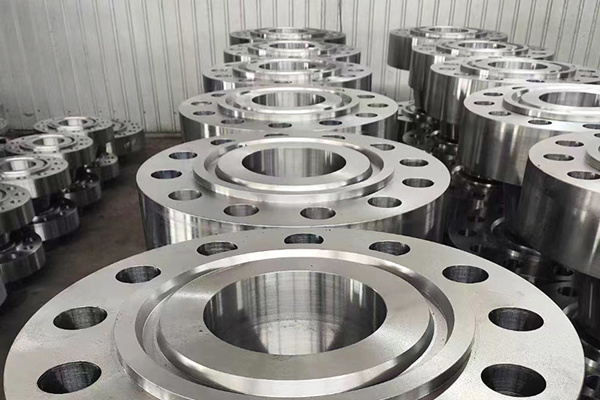
API 6A TYPE 6BX flanges and blinds in ANSI/API Spec 6A specification
API 6A TYPE 6BX Flanges and blinds are a wellhead connection assembly defined in ANSI/API Spec 6A for connecting piping systems and valve equipment between oil and gas wellheads.
2024-05-22


Service E-mail
After-sales complaint E-mail:
WhatsApp / Tel / Wechat:
Address
Mengcun, Cangzhou City, Hebei Province
To inquire about our products, please leave your email to us and we will contact you within 24 hours.
Our Main Products


Cangzhou Jieyue Pipe Fittings Manufacturing Co., Ltd. | Poweredby:300.cn | Privacy Policy
City list
Business License