Cangzhou Jieyue Pipe Fittings Manufacturing Co., Ltd.



Advanced Technologies in Weld Neck Pipe Flange Manufacturing
2026-10-01
Advanced Technologies in Weld Neck Pipe Flange Manufacturing
Table of Contents
1. Introduction to Weld Neck Pipe Flanges
2. Importance of Weld Neck Flanges in Industrial Applications
3. Overview of Manufacturing Processes for Weld Neck Flanges
4. Innovations in Materials Used for Weld Neck Flanges
5. Advanced Welding Techniques in Flange Production
6. Automation and Robotics in Weld Neck Flange Ma
Advanced Technologies in Weld Neck Pipe Flange Manufacturing
Table of Contents
1. Introduction to Weld Neck Pipe Flanges
2. Importance of Weld Neck Flanges in Industrial Applications
3. Overview of Manufacturing Processes for Weld Neck Flanges
4. Innovations in Materials Used for Weld Neck Flanges
5. Advanced Welding Techniques in Flange Production
6. Automation and Robotics in Weld Neck Flange Manufacturing
7. Quality Control Measures in Flange Production
8. The Future of Weld Neck Pipe Flange Technologies
9. Frequently Asked Questions (FAQs)
10. Conclusion
1. Introduction to Weld Neck Pipe Flanges
Weld neck pipe flanges are essential components in piping systems, connecting pipes, valves, pumps, and other equipment. Characterized by their tapered neck, these flanges provide a robust connection that can handle high pressure and temperature variations. The design facilitates easy alignment and ensures secure welding to pipes. As industries continue to evolve, the demand for high-quality, reliable flanges has led to the adoption of advanced technologies in their manufacturing processes.
2. Importance of Weld Neck Flanges in Industrial Applications
Weld neck flanges play a critical role in various industrial applications, including oil and gas, chemical processing, power generation, and water treatment. Their ability to withstand extreme conditions makes them ideal for critical systems. The integrity of a weld neck flange joint is paramount, as failure can lead to catastrophic results. Therefore, manufacturers are increasingly focusing on advancements in production techniques to enhance safety and reliability.
3. Overview of Manufacturing Processes for Weld Neck Flanges
The manufacturing process for weld neck flanges involves several key steps, each contributing to the final product's quality and performance.
3.1 Material Selection
Selecting the right material is crucial. Common materials include carbon steel, stainless steel, and alloys designed to withstand corrosive environments.
3.2 Forging and Machining
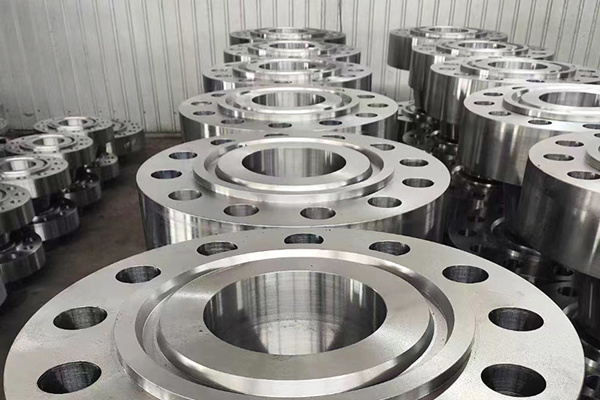
Flange blanks are typically forged to achieve the desired shape and density. After forging, machining processes such as turning, milling, and drilling are employed to create precise dimensions and surface finishes.
3.3 Heat Treatment
Post-manufacturing heat treatment processes enhance the mechanical properties of the flanges, ensuring they meet specific engineering standards.
3.4 Surface Treatment
Finally, various surface treatments, including coating and polishing, are applied to improve corrosion resistance and aesthetics.
4. Innovations in Materials Used for Weld Neck Flanges
Recent innovations in material science have significantly impacted the performance of weld neck flanges. Advanced alloys and composite materials are increasingly used to enhance durability and resistance to wear, corrosion, and extreme temperatures.
4.1 High-Performance Alloys
Alloys like Inconel and Hastelloy are becoming popular for their strength and resistance to high temperatures and harsh chemicals.
4.2 Composite Materials
The development of composite materials offers lightweight alternatives without compromising strength, making them suitable for various applications.
5. Advanced Welding Techniques in Flange Production
The welding process is vital in the production of weld neck flanges, and advancements in welding technology have revolutionized this aspect of manufacturing.
5.1 Automated Welding
Automated welding systems improve precision and consistency. Techniques like robotic welding ensure uniform weld quality and reduce human error.
5.2 Laser Welding
Laser welding provides high precision and can penetrate various materials, making it an attractive option for complex designs.
6. Automation and Robotics in Weld Neck Flange Manufacturing
Automation and robotics are transforming the manufacturing landscape. By integrating automation technologies, manufacturers can achieve higher efficiency and lower production costs.
6.1 Smart Manufacturing
Smart manufacturing techniques, including Internet of Things (IoT) devices, enable real-time monitoring of production processes, leading to proactive maintenance and improved operational efficiency.
6.2 Robotics in Material Handling
Robots streamline material handling, reducing labor costs and minimizing the risk of injury in manufacturing environments.
7. Quality Control Measures in Flange Production
Quality control is paramount in weld neck flange manufacturing. Implementing rigorous testing protocols ensures that each flange meets industry standards.
7.1 Non-Destructive Testing (NDT)
NDT methods, such as ultrasonic testing and radiography, are employed to detect internal and external flaws without damaging the product.
7.2 Certification and Standards Compliance
Manufacturers must adhere to international standards like ASME and ASTM, ensuring that their products are reliable and safe for use in critical applications.
8. The Future of Weld Neck Pipe Flange Technologies
As the industry continues to evolve, the future of weld neck pipe flange manufacturing looks promising. Emerging technologies, including additive manufacturing and advanced analytics, will likely play a significant role in shaping production processes.
8.1 Additive Manufacturing
3D printing has the potential to revolutionize flange production, allowing for rapid prototyping and customized designs at a fraction of the cost.
8.2 Data Analytics for Process Improvement
Big data analytics can optimize manufacturing processes by identifying inefficiencies and predicting maintenance needs, thus enhancing productivity.
9. Frequently Asked Questions (FAQs)
9.1 What are weld neck flanges used for?
Weld neck flanges are primarily used to connect pipes and equipment in high-pressure systems, providing a strong and reliable joint.
9.2 How are weld neck flanges manufactured?
Weld neck flanges are manufactured through a series of processes, including material selection, forging, machining, and welding.
9.3 What materials are commonly used for weld neck flanges?
Common materials include carbon steel, stainless steel, and various alloys designed for specific applications.
9.4 What advancements have been made in flange manufacturing?
Recent advancements include automated welding, smart manufacturing techniques, and the use of high-performance materials.
9.5 How is quality ensured in weld neck flange production?
Quality is ensured through rigorous testing protocols, adherence to international standards, and the use of non-destructive testing methods.
10. Conclusion
The advancements in weld neck pipe flange manufacturing are reshaping the industry, enhancing production efficiency, and ensuring the reliability of critical piping systems. As we continue to integrate innovative technologies and materials, the future holds exciting possibilities for the manufacturing of these essential components. Companies that embrace these changes will not only improve their operational efficiencies but also enhance the safety and reliability of their products in the market. The path forward is clear: embracing technology and innovation is the key to success in weld neck pipe flange manufacturing.
Key words:
RELATED INFORMATION


API 6A TYPE 6BX flanges and blinds in ANSI/API Spec 6A specification
API 6A TYPE 6BX Flanges and blinds are a wellhead connection assembly defined in ANSI/API Spec 6A for connecting piping systems and valve equipment between oil and gas wellheads.
2024-05-22


Service E-mail
After-sales complaint E-mail:
WhatsApp / Tel / Wechat:
Address
Mengcun, Cangzhou City, Hebei Province
To inquire about our products, please leave your email to us and we will contact you within 24 hours.
Our Main Products


Cangzhou Jieyue Pipe Fittings Manufacturing Co., Ltd. | Poweredby:300.cn | Privacy Policy
City list
Business License