Cangzhou Jieyue Pipe Fittings Manufacturing Co., Ltd.



Understanding Steel Pipe Elbow Joints: Essential Insights for Professionals in Construction and Decoration
2026-07-24
One of the primary purposes of a steel pipe elbow joint is to redirect piping at sharp angles, typically either 90 degrees or 45 degrees. This capability is vital in scenarios where space constraints and layout designs require a change in pipeline direction. The design of these elbows minimizes flow resistance and pressure drops, ensuring that systems operate efficiently.
Steel pipe elbow joints come in various types, including short radius and long radius elbows. Short radius elbows are ideal for compact spaces where a tight turn is necessary, while long radius elbows are preferred for applications where minimizing turbulence and pressure loss is a priority. Selecting the appropriate type of elbow joint is crucial for optimizing the performance of the entire piping system.
The manufacturing of steel pipe elbow joints typically involves processes like forging, casting, or machining, depending on the desired specifications and application requirements. Materials used can vary, with options like carbon steel, alloy steel, and stainless steel being popular choices. Each material has unique properties, including strength, corrosion resistance, and temperature tolerance, which should be considered based on the specific environment in which the joints will be used.
In the context of construction and decoration, steel pipe elbow joints are not only functional but can also enhance aesthetic appeal. They can be used in visible piping designs, contributing to the overall industrial style that is popular in modern architecture. By blending functionality with design, professionals can create spaces that are both practical and visually appealing.
Moreover, regular maintenance of steel pipe elbow joints is essential to ensure their longevity and performance. Issues such as rust, corrosion, and wear can significantly impact their effectiveness, leading to leaks and system failures. Routine inspections and timely replacements can help mitigate these risks, ensuring that piping systems remain safe and functional.
In conclusion, understanding steel pipe elbow joints is vital for professionals in the construction and decoration industries. By recognizing their types, functions, and maintenance needs, industry experts can make better decisions, optimize pipeline systems, and enhance the overall quality of their projects. As piping systems continue to evolve, staying informed about the latest trends and technologies related to steel pipe elbow joints will be crucial for success in this field.
Key words:
RELATED INFORMATION
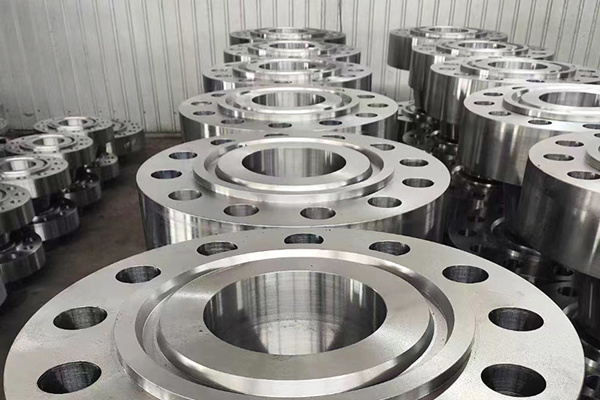
API 6A TYPE 6BX flanges and blinds in ANSI/API Spec 6A specification
2024-05-22
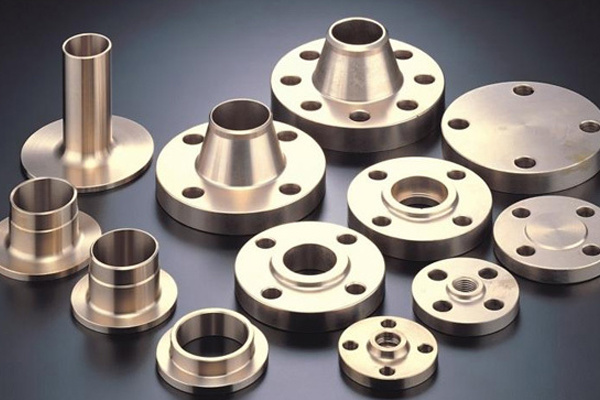
The Essential Guide to Carbon Steel Plate Flanges in Construction and Decoration
2024-05-22



Service E-mail
After-sales complaint E-mail:
WhatsApp / Tel / Wechat:
Address
Mengcun, Cangzhou City, Hebei Province
To inquire about our products, please leave your email to us and we will contact you within 24 hours.
Our Main Products


Cangzhou Jieyue Pipe Fittings Manufacturing Co., Ltd. | Poweredby:300.cn | Privacy Policy
City list