Cangzhou Jieyue Pipe Fittings Manufacturing Co., Ltd.



The Essential Guide to Pipe Elbow Joints in Construction and Decoration
2026-07-12
Pipe elbow joints are essential for several reasons. They help maintain the flow of fluids and gases through pipes by providing a smooth transition between different directions. This smooth transition reduces turbulence and pressure loss, which is vital for the overall efficiency of plumbing and HVAC systems. When planning a construction project, understanding the different types of pipe elbow joints and their applications can significantly enhance the effectiveness of the installation.
There are primarily two types of pipe elbow joints: the long-radius elbow and the short-radius elbow. The long-radius elbow is typically used in applications where a gradual change in direction is needed, which helps in minimizing pressure loss. Conversely, the short-radius elbow is more suitable for spaces with tight constraints, where swift directional changes are required, even though it may lead to higher pressure drop due to increased turbulence.
Selecting the right pipe elbow joint also involves considering the material of the pipes being used. Common materials for pipe elbows include PVC, metal, and CPVC, each with its set of advantages and applications. For example, PVC pipe elbows are lightweight and resistant to corrosion, making them ideal for water systems. On the other hand, metal elbows, such as those made from stainless steel, offer higher strength and durability, suitable for high-pressure applications.
Another essential consideration is the installation technique. Proper installation of pipe elbow joints is critical to ensure leak-free and efficient operation. It is advisable to follow industry standards and best practices during installation, which may include using appropriate adhesives or welding techniques for different materials. Regular maintenance checks are necessary to identify any wear or leaks in the elbow joints, which can prevent significant issues down the line.
In conclusion, pipe elbow joints play an indispensable role in the construction and decoration materials sector, impacting the performance and efficiency of piping systems. By understanding their types, materials, proper installation methods, and maintenance, professionals in the industry can ensure the reliability and longevity of their pipe systems. Whether you are a contractor, builder, or designer, paying attention to these details can lead to successful project outcomes and satisfied clients.
Key words:
RELATED INFORMATION
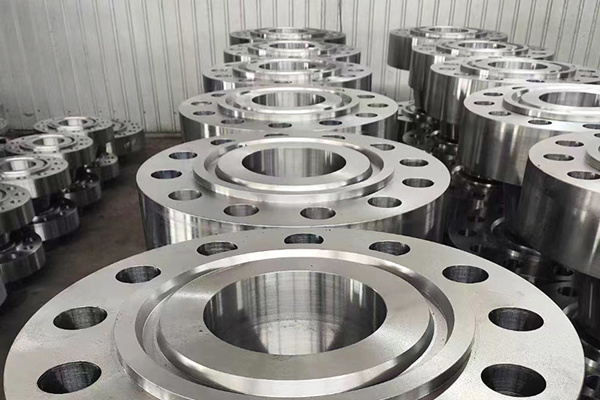
API 6A TYPE 6BX flanges and blinds in ANSI/API Spec 6A specification
2024-05-22
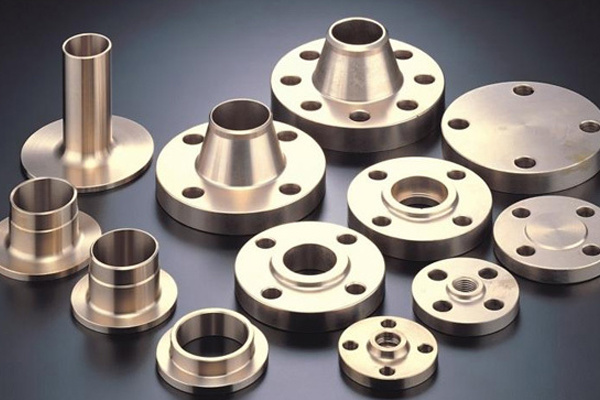
The Essential Guide to Carbon Steel Plate Flanges in Construction and Decoration
2024-05-22



Service E-mail
After-sales complaint E-mail:
WhatsApp / Tel / Wechat:
Address
Mengcun, Cangzhou City, Hebei Province
To inquire about our products, please leave your email to us and we will contact you within 24 hours.
Our Main Products


Cangzhou Jieyue Pipe Fittings Manufacturing Co., Ltd. | Poweredby:300.cn | Privacy Policy
City list