Understanding Steel Pipe Elbow Joints: Essential Insights for Professionals
2026-07-08
Steel pipe elbow joints are essential components in piping systems, facilitating the change of direction in fluid transport. Their design and construction are crucial for ensuring the efficient and leak-free operation of various applications, including plumbing, heating, and industrial processes. Understanding the characteristics and types of steel pipe elbow joints can significantly enhance the e
Steel pipe elbow joints are essential components in piping systems, facilitating the change of direction in fluid transport. Their design and construction are crucial for ensuring the efficient and leak-free operation of various applications, including plumbing, heating, and industrial processes. Understanding the characteristics and types of steel pipe elbow joints can significantly enhance the effectiveness of your projects.
One of the primary functions of an elbow joint is to allow for a smooth transition in the flow of liquids and gases. This is particularly important in environments where directional changes are frequent. Steel elbow joints are manufactured in several angles, with 45-degree and 90-degree elbows being the most common. The choice of angle can affect flow rates and pressure drops, making it imperative to select the right type for your specific needs.
When it comes to materials, steel elbows are favored for their strength and durability. They can withstand high pressures and temperatures, making them suitable for a wide range of applications. Additionally, steel's resistance to corrosion, especially when galvanized or coated, extends the lifespan of the piping system. This durability is essential in construction and decoration materials, where longevity is a key factor.
There are two primary types of steel pipe elbows: welded and threaded. Welded elbows are typically used in high-pressure applications, as they provide a more robust connection that minimizes the risk of leaks. On the other hand, threaded elbows are easier to install and can be disassembled for maintenance, making them a popular choice in residential plumbing systems.
Another crucial consideration when selecting steel pipe elbow joints is the wall thickness. The thickness varies depending on the application requirements and the overall design of the piping system. Thicker walls provide greater strength and resistance to internal pressure, while thinner walls can be more cost-effective for less demanding applications.
Additionally, professionals should be aware of industry standards and certifications applicable to steel pipe elbow joints. Compliance with these standards ensures that the elbows meet specific performance criteria, which is essential for maintaining safety and efficiency in construction projects.
In conclusion, steel pipe elbow joints are a vital component in the construction and decoration materials industry. Understanding their functions, types, and material properties is essential for professionals looking to optimize their piping systems. By selecting the appropriate elbow joint, you can ensure a reliable and efficient flow of fluids in your projects, ultimately contributing to the overall success of your construction endeavors.
One of the primary functions of an elbow joint is to allow for a smooth transition in the flow of liquids and gases. This is particularly important in environments where directional changes are frequent. Steel elbow joints are manufactured in several angles, with 45-degree and 90-degree elbows being the most common. The choice of angle can affect flow rates and pressure drops, making it imperative to select the right type for your specific needs.
When it comes to materials, steel elbows are favored for their strength and durability. They can withstand high pressures and temperatures, making them suitable for a wide range of applications. Additionally, steel's resistance to corrosion, especially when galvanized or coated, extends the lifespan of the piping system. This durability is essential in construction and decoration materials, where longevity is a key factor.
There are two primary types of steel pipe elbows: welded and threaded. Welded elbows are typically used in high-pressure applications, as they provide a more robust connection that minimizes the risk of leaks. On the other hand, threaded elbows are easier to install and can be disassembled for maintenance, making them a popular choice in residential plumbing systems.
Another crucial consideration when selecting steel pipe elbow joints is the wall thickness. The thickness varies depending on the application requirements and the overall design of the piping system. Thicker walls provide greater strength and resistance to internal pressure, while thinner walls can be more cost-effective for less demanding applications.
Additionally, professionals should be aware of industry standards and certifications applicable to steel pipe elbow joints. Compliance with these standards ensures that the elbows meet specific performance criteria, which is essential for maintaining safety and efficiency in construction projects.
In conclusion, steel pipe elbow joints are a vital component in the construction and decoration materials industry. Understanding their functions, types, and material properties is essential for professionals looking to optimize their piping systems. By selecting the appropriate elbow joint, you can ensure a reliable and efficient flow of fluids in your projects, ultimately contributing to the overall success of your construction endeavors.
Key words:
RELATED INFORMATION
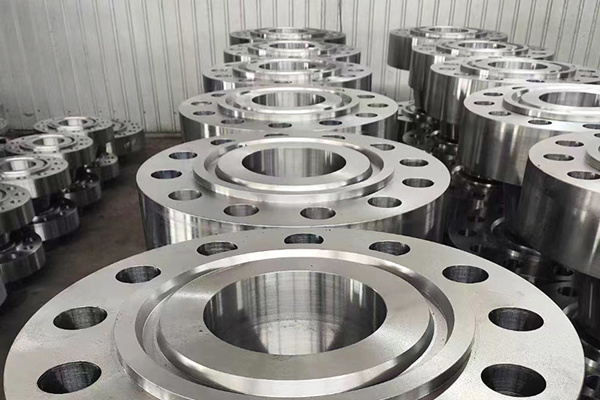
API 6A TYPE 6BX flanges and blinds in ANSI/API Spec 6A specification
API 6A TYPE 6BX Flanges and blinds are a wellhead connection assembly defined in ANSI/API Spec 6A for connecting piping systems and valve equipment between oil and gas wellheads.
2024-05-22
The Essential Guide to Carbon Steel Plate Flanges in Construction and Decoration
Carbon steel plate flanges are critical components in the construction and decoration materials sector, particularly in piping systems.
2024-05-22