Understanding Pipe Elbow Joints: Essential Components in Plumbing and Construction
2026-06-26
Pipe elbow joints are fittings that allow pipes to change direction, typically at angles of 90 or 45 degrees. These joints are essential in creating efficient piping layouts, enabling the seamless flow of liquids and gases while minimizing pressure loss and turbulence. Understanding the importance of pipe elbow joints can significantly enhance the overall performance of plumbing and drainage syste
Pipe elbow joints are fittings that allow pipes to change direction, typically at angles of 90 or 45 degrees. These joints are essential in creating efficient piping layouts, enabling the seamless flow of liquids and gases while minimizing pressure loss and turbulence. Understanding the importance of pipe elbow joints can significantly enhance the overall performance of plumbing and drainage systems.
One of the primary functions of pipe elbow joints is to navigate around obstacles or reconfigure the layout of existing piping. In construction projects, the ability to redirect pipes efficiently is crucial for maintaining the integrity of the structure and ensuring that all systems operate optimally. For instance, in a residential plumbing system, elbow joints are often used to guide water supply lines around walls and through ceilings, ensuring that water reaches all areas of the home.
There are several types of pipe elbow joints, each designed for specific applications. The most common types include:
1. **90-Degree Elbows**: These joints create a sharp turn, allowing pipes to make a quick change in direction. They are frequently used in both residential and industrial settings.
2. **45-Degree Elbows**: These provide a gentler turn compared to 90-degree elbows. This type is often preferred in systems where a gradual change in direction is necessary to minimize turbulence and pressure drop.
3. **Long and Short Radius Elbows**: Long-radius elbows have a larger radius of curvature, which is preferable in high-flow applications to reduce friction loss. Short-radius elbows, on the other hand, are compact and suitable for tight spaces but may cause higher pressure drops.
The material used for pipe elbow joints also plays a significant role in their performance. Common materials include PVC, metal, and stainless steel, each offering unique properties suited for different environments. For example, PVC elbows are lightweight and resistant to corrosion, making them ideal for residential water supply systems. In contrast, stainless steel elbows are commonly used in industrial applications where durability and resistance to high temperatures or chemicals are required.
In conclusion, pipe elbow joints are indispensable components in the plumbing and construction industries. Their ability to efficiently redirect flow not only enhances the functionality of piping systems but also contributes to the overall effectiveness of construction projects. By understanding the various types and applications of these joints, professionals can make informed decisions that lead to better system performance and longevity. Emphasizing the right choice of elbow joints in design and installation processes can ultimately lead to successful outcomes in any construction endeavor.
One of the primary functions of pipe elbow joints is to navigate around obstacles or reconfigure the layout of existing piping. In construction projects, the ability to redirect pipes efficiently is crucial for maintaining the integrity of the structure and ensuring that all systems operate optimally. For instance, in a residential plumbing system, elbow joints are often used to guide water supply lines around walls and through ceilings, ensuring that water reaches all areas of the home.
There are several types of pipe elbow joints, each designed for specific applications. The most common types include:
1. **90-Degree Elbows**: These joints create a sharp turn, allowing pipes to make a quick change in direction. They are frequently used in both residential and industrial settings.
2. **45-Degree Elbows**: These provide a gentler turn compared to 90-degree elbows. This type is often preferred in systems where a gradual change in direction is necessary to minimize turbulence and pressure drop.
3. **Long and Short Radius Elbows**: Long-radius elbows have a larger radius of curvature, which is preferable in high-flow applications to reduce friction loss. Short-radius elbows, on the other hand, are compact and suitable for tight spaces but may cause higher pressure drops.
The material used for pipe elbow joints also plays a significant role in their performance. Common materials include PVC, metal, and stainless steel, each offering unique properties suited for different environments. For example, PVC elbows are lightweight and resistant to corrosion, making them ideal for residential water supply systems. In contrast, stainless steel elbows are commonly used in industrial applications where durability and resistance to high temperatures or chemicals are required.
In conclusion, pipe elbow joints are indispensable components in the plumbing and construction industries. Their ability to efficiently redirect flow not only enhances the functionality of piping systems but also contributes to the overall effectiveness of construction projects. By understanding the various types and applications of these joints, professionals can make informed decisions that lead to better system performance and longevity. Emphasizing the right choice of elbow joints in design and installation processes can ultimately lead to successful outcomes in any construction endeavor.
Key words:
RELATED INFORMATION
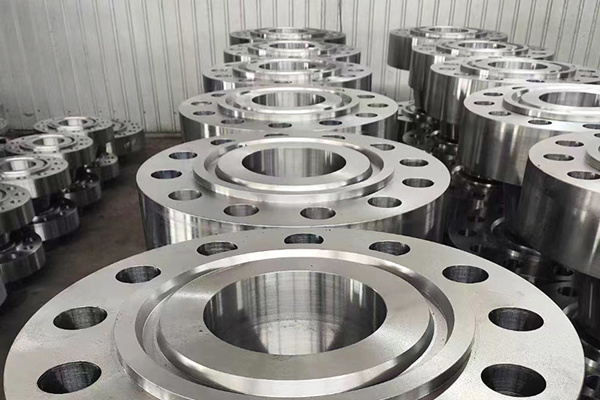
API 6A TYPE 6BX flanges and blinds in ANSI/API Spec 6A specification
API 6A TYPE 6BX Flanges and blinds are a wellhead connection assembly defined in ANSI/API Spec 6A for connecting piping systems and valve equipment between oil and gas wellheads.
2024-05-22
The Essential Guide to Carbon Steel Plate Flanges in Construction and Decoration
Carbon steel plate flanges are critical components in the construction and decoration materials sector, particularly in piping systems.
2024-05-22