Cangzhou Jieyue Pipe Fittings Manufacturing Co., Ltd.



Understanding Pipe Weld Flanges: Essential Insights for Professionals
2026-06-24
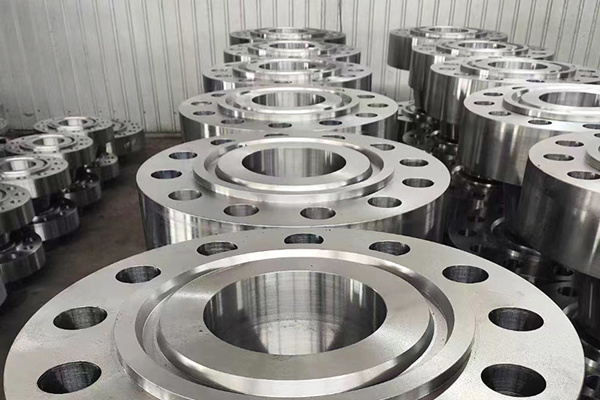
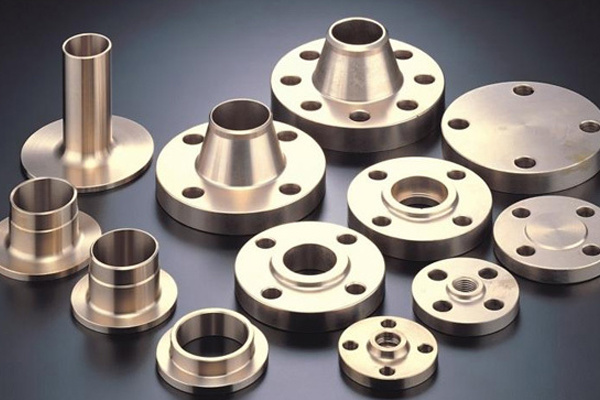
A pipe weld flange is designed to facilitate the secure attachment of pipes through welding. This method not only ensures a strong and durable connection but also minimizes the risk of leaks, making it especially useful in high-pressure applications. Various types of pipe weld flanges exist, including slip-on, blind, threaded, and socket weld flanges, each serving specific purposes and applications.
Slip-on flanges are one of the most commonly used types due to their ease of installation. They are placed over the pipe, allowing for a simple alignment and welding process. This type is particularly beneficial in situations where space is constrained. Conversely, blind flanges are used to seal the end of a piping system, providing a reliable barrier against leaks and environmental factors.
Threaded flanges, which use threads to connect to the pipe, are advantageous in applications where welding is not feasible. They provide a tight seal without the need for additional equipment, making them suitable for gas applications. On the other hand, socket weld flanges are ideal for small diameter pipes, allowing for a strong, smooth weld that minimizes turbulence.
When working with pipe weld flanges, professionals should consider several factors to ensure optimal performance. First, the material of the flange should match that of the pipe to prevent corrosion and ensure compatibility. Common materials include carbon steel, stainless steel, and various alloys, each chosen based on the application's pressure and temperature requirements.
Furthermore, proper installation techniques are vital. Ensuring that the flange is aligned correctly before welding reduces the risk of stress and potential failure in the connection. Post-weld inspection is also recommended to confirm the integrity of the weld and the overall system.
In conclusion, understanding the nuances of pipe weld flanges is essential for industry professionals. From the selection of the appropriate flange type to the execution of proper installation techniques, these components play a critical role in the reliability and efficiency of piping systems. By leveraging this knowledge, professionals can ensure safe and effective operations in their respective projects, contributing to the overall success of the construction and decorative materials industry.
Key words:
RELATED INFORMATION
API 6A TYPE 6BX flanges and blinds in ANSI/API Spec 6A specification
2024-05-22
The Essential Guide to Carbon Steel Plate Flanges in Construction and Decoration
2024-05-22



Service E-mail
After-sales complaint E-mail:
WhatsApp / Tel / Wechat:
Address
Mengcun, Cangzhou City, Hebei Province
To inquire about our products, please leave your email to us and we will contact you within 24 hours.
Our Main Products


Cangzhou Jieyue Pipe Fittings Manufacturing Co., Ltd. | Poweredby:300.cn | Privacy Policy
City list