Understanding Steel Pipe Elbow Joints: Essential Insights for Construction Professionals
2026-06-22
Steel pipe elbow joints are fundamental components in piping systems, particularly in the construction and decoration materials sector. They are designed to change the direction of the flow within a pipeline, allowing for fluid or gas to navigate around obstacles or shift in direction. Understanding the specifications and applications of steel pipe elbow joints is crucial for professionals involve
Steel pipe elbow joints are fundamental components in piping systems, particularly in the construction and decoration materials sector. They are designed to change the direction of the flow within a pipeline, allowing for fluid or gas to navigate around obstacles or shift in direction. Understanding the specifications and applications of steel pipe elbow joints is crucial for professionals involved in plumbing, HVAC, and various construction projects.
Typically, steel pipe elbow joints come in various angles, primarily 45 degrees and 90 degrees, depending on the requirements of the piping layout. The choice between these angles is determined by the desired flow path and space constraints. For instance, a 90-degree elbow is commonly used for sharp turns, while a 45-degree elbow provides a gentler bend, which can reduce pressure loss in the system.
The manufacturing process of steel pipe elbow joints usually involves techniques such as forging, bending, or casting, ensuring they can withstand high pressures and temperatures. The durability and strength of these joints make them suitable for various applications, including hydraulic systems, chemical processing plants, and even residential plumbing. Furthermore, the material composition often includes carbon steel, stainless steel, or alloy steel, each offering different advantages based on the environment and application.
In terms of installation, proper alignment and securing of steel pipe elbow joints are critical to prevent leaks and ensure the efficiency of the entire piping system. Professionals must adhere to specific guidelines and standards to achieve optimal results. Additionally, considerations such as pipe diameter, wall thickness, and the type of fluids conveyed can impact the selection of the elbow joint.
Moreover, regular maintenance and inspection of steel pipe elbow joints are essential to identify signs of wear, corrosion, or damage. This proactive approach can prevent costly repairs and ensure the longevity of the piping system, ultimately contributing to the overall efficiency of the infrastructure.
In summary, steel pipe elbow joints are indispensable elements in the construction and decoration materials industry. Their ability to facilitate directional flow in piping systems makes them essential for various applications. By understanding their characteristics, installation techniques, and maintenance requirements, professionals can enhance their effectiveness and ensure the reliability of their piping systems. Whether in a complex industrial setup or a simple residential application, knowledge of steel pipe elbow joints plays a pivotal role in achieving successful project outcomes.
Typically, steel pipe elbow joints come in various angles, primarily 45 degrees and 90 degrees, depending on the requirements of the piping layout. The choice between these angles is determined by the desired flow path and space constraints. For instance, a 90-degree elbow is commonly used for sharp turns, while a 45-degree elbow provides a gentler bend, which can reduce pressure loss in the system.
The manufacturing process of steel pipe elbow joints usually involves techniques such as forging, bending, or casting, ensuring they can withstand high pressures and temperatures. The durability and strength of these joints make them suitable for various applications, including hydraulic systems, chemical processing plants, and even residential plumbing. Furthermore, the material composition often includes carbon steel, stainless steel, or alloy steel, each offering different advantages based on the environment and application.
In terms of installation, proper alignment and securing of steel pipe elbow joints are critical to prevent leaks and ensure the efficiency of the entire piping system. Professionals must adhere to specific guidelines and standards to achieve optimal results. Additionally, considerations such as pipe diameter, wall thickness, and the type of fluids conveyed can impact the selection of the elbow joint.
Moreover, regular maintenance and inspection of steel pipe elbow joints are essential to identify signs of wear, corrosion, or damage. This proactive approach can prevent costly repairs and ensure the longevity of the piping system, ultimately contributing to the overall efficiency of the infrastructure.
In summary, steel pipe elbow joints are indispensable elements in the construction and decoration materials industry. Their ability to facilitate directional flow in piping systems makes them essential for various applications. By understanding their characteristics, installation techniques, and maintenance requirements, professionals can enhance their effectiveness and ensure the reliability of their piping systems. Whether in a complex industrial setup or a simple residential application, knowledge of steel pipe elbow joints plays a pivotal role in achieving successful project outcomes.
Key words:
RELATED INFORMATION
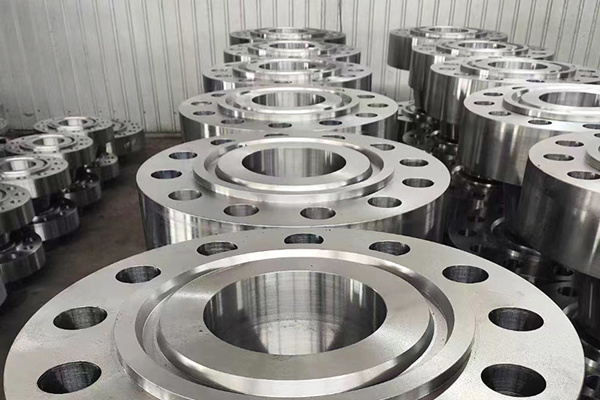
API 6A TYPE 6BX flanges and blinds in ANSI/API Spec 6A specification
API 6A TYPE 6BX Flanges and blinds are a wellhead connection assembly defined in ANSI/API Spec 6A for connecting piping systems and valve equipment between oil and gas wellheads.
2024-05-22
The Essential Guide to Carbon Steel Plate Flanges in Construction and Decoration
Carbon steel plate flanges are critical components in the construction and decoration materials sector, particularly in piping systems.
2024-05-22