Understanding Steel Pipe Elbows: Key Components for Efficient Piping Systems
2026-06-20
Steel pipe elbows are integral components in piping systems, widely utilized in the construction and decorative materials sector. They facilitate the change of direction in piping, ensuring the efficient flow of fluids, gases, or other materials. Understanding the various types of steel pipe elbows, their applications, and the benefits they offer is crucial for professionals in this field.
There a
Steel pipe elbows are integral components in piping systems, widely utilized in the construction and decorative materials sector. They facilitate the change of direction in piping, ensuring the efficient flow of fluids, gases, or other materials. Understanding the various types of steel pipe elbows, their applications, and the benefits they offer is crucial for professionals in this field.
There are several types of steel pipe elbows based on their angles and designs. The most common angles are 45 and 90 degrees, corresponding to the change in direction they create. A 90-degree elbow provides a sharp turn, making it ideal for compact installations, while a 45-degree elbow offers a more gradual turn, reducing flow resistance and turbulence. Additionally, there are also long radius and short radius elbows, which refer to the distance from the centerline of the pipe to the elbow’s center. Long radius elbows are preferred for applications requiring smoother flow and lower pressure drops, while short radius elbows are suitable for spaces with limited room.
The applications of steel pipe elbows are vast and can be found in numerous sectors, including water supply systems, oil and gas pipelines, HVAC systems, and chemical processing plants. Their ability to change the flow direction effectively makes them indispensable in designing a coherent piping system. Moreover, in the construction field, steel pipe elbows are often used in plumbing and drainage systems, ensuring that water is efficiently transported and managed.
One of the significant benefits of using steel pipe elbows is their durability. Steel, as a material, offers high strength and resistance to various environmental factors, including corrosion and temperature changes. This durability ensures a longer lifespan for the piping system, reducing the need for frequent replacements or repairs. Additionally, steel pipe elbows can handle high pressure, making them suitable for critical applications where reliability is paramount.
When selecting steel pipe elbows for a project, professionals should consider factors such as the type of fluid being transported, the operating temperature and pressure, and the specific space requirements of the installation. Proper selection not only enhances system efficiency but also contributes to the safety and longevity of the piping infrastructure.
In conclusion, steel pipe elbows are crucial components that significantly impact the performance of piping systems in the construction and decorative materials industry. By understanding their types, applications, and benefits, professionals can make informed decisions that lead to more efficient and effective piping solutions.
There are several types of steel pipe elbows based on their angles and designs. The most common angles are 45 and 90 degrees, corresponding to the change in direction they create. A 90-degree elbow provides a sharp turn, making it ideal for compact installations, while a 45-degree elbow offers a more gradual turn, reducing flow resistance and turbulence. Additionally, there are also long radius and short radius elbows, which refer to the distance from the centerline of the pipe to the elbow’s center. Long radius elbows are preferred for applications requiring smoother flow and lower pressure drops, while short radius elbows are suitable for spaces with limited room.
The applications of steel pipe elbows are vast and can be found in numerous sectors, including water supply systems, oil and gas pipelines, HVAC systems, and chemical processing plants. Their ability to change the flow direction effectively makes them indispensable in designing a coherent piping system. Moreover, in the construction field, steel pipe elbows are often used in plumbing and drainage systems, ensuring that water is efficiently transported and managed.
One of the significant benefits of using steel pipe elbows is their durability. Steel, as a material, offers high strength and resistance to various environmental factors, including corrosion and temperature changes. This durability ensures a longer lifespan for the piping system, reducing the need for frequent replacements or repairs. Additionally, steel pipe elbows can handle high pressure, making them suitable for critical applications where reliability is paramount.
When selecting steel pipe elbows for a project, professionals should consider factors such as the type of fluid being transported, the operating temperature and pressure, and the specific space requirements of the installation. Proper selection not only enhances system efficiency but also contributes to the safety and longevity of the piping infrastructure.
In conclusion, steel pipe elbows are crucial components that significantly impact the performance of piping systems in the construction and decorative materials industry. By understanding their types, applications, and benefits, professionals can make informed decisions that lead to more efficient and effective piping solutions.
Key words:
RELATED INFORMATION
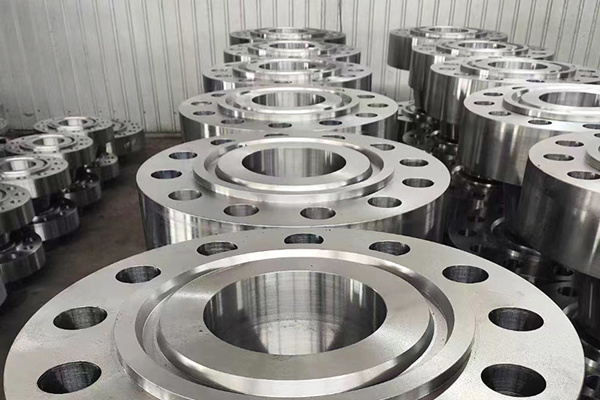
API 6A TYPE 6BX flanges and blinds in ANSI/API Spec 6A specification
API 6A TYPE 6BX Flanges and blinds are a wellhead connection assembly defined in ANSI/API Spec 6A for connecting piping systems and valve equipment between oil and gas wellheads.
2024-05-22
The Essential Guide to Carbon Steel Plate Flanges in Construction and Decoration
Carbon steel plate flanges are critical components in the construction and decoration materials sector, particularly in piping systems.
2024-05-22