The Importance of Pipe Elbow Joints in Building and Construction Materials
2026-06-18
In the realm of construction and decorative materials, the pipe elbow joint plays a crucial role in ensuring the efficient flow of fluids within piping systems. These joints, which are designed to change the direction of pipes, are vital components in various applications ranging from plumbing to industrial systems. Understanding the technical nuances of pipe elbow joints can enhance system perfor
In the realm of construction and decorative materials, the pipe elbow joint plays a crucial role in ensuring the efficient flow of fluids within piping systems. These joints, which are designed to change the direction of pipes, are vital components in various applications ranging from plumbing to industrial systems. Understanding the technical nuances of pipe elbow joints can enhance system performance and reliability.
Pipe elbow joints come in various angles, with the most common being 45-degree and 90-degree elbows. The choice of angle significantly influences the flow characteristics of the system. A 90-degree elbow, for example, can create more turbulence and pressure loss compared to a 45-degree elbow, which allows for smoother transitions in the piping network. Therefore, when designing a piping system, it is essential to consider the elbow joint's angle to optimize flow efficiency.
These elbows can be made from various materials, including PVC, stainless steel, and carbon steel, each offering distinct advantages depending on the application. For instance, PVC elbows are often favored in residential plumbing due to their resistance to corrosion and ease of installation, while stainless steel elbows are preferred in industrial applications for their durability and strength under high pressures.
The installation of pipe elbow joints also requires careful consideration. It is crucial to ensure that the joints are properly aligned and securely fastened to prevent leaks and maintain system integrity. Additionally, understanding the thermal expansion properties of the materials used is vital, as temperature fluctuations can cause stress on the joints, potentially leading to failure.
Regular maintenance and inspection of pipe elbow joints are also essential to ensure long-term reliability. Over time, joints may experience wear and tear due to factors such as corrosion, pressure fluctuations, and temperature changes. Identifying signs of damage early on can prevent costly repairs and system downtimes.
In conclusion, the pipe elbow joint is an indispensable element in the architecture of piping systems within the building and decorative materials industry. By understanding the various types, materials, and installation considerations of elbow joints, professionals can make informed decisions that enhance the performance and longevity of their piping systems. Proper selection and maintenance of these joints not only ensure efficient fluid flow but also contribute to the overall safety and effectiveness of construction projects.
Pipe elbow joints come in various angles, with the most common being 45-degree and 90-degree elbows. The choice of angle significantly influences the flow characteristics of the system. A 90-degree elbow, for example, can create more turbulence and pressure loss compared to a 45-degree elbow, which allows for smoother transitions in the piping network. Therefore, when designing a piping system, it is essential to consider the elbow joint's angle to optimize flow efficiency.
These elbows can be made from various materials, including PVC, stainless steel, and carbon steel, each offering distinct advantages depending on the application. For instance, PVC elbows are often favored in residential plumbing due to their resistance to corrosion and ease of installation, while stainless steel elbows are preferred in industrial applications for their durability and strength under high pressures.
The installation of pipe elbow joints also requires careful consideration. It is crucial to ensure that the joints are properly aligned and securely fastened to prevent leaks and maintain system integrity. Additionally, understanding the thermal expansion properties of the materials used is vital, as temperature fluctuations can cause stress on the joints, potentially leading to failure.
Regular maintenance and inspection of pipe elbow joints are also essential to ensure long-term reliability. Over time, joints may experience wear and tear due to factors such as corrosion, pressure fluctuations, and temperature changes. Identifying signs of damage early on can prevent costly repairs and system downtimes.
In conclusion, the pipe elbow joint is an indispensable element in the architecture of piping systems within the building and decorative materials industry. By understanding the various types, materials, and installation considerations of elbow joints, professionals can make informed decisions that enhance the performance and longevity of their piping systems. Proper selection and maintenance of these joints not only ensure efficient fluid flow but also contribute to the overall safety and effectiveness of construction projects.
Key words:
RELATED INFORMATION
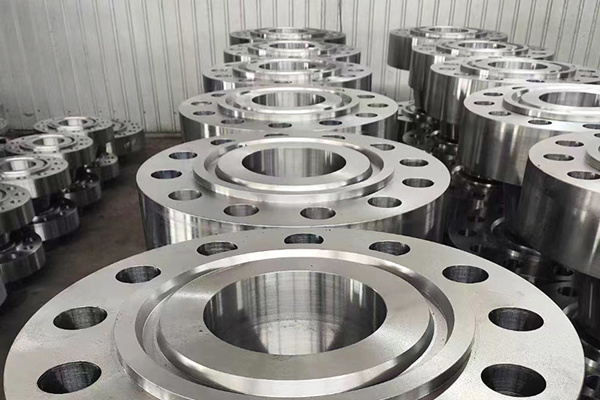
API 6A TYPE 6BX flanges and blinds in ANSI/API Spec 6A specification
API 6A TYPE 6BX Flanges and blinds are a wellhead connection assembly defined in ANSI/API Spec 6A for connecting piping systems and valve equipment between oil and gas wellheads.
2024-05-22
The Essential Guide to Carbon Steel Plate Flanges in Construction and Decoration
Carbon steel plate flanges are critical components in the construction and decoration materials sector, particularly in piping systems.
2024-05-22