Cangzhou Jieyue Pipe Fittings Manufacturing Co., Ltd.



Understanding Pipe Weld Flanges: A Comprehensive Guide for Construction and Decoration Materials
2026-06-12
In the construction and decoration materials industry, understanding the functionality and application of pipe weld flanges is crucial for ensuring the integrity and performance of piping systems. A pipe weld flange serves as a critical component that connects pipes to each other or to other equipment, providing a secure and leak-proof interface.
A flange is typically a flat piece of metal with holes drilled around its perimeter for bolts, allowing two flanged surfaces to be securely fastened together. Pipe weld flanges can be welded to the ends of pipes, creating a strong and permanent connection that can withstand significant pressure and stress. The welding process is essential, as it helps maintain the integrity of the connection, ensuring that it can handle the flow of liquids or gases without any leakage.
There are various types of pipe weld flanges, each designed for specific applications. The most common types include slip-on, blind, socket weld, and threaded flanges. Slip-on flanges are designed to slide over the pipe ends and are welded both inside and outside, providing a strong joint. Blind flanges, on the other hand, are solid and used to seal off the end of a piping system, preventing flow in that direction. Socket weld flanges are used for smaller pipe sizes and are designed to fit over the pipe, while threaded flanges involve screwing onto the pipe ends, making them ideal for areas where welding may not be feasible.
When selecting pipe weld flanges, it's essential to consider several factors to ensure optimal performance. The material of the flange should match the pipe's material to prevent galvanic corrosion. Additionally, the flange's pressure rating must align with the operating conditions of the system to ensure safety and reliability. It's also critical to consider the environmental conditions, such as temperature and exposure to chemicals, which can influence the type of flange material required.
Installation of pipe weld flanges requires careful attention to detail. Proper alignment during installation is crucial to prevent stress concentrations that could lead to failure. Additionally, ensuring that all surfaces are clean and free from debris is vital for achieving a strong weld.
In conclusion, pipe weld flanges are indispensable components in the construction and decoration materials industry, playing a pivotal role in the integrity of piping systems. Understanding their types, applications, and installation considerations can greatly enhance the durability and performance of your projects. Whether you are working on a new construction site or renovating existing structures, being knowledgeable about pipe weld flanges will support your efforts in creating reliable and efficient systems.
Key words:
RELATED INFORMATION
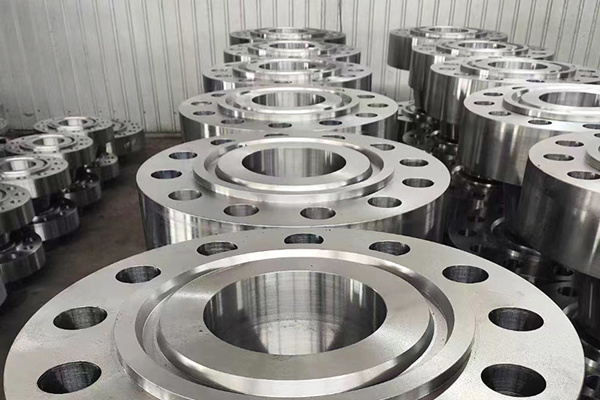
API 6A TYPE 6BX flanges and blinds in ANSI/API Spec 6A specification
2024-05-22
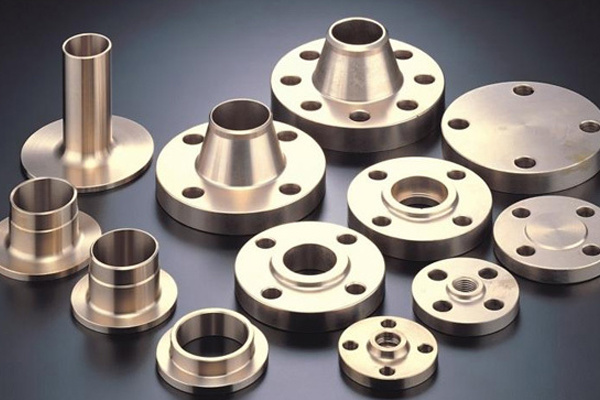
The Essential Guide to Carbon Steel Plate Flanges in Construction and Decoration
2024-05-22



Service E-mail
After-sales complaint E-mail:
WhatsApp / Tel / Wechat:
Address
Mengcun, Cangzhou City, Hebei Province
To inquire about our products, please leave your email to us and we will contact you within 24 hours.
Our Main Products


Cangzhou Jieyue Pipe Fittings Manufacturing Co., Ltd. | Poweredby:300.cn | Privacy Policy
City list