The Essential Guide to Steel Pipe Elbows in Construction and Decoration
2026-06-08
Steel pipe elbows are essential components in the building and decoration materials sector, particularly when it comes to piping systems. They are designed to connect two pipes at an angle, allowing the flow of liquids or gases to change direction smoothly. Typically available in various angles, such as 45 degrees and 90 degrees, these fittings facilitate efficient piping layouts in different appl
Steel pipe elbows are essential components in the building and decoration materials sector, particularly when it comes to piping systems. They are designed to connect two pipes at an angle, allowing the flow of liquids or gases to change direction smoothly. Typically available in various angles, such as 45 degrees and 90 degrees, these fittings facilitate efficient piping layouts in different applications, from residential plumbing to large-scale industrial systems.
One of the primary materials used in manufacturing steel pipe elbows is carbon steel, known for its strength and durability. This makes them suitable for a wide range of environments, including those subject to high pressure or extreme temperatures. Stainless steel elbows are also available, providing enhanced resistance to corrosion, making them ideal for projects requiring longevity and reliability.
When selecting steel pipe elbows, it’s crucial to consider several factors, including the type of piping system you’re working with, the intended use, and environmental conditions. For instance, in construction and decorative applications, the aesthetic finish may also be a concern, leading professionals to opt for polished stainless steel elbows that not only perform well but also add to the visual appeal of the system.
Installation of steel pipe elbows can be straightforward, but it requires careful measurement and alignment to ensure a proper fit. Misalignment can lead to leaks or pressure loss, which can compromise the entire system's efficiency. Professionals are encouraged to use appropriate tools and methods, including welding or threaded connections, depending on the elbow type and the specific requirements of the project.
In addition to functioning as directional connectors, steel pipe elbows can also contribute to reducing the risk of turbulence and pressure drops in fluid transfer systems. This is particularly important in high-performance applications where optimal flow rates are crucial. Choosing the right elbow type can enhance the overall efficiency of the piping system and extend its lifespan.
In summary, steel pipe elbows are vital in the construction and decoration industries, serving both functional and aesthetic purposes. Understanding their types, applications, and installation techniques can greatly benefit professionals involved in projects requiring effective piping solutions. By making informed decisions about the selection and use of steel pipe elbows, you can ensure the success of your construction and decoration endeavors.
One of the primary materials used in manufacturing steel pipe elbows is carbon steel, known for its strength and durability. This makes them suitable for a wide range of environments, including those subject to high pressure or extreme temperatures. Stainless steel elbows are also available, providing enhanced resistance to corrosion, making them ideal for projects requiring longevity and reliability.
When selecting steel pipe elbows, it’s crucial to consider several factors, including the type of piping system you’re working with, the intended use, and environmental conditions. For instance, in construction and decorative applications, the aesthetic finish may also be a concern, leading professionals to opt for polished stainless steel elbows that not only perform well but also add to the visual appeal of the system.
Installation of steel pipe elbows can be straightforward, but it requires careful measurement and alignment to ensure a proper fit. Misalignment can lead to leaks or pressure loss, which can compromise the entire system's efficiency. Professionals are encouraged to use appropriate tools and methods, including welding or threaded connections, depending on the elbow type and the specific requirements of the project.
In addition to functioning as directional connectors, steel pipe elbows can also contribute to reducing the risk of turbulence and pressure drops in fluid transfer systems. This is particularly important in high-performance applications where optimal flow rates are crucial. Choosing the right elbow type can enhance the overall efficiency of the piping system and extend its lifespan.
In summary, steel pipe elbows are vital in the construction and decoration industries, serving both functional and aesthetic purposes. Understanding their types, applications, and installation techniques can greatly benefit professionals involved in projects requiring effective piping solutions. By making informed decisions about the selection and use of steel pipe elbows, you can ensure the success of your construction and decoration endeavors.
Key words:
RELATED INFORMATION
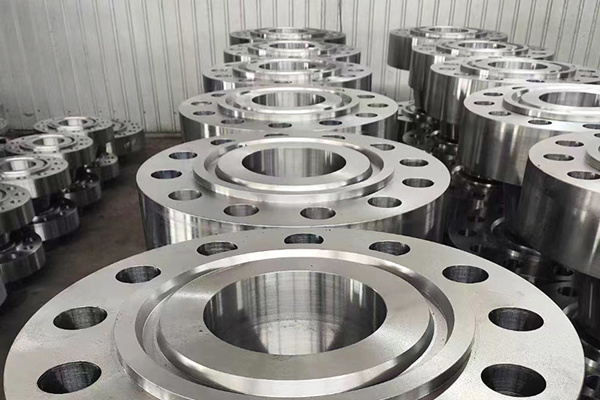
API 6A TYPE 6BX flanges and blinds in ANSI/API Spec 6A specification
API 6A TYPE 6BX Flanges and blinds are a wellhead connection assembly defined in ANSI/API Spec 6A for connecting piping systems and valve equipment between oil and gas wellheads.
2024-05-22
The Essential Guide to Carbon Steel Plate Flanges in Construction and Decoration
Carbon steel plate flanges are critical components in the construction and decoration materials sector, particularly in piping systems.
2024-05-22