Cangzhou Jieyue Pipe Fittings Manufacturing Co., Ltd.



Understanding Pipe Elbow Joints: Essential Components for Efficient Fluid Flow
2026-06-06
There are generally three main types of pipe elbow joints: 45-degree, 90-degree, and 180-degree elbows. Each type serves a specific purpose in directing the flow of liquids or gases through a piping system. The 90-degree elbow is the most commonly used, allowing for a sharp turn in the piping layout, while the 45-degree elbow provides a gentler turn, reducing pressure loss. The 180-degree elbow, also known as a return elbow, directs the flow back in the opposite direction, often used in looped systems.
One of the primary functions of elbow joints is to maintain a smooth flow of fluid, minimizing turbulence and pressure loss. Inadequate elbow designs or poorly placed joints can create bottlenecks, leading to inefficient system performance. Therefore, selecting the right type of elbow joint is integral to ensuring optimal flow characteristics in any piping system.
When considering the materials of pipe elbow joints, several options are available, including PVC, steel, and copper. Each material comes with unique properties that can influence the joint's performance, durability, and suitability for different applications. For instance, PVC elbows are lightweight and resistant to corrosion, making them ideal for chemical transport, while steel elbows are preferred for high-pressure systems due to their strength.
Installation techniques also play a vital role in the effectiveness of pipe elbow joints. Proper alignment and secure fittings are essential to prevent leaks and ensure that the system operates efficiently. Regular maintenance checks are advisable, as accumulated debris or wear can affect the performance of elbow joints, leading to potential system failures.
In summary, pipe elbow joints are essential elements in the architecture of fluid transport systems. Their correct selection, installation, and maintenance can significantly impact the overall efficiency and reliability of a piping setup. By understanding the various aspects of these joints, professionals in the construction and decoration materials industry can make informed decisions, ensuring the longevity and performance of their projects.
Key words:
RELATED INFORMATION
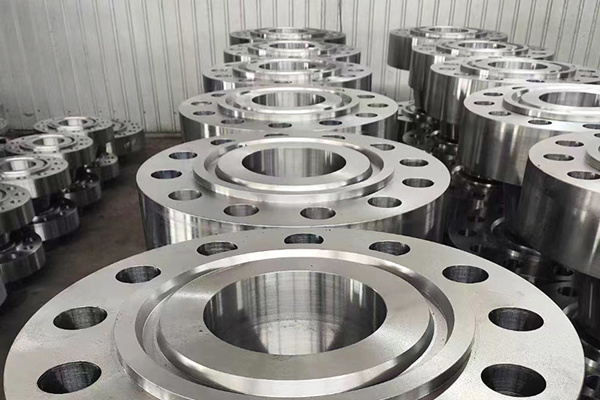
API 6A TYPE 6BX flanges and blinds in ANSI/API Spec 6A specification
2024-05-22
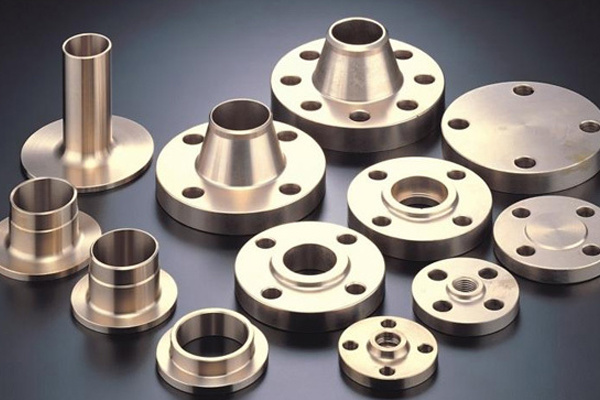
The Essential Guide to Carbon Steel Plate Flanges in Construction and Decoration
2024-05-22



Service E-mail
After-sales complaint E-mail:
WhatsApp / Tel / Wechat:
Address
Mengcun, Cangzhou City, Hebei Province
To inquire about our products, please leave your email to us and we will contact you within 24 hours.
Our Main Products


Cangzhou Jieyue Pipe Fittings Manufacturing Co., Ltd. | Poweredby:300.cn | Privacy Policy
City list