Cangzhou Jieyue Pipe Fittings Manufacturing Co., Ltd.



Understanding Pipe Weld Flanges: Essential Insights for Professionals
2026-06-04
Pipe weld flanges are typically made from various materials, including stainless steel, carbon steel, and alloy steel. The choice of material is essential, as it influences the flange's strength, corrosion resistance, and overall performance in specific environments. For instance, stainless steel flanges are preferred in corrosive environments, while carbon steel may be suitable for standard applications.
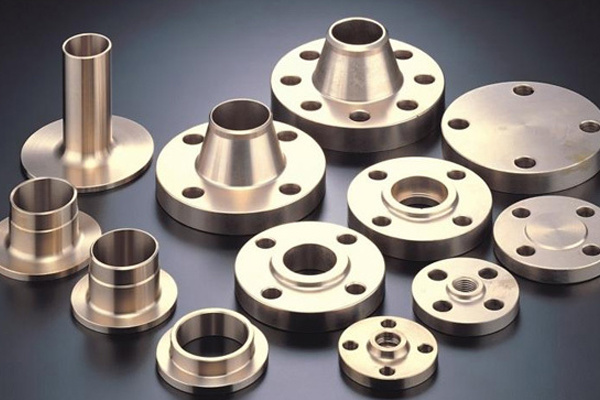
There are several types of pipe weld flanges, each designed for particular applications. The most common types include slip-on flanges, weld neck flanges, and blind flanges. Slip-on flanges are easy to install and are used where precise alignment is not critical. Weld neck flanges, on the other hand, are designed to be welded to the pipe's end, providing a robust connection ideal for high-pressure applications. Blind flanges are used to seal the end of a pipeline, preventing the flow of fluids.
Incorporating pipe weld flanges into your piping system requires careful consideration of several factors. First, the flange size must match the pipe diameter to ensure a perfect fit. Additionally, the pressure and temperature ratings of the flanges should align with the system's operational requirements. This alignment prevents leaks and ensures safety in high-stress environments.
Another important aspect is the proper installation of pipe weld flanges. This process typically involves aligning the flanges, using appropriate gaskets for sealing, and securely fastening them with bolts. Proper installation is essential for maintaining the integrity of the piping system and preventing leaks or failures.
Furthermore, regular inspections and maintenance of pipe weld flanges are advisable to identify wear or corrosion early. Keeping an eye on these components can extend the lifespan of your piping system and reduce the risk of costly repairs.
In summary, understanding pipe weld flanges is vital for professionals in the building and decorative materials industry. By choosing the right type, material, and installation method, you can ensure the longevity and reliability of your piping systems. Whether you are involved in design, installation, or maintenance, a solid grasp of pipe weld flanges will enhance your expertise and contribute to efficient project outcomes.
Key words:
RELATED INFORMATION
API 6A TYPE 6BX flanges and blinds in ANSI/API Spec 6A specification
2024-05-22
The Essential Guide to Carbon Steel Plate Flanges in Construction and Decoration
2024-05-22



Service E-mail
After-sales complaint E-mail:
WhatsApp / Tel / Wechat:
Address
Mengcun, Cangzhou City, Hebei Province
To inquire about our products, please leave your email to us and we will contact you within 24 hours.
Our Main Products


Cangzhou Jieyue Pipe Fittings Manufacturing Co., Ltd. | Poweredby:300.cn | Privacy Policy
City list