Cangzhou Jieyue Pipe Fittings Manufacturing Co., Ltd.



Understanding Steel Pipe Elbow Joints: Essential Insights for Construction Professionals
2026-06-02
One of the primary functions of steel pipe elbow joints is to redirect the flow of fluids within a system. They come in various angles, such as 45 degrees and 90 degrees, catering to different installation requirements. The selection of the appropriate angle is crucial for ensuring minimal resistance and optimal flow rates, thereby enhancing the overall efficiency of the piping system.
In terms of material properties, steel pipe elbow joints are renowned for their durability and strength. They can withstand high pressures and temperatures, making them suitable for a wide range of applications, including water supply systems, heating systems, and industrial processes. When selecting steel elbow joints, it’s important to consider factors such as the material grade, wall thickness, and the specific environmental conditions they will encounter.
Installation of steel pipe elbow joints requires precision and skill. Ensuring that each joint is properly aligned and securely fastened is vital to prevent leaks and maintain system performance. Professionals should be familiar with different joining methods, such as welding and threaded connections, to determine the best approach for their specific project needs.
Another key consideration is the compatibility of the elbow joints with other piping materials. Steel elbows can be paired with various types of pipes, including PVC, copper, and other metal alloys. However, attention must be paid to the connections to avoid galvanic corrosion, which can occur when dissimilar metals are in contact.
Regular maintenance is also important to ensure the longevity and functionality of steel pipe elbow joints. Inspecting for signs of wear, corrosion, or leakage can help identify potential issues before they escalate into significant problems. By instilling a routine maintenance schedule, construction professionals can enhance the reliability of their piping systems.
In conclusion, steel pipe elbow joints are vital components in the construction and decoration materials industry. Their ability to facilitate directional changes in piping systems, combined with their durability and strength, makes them indispensable for a wide array of applications. By understanding their features, installation methods, and maintenance requirements, construction professionals can ensure effective use of these joints in their projects, ultimately leading to successful outcomes.
Key words:
RELATED INFORMATION
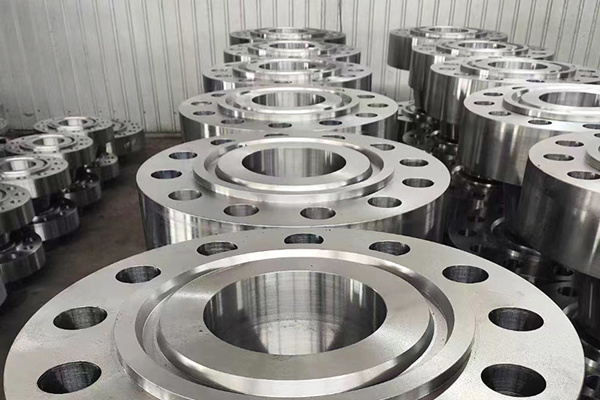
API 6A TYPE 6BX flanges and blinds in ANSI/API Spec 6A specification
2024-05-22
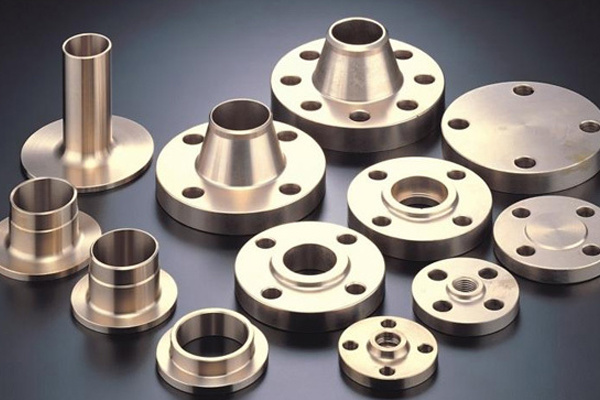
The Essential Guide to Carbon Steel Plate Flanges in Construction and Decoration
2024-05-22



Service E-mail
After-sales complaint E-mail:
WhatsApp / Tel / Wechat:
Address
Mengcun, Cangzhou City, Hebei Province
To inquire about our products, please leave your email to us and we will contact you within 24 hours.
Our Main Products


Cangzhou Jieyue Pipe Fittings Manufacturing Co., Ltd. | Poweredby:300.cn | Privacy Policy
City list