Understanding Pipe Elbow Joints: Essential Insights for Construction Professionals
2026-05-29
In the realm of construction and decorative materials, pipe elbow joints play a pivotal role in directing the flow of fluids in piping systems. These fittings allow for seamless transitions and redirections, making them essential components in various applications. An elbow joint typically comes in a range of angles, most commonly at 90 and 45 degrees, facilitating a change in direction for pipes
In the realm of construction and decorative materials, pipe elbow joints play a pivotal role in directing the flow of fluids in piping systems. These fittings allow for seamless transitions and redirections, making them essential components in various applications. An elbow joint typically comes in a range of angles, most commonly at 90 and 45 degrees, facilitating a change in direction for pipes in a way that minimizes turbulence and flow resistance.
One of the primary advantages of using pipe elbow joints lies in their ability to maintain the integrity of the piping system. By allowing for smooth directional changes, these fittings help reduce the risk of leaks that can occur due to sharp bends or excessive pressure build-up. Consequently, the longevity and efficiency of the piping system are significantly enhanced.
When selecting pipe elbow joints, professionals must consider the materials involved in their construction. Common materials include PVC, copper, and stainless steel, each offering distinct benefits depending on the intended application. For instance, PVC elbows are lightweight and resistant to corrosion, making them ideal for water and drainage systems, while stainless steel elbows are often preferred in high-pressure or high-temperature applications due to their durability and strength.
Installation of pipe elbow joints requires careful attention to detail to ensure proper alignment and secure fittings. It's essential to follow manufacturer specifications and industry best practices to avoid misalignment, which can lead to potential system failures. Professionals should also be mindful of the sealing methods employed, as this can significantly impact the overall effectiveness of the joint. Utilizing thread sealants, welding, or solvent cement can provide additional security and prevent leaks.
Another important aspect to consider is the potential for maintenance and replacement. Regular inspections of pipe elbow joints can help identify any signs of wear or damage, allowing for timely interventions that can prevent larger issues down the line. Being proactive about maintenance not only helps in avoiding costly repairs but also ensures the efficiency of the entire piping system.
In conclusion, understanding the functionality and application of pipe elbow joints is crucial for construction professionals. Their ability to facilitate smooth transitions in piping systems directly impacts the overall performance and reliability of fluid transport. By selecting the appropriate materials, ensuring proper installation, and maintaining regular inspections, professionals can harness the full potential of these essential fittings, thereby enhancing the integrity and longevity of their projects.
One of the primary advantages of using pipe elbow joints lies in their ability to maintain the integrity of the piping system. By allowing for smooth directional changes, these fittings help reduce the risk of leaks that can occur due to sharp bends or excessive pressure build-up. Consequently, the longevity and efficiency of the piping system are significantly enhanced.
When selecting pipe elbow joints, professionals must consider the materials involved in their construction. Common materials include PVC, copper, and stainless steel, each offering distinct benefits depending on the intended application. For instance, PVC elbows are lightweight and resistant to corrosion, making them ideal for water and drainage systems, while stainless steel elbows are often preferred in high-pressure or high-temperature applications due to their durability and strength.
Installation of pipe elbow joints requires careful attention to detail to ensure proper alignment and secure fittings. It's essential to follow manufacturer specifications and industry best practices to avoid misalignment, which can lead to potential system failures. Professionals should also be mindful of the sealing methods employed, as this can significantly impact the overall effectiveness of the joint. Utilizing thread sealants, welding, or solvent cement can provide additional security and prevent leaks.
Another important aspect to consider is the potential for maintenance and replacement. Regular inspections of pipe elbow joints can help identify any signs of wear or damage, allowing for timely interventions that can prevent larger issues down the line. Being proactive about maintenance not only helps in avoiding costly repairs but also ensures the efficiency of the entire piping system.
In conclusion, understanding the functionality and application of pipe elbow joints is crucial for construction professionals. Their ability to facilitate smooth transitions in piping systems directly impacts the overall performance and reliability of fluid transport. By selecting the appropriate materials, ensuring proper installation, and maintaining regular inspections, professionals can harness the full potential of these essential fittings, thereby enhancing the integrity and longevity of their projects.
Key words:
RELATED INFORMATION
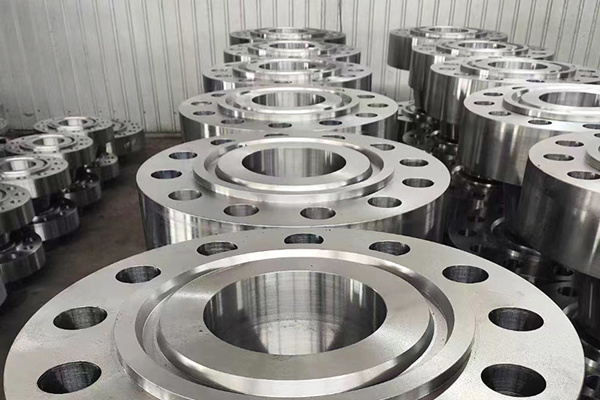
API 6A TYPE 6BX flanges and blinds in ANSI/API Spec 6A specification
API 6A TYPE 6BX Flanges and blinds are a wellhead connection assembly defined in ANSI/API Spec 6A for connecting piping systems and valve equipment between oil and gas wellheads.
2024-05-22
The Essential Guide to Carbon Steel Plate Flanges in Construction and Decoration
Carbon steel plate flanges are critical components in the construction and decoration materials sector, particularly in piping systems.
2024-05-22