Cangzhou Jieyue Pipe Fittings Manufacturing Co., Ltd.



Understanding Pipe Weld Flanges: Key Features and Applications
2026-05-27
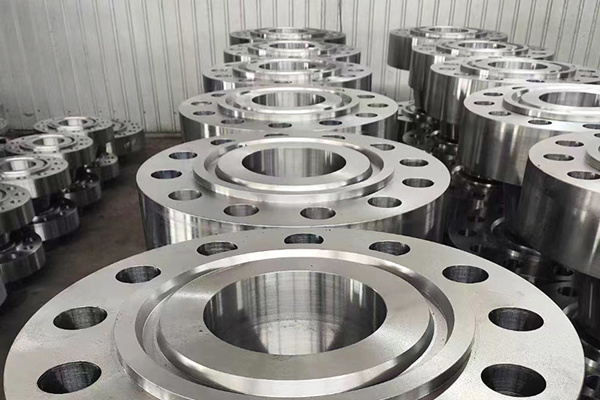
Pipe weld flanges are typically made of durable materials such as stainless steel, carbon steel, or alloy metals, ensuring they can withstand high pressures and extreme temperatures. Their design often includes a flat surface with a raised or recessed area, enabling a tight seal when welded to the pipe ends. This welded connection provides excellent strength, making them suitable for both high-pressure and high-temperature applications.
One of the primary advantages of using a pipe weld flange is the ability to create a reliable and leak-proof joint. During installation, the flange is welded directly to the pipe, eliminating the need for additional sealing materials. This feature is particularly beneficial in industries such as oil and gas, chemical processing, and water treatment, where the integrity of joints is crucial for preventing leaks and maintaining safety.
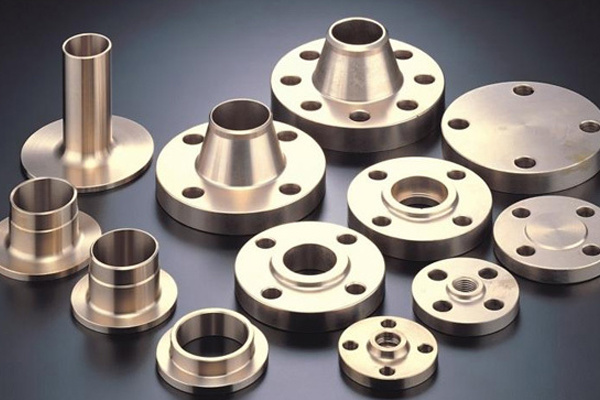
Another important aspect of pipe weld flanges is their versatility. They come in various sizes, shapes, and pressure ratings, allowing them to be customized for specific applications. Common types of weld flanges include slip-on, blind, socket weld, and threaded flanges, each designed to meet different operational requirements. When selecting the appropriate type of pipe weld flange for a project, factors such as the fluid type, pressure, temperature, and environmental conditions must be considered.
In addition to their functional benefits, pipe weld flanges also contribute to the overall aesthetic of a piping system. In decorative applications, these flanges can be designed to complement the visual appeal of the surrounding environment. The ability to customize finishes and designs makes them an attractive choice for both industrial and architectural projects.
When it comes to installation, proper alignment and welding techniques are paramount to ensure the strength and durability of the joint. It is advisable to consult with professionals who have experience in welding and piping systems to achieve optimal results. Regular inspection and maintenance of welded connections are also recommended to detect any potential issues early, thus prolonging the lifespan of the piping system.
In conclusion, understanding pipe weld flanges is essential for anyone involved in construction and decorative materials. Their robust design, versatility, and aesthetic potential make them a valuable asset in various applications. Whether you are working on a large-scale industrial project or a smaller decorative installation, pipe weld flanges offer reliability and performance that can enhance the overall success of your project.
Key words:
RELATED INFORMATION
API 6A TYPE 6BX flanges and blinds in ANSI/API Spec 6A specification
2024-05-22
The Essential Guide to Carbon Steel Plate Flanges in Construction and Decoration
2024-05-22



Service E-mail
After-sales complaint E-mail:
WhatsApp / Tel / Wechat:
Address
Mengcun, Cangzhou City, Hebei Province
To inquire about our products, please leave your email to us and we will contact you within 24 hours.
Our Main Products


Cangzhou Jieyue Pipe Fittings Manufacturing Co., Ltd. | Poweredby:300.cn | Privacy Policy
City list