Cangzhou Jieyue Pipe Fittings Manufacturing Co., Ltd.



Understanding Steel Pipe Elbow Joints: Essential Components for Your Construction Needs
2026-05-13
Steel pipe elbow joints are critical components in various piping systems, particularly within the construction and building sector. These fittings are designed to change the direction of fluid flow in pipelines, allowing for greater flexibility and efficiency in system design. Understanding the functionality, types, and applications of steel pipe elbow joints can greatly enhance the effectiveness of your plumbing and HVAC systems.
Elbow joints are typically categorized by their angles, with the most common being 45-degree and 90-degree elbows. The choice between these angles often depends on the specific requirements of the pipeline layout. For example, a 90-degree elbow is frequently used when a sharp turn is necessary, while a 45-degree elbow is preferred for more gradual changes in direction, which can help reduce turbulence in the flow of liquids or gases.
Additionally, steel pipe elbow joints are available in various materials, with steel being a popular choice due to its strength and durability. Steel elbows can withstand high pressures and temperatures, making them suitable for a range of applications, from municipal water systems to industrial piping. Their resilience against corrosion and wear also contributes to the longevity of the systems they are integrated into.
In terms of installation, steel pipe elbow joints are relatively straightforward to use. They can be welded or threaded to connect with other pipes, allowing for a secure and leak-proof system. Proper installation is crucial, as incorrect fittings can lead to significant issues, including leaks or reduced flow efficiency. Therefore, ensuring that the elbows are compatible with the pipe size and type is essential for optimal performance.
Beyond their functional role, steel pipe elbow joints contribute to the overall efficiency of piping systems. By allowing for more intricate designs and layouts, they can help reduce the need for additional fittings and minimize pressure drops within the system. This efficiency not only conserves energy but also lowers operational costs over time.
In conclusion, steel pipe elbow joints play a vital role in the infrastructure of construction and decorative materials. Their ability to facilitate directional changes in piping systems enhances both the performance and longevity of these systems. Understanding the types, applications, and installation practices of steel pipe elbow joints is essential for professionals in the industry, as it ensures the creation of safe, efficient, and effective plumbing and HVAC systems. By choosing the right elbow joint for your specific needs, you can improve the functionality and reliability of your projects, ultimately leading to more successful outcomes.
Key words:
RELATED INFORMATION
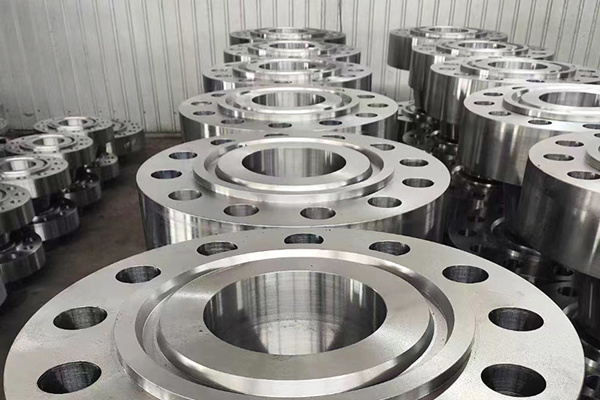
API 6A TYPE 6BX flanges and blinds in ANSI/API Spec 6A specification
2024-05-22

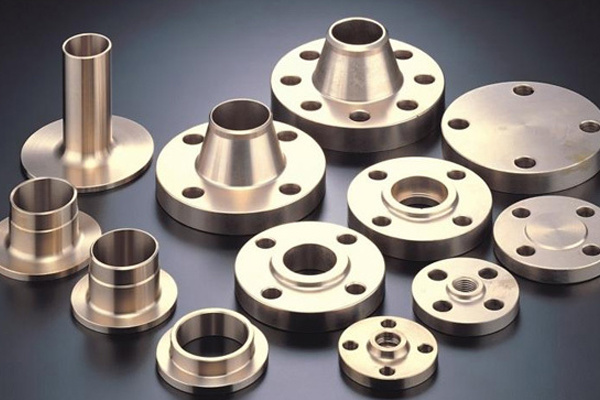
The Essential Guide to Carbon Steel Plate Flanges in Construction and Decoration
2024-05-22


Service E-mail
After-sales complaint E-mail:
WhatsApp / Tel / Wechat:
Address
Mengcun, Cangzhou City, Hebei Province
To inquire about our products, please leave your email to us and we will contact you within 24 hours.
Our Main Products


Cangzhou Jieyue Pipe Fittings Manufacturing Co., Ltd. | Poweredby:300.cn | Privacy Policy
City list