Cangzhou Jieyue Pipe Fittings Manufacturing Co., Ltd.



The Impact of Pipe Joint Fittings on Water Flow and Pressure: Understanding Their Role in Plumbing Efficiency
2026-05-04
The Impact of Pipe Joint Fittings on Water Flow and Pressure
Water flow and pressure are critical components of any plumbing system, directly affecting its efficiency and functionality. Among the various elements that contribute to these factors, **pipe joint fittings** play a pivotal role. This comprehensive guide will delve into the intricate relationship between pipe joint fittings and their impact on water flow and pressure, providing insights that can help optimize plumbing systems for both residential and commercial applications.
Table of Contents
1. Understanding Pipe Joint Fittings
2. Types of Pipe Joint Fittings
- 2.1 Elbow Fittings
- 2.2 Tee Fittings
- 2.3 Coupling Fittings
- 2.4 Adapter Fittings
3. How Joint Fittings Affect Water Flow
4. The Role of Fittings in Pressure Maintenance
5. Choosing the Right Fittings for Optimal Performance
6. Installation Best Practices for Pipe Joint Fittings
7. Common Mistakes to Avoid When Using Pipe Fittings
8. Frequently Asked Questions
9. Conclusion
Understanding Pipe Joint Fittings
Pipe joint fittings are crucial components that connect two or more sections of piping in a plumbing system. They facilitate the smooth transfer of water, gas, or other fluids through various pathways while ensuring the integrity of the overall system. The performance of these fittings can significantly affect not only the **water flow rate** but also the **pressure** of the fluids traveling through them.
To optimize plumbing systems effectively, it is essential to grasp how these fittings work and their implications on water dynamics.
Types of Pipe Joint Fittings
Various types of pipe joint fittings serve different purposes in a plumbing system. Understanding these distinctions can help in selecting the best fittings for specific applications.
Elbow Fittings
Elbow fittings are used to change the direction of flow within a pipe system, typically at angles of 90 or 45 degrees. They are crucial in creating efficient routes for water movement, which can either enhance or hinder flow, depending on their design and placement.
Tee Fittings
Tee fittings are designed to allow for the branching of pipe systems, creating a 'T' shape that connects three sections of pipe. These fittings are essential for distributing water to different fixtures while maintaining adequate pressure across the system.
Coupling Fittings
Coupling fittings serve to connect two sections of pipe, effectively extending the length of the plumbing system. They can be either **permanent** or **removable**, impacting the system's maintenance and adaptability.
Adapter Fittings
Adapter fittings are used to link pipes of different sizes or materials. Their versatility makes them vital in complex plumbing systems, allowing for seamless transitions between varying pipe types.
How Joint Fittings Affect Water Flow
The design and installation of pipe joint fittings are significant factors influencing water flow. Each fitting type can introduce resistance, which may lead to a pressure drop. For instance, using a poorly designed elbow fitting can create turbulence, disrupting the smooth flow of water.
To maximize efficiency, it is essential to choose fittings that minimize flow restrictions. The smoother the transition between fittings, the less turbulence is created, which in turn maintains a higher flow rate.
The Role of Fittings in Pressure Maintenance
Maintaining consistent water pressure within a plumbing system is vital for ensuring optimal performance. Pipe joint fittings play a crucial role in this aspect by preventing leaks and ensuring that pressure is efficiently transmitted throughout the system.
Inadequate or incorrect fittings can lead to pressure loss, causing issues such as ineffective water delivery to fixtures or appliances. It’s essential to use fittings that are appropriately rated for the system's pressure requirements to prevent failures.
Choosing the Right Fittings for Optimal Performance
Selecting the right pipe joint fittings is crucial for enhancing water flow and pressure. Factors to consider include:
- **Material Compatibility:** Ensure that the fittings are compatible with the piping material to prevent corrosion and leaks.
- **Pressure Rating:** Choose fittings that can withstand the pressure requirements of your system.
- **Flow Characteristics:** Opt for fittings designed to minimize turbulence and resistance to flow.
Making informed choices will enhance the longevity and efficiency of your plumbing system.
Installation Best Practices for Pipe Joint Fittings
Proper installation techniques are essential to ensure that pipe joint fittings perform optimally. Consider the following best practices:
1. **Use the Right Tools:** Utilizing appropriate tools for cutting and joining pipes can prevent damage and ensure a tight fit.
2. **Follow Manufacturer Guidelines:** Each fitting type comes with specific installation instructions. Adhering to these can prevent common issues.
3. **Check for Leaks:** After installation, thoroughly inspect the fittings for leaks to ensure a secure connection.
By following best practices, the efficiency of water flow and pressure can be significantly improved.
Common Mistakes to Avoid When Using Pipe Fittings
Avoiding common pitfalls can further enhance plumbing system performance. Here are mistakes to watch for:
- **Using Wrong Fittings:** Employing fittings that are incompatible with the piping material can lead to leaks and pressure loss.
- **Neglecting Maintenance:** Regular inspection of fittings can prevent issues before they escalate.
- **Ignoring Pressure Ratings:** Using fittings rated for lower pressures than the system demands can lead to failures.
By being aware of these mistakes, one can improve the reliability and efficiency of water flow and pressure in plumbing systems.
Frequently Asked Questions
1. What are the most common types of pipe joint fittings?
The most common types include elbow fittings, tee fittings, coupling fittings, and adapter fittings, each serving different purposes in plumbing systems.
2. How do pipe joint fittings affect water pressure?
Pipe joint fittings can introduce resistance, potentially leading to pressure drops. Choosing the right fittings and ensuring proper installation can help maintain consistent pressure.
3. What materials are best for pipe fittings?
Common materials include PVC, copper, and brass. The best choice depends on the specific application and compatibility with existing pipes.
4. How can I prevent leaks in pipe fittings?
Ensure proper installation, use compatible materials, and regularly inspect fittings for signs of wear or damage to prevent leaks.
5. What should I consider when choosing fittings for my plumbing system?
Consider material compatibility, pressure ratings, and flow characteristics to ensure you select the right fittings for optimal performance.
Conclusion
Understanding the impact of pipe joint fittings on water flow and pressure is essential for anyone involved in plumbing. These fittings are not merely connectors; they are vital components that can greatly influence the performance and efficiency of a plumbing system. By selecting the appropriate fittings, adhering to best installation practices, and avoiding common mistakes, one can ensure optimal water flow and pressure, ultimately enhancing the longevity and reliability of plumbing systems. Emphasizing quality and compatibility when choosing pipe joint fittings will lead to a more efficient and effective plumbing environment.
Key words:
RELATED INFORMATION
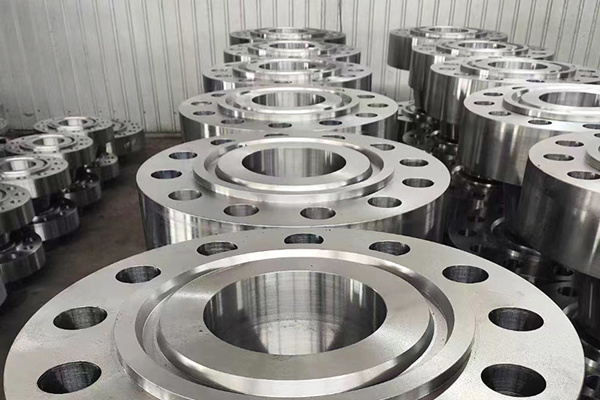
API 6A TYPE 6BX flanges and blinds in ANSI/API Spec 6A specification
2024-05-22

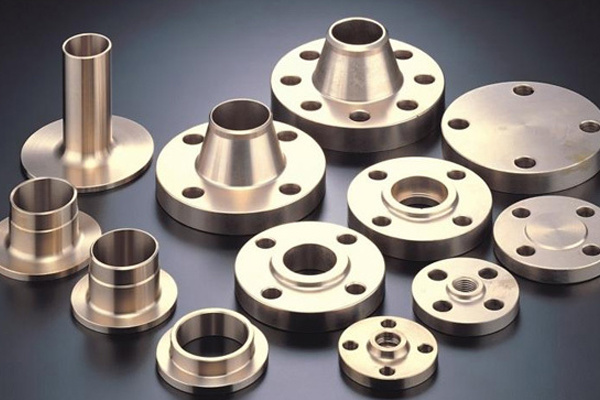
The Essential Guide to Carbon Steel Plate Flanges in Construction and Decoration
2024-05-22


Service E-mail
After-sales complaint E-mail:
WhatsApp / Tel / Wechat:
Address
Mengcun, Cangzhou City, Hebei Province
To inquire about our products, please leave your email to us and we will contact you within 24 hours.
Our Main Products


Cangzhou Jieyue Pipe Fittings Manufacturing Co., Ltd. | Poweredby:300.cn | Privacy Policy
City list