Cangzhou Jieyue Pipe Fittings Manufacturing Co., Ltd.



Choosing Between Plastic and Metal Elbow Pipe Fittings: A Comprehensive Guide
2026-04-22
Choosing Between Plastic and Metal Elbow Pipe Fittings: What You Need to Know
Table of Contents
- Understanding Elbow Pipe Fittings
- Types of Elbow Pipe Fittings
- Plastic vs. Metal Elbow Pipe Fittings
- Durability and Lifespan
- Cost Analysis of Elbow Pipe Fittings
- Applications and Uses of Elbow Pipe Fittings
- Environmental Impact of Both Options
- Maintenance and Repair Considerations
- Frequently Asked Questions
- Conclusion
Understanding Elbow Pipe Fittings
Elbow pipe fittings are essential components in piping systems, allowing for directional changes in the flow of liquids or gases. Their primary function is to redirect the flow at angles, typically 45 or 90 degrees. This capability is crucial in both residential and industrial plumbing systems, where optimal flow direction is often necessary to ensure efficiency and functionality.
Types of Elbow Pipe Fittings
There are primarily two types of elbow pipe fittings: plastic and metal. Each type has its specific characteristics and advantages suited for various projects.
Plastic Elbow Pipe Fittings
Plastic elbow fittings are typically made from materials such as PVC (polyvinyl chloride), CPVC (chlorinated polyvinyl chloride), and PEX (cross-linked polyethylene). They are known for their lightweight nature and resistance to corrosion.
Metal Elbow Pipe Fittings
On the other hand, metal elbow fittings are usually crafted from brass, copper, or stainless steel. These materials provide excellent durability and can handle higher pressure conditions, making them ideal for more demanding applications.
Plastic vs. Metal Elbow Pipe Fittings
When deciding between plastic and metal elbow pipe fittings, several factors come into play, including **durability**, **weight**, **corrosion resistance**, and **overall cost**.
Durability
**Metal elbow fittings** tend to boast superior durability when compared to their plastic counterparts. They can withstand extreme conditions, including high temperatures and pressures. In contrast, **plastic fittings** may degrade over time due to exposure to UV rays, particularly when used in outdoor applications.
Weight and Handling
One of the significant advantages of plastic fittings is their lightweight nature. This feature simplifies installation and handling, especially for DIY projects. **Metal fittings**, while heavier, come with the added benefit of sturdiness, which can be advantageous in specific applications.
Corrosion Resistance
**Plastic elbow fittings** shine in their resistance to corrosion, making them suitable for environments where moisture is prevalent. **Metal fittings**, however, can corrode when exposed to certain chemicals or moisture without proper coatings or finishes.
Durability and Lifespan
The lifespan of elbow pipe fittings is inherently tied to the materials used. **Plastic fittings**, depending on the specific type, generally last between 10 to 50 years, while **metal fittings** can last significantly longer, often exceeding 50 years with proper care and maintenance.
Cost Analysis of Elbow Pipe Fittings
Cost is a critical factor for many when choosing between plastic and metal elbow fittings.
Initial Costs
**Plastic fittings** tend to have a lower initial cost, making them attractive for budget-conscious projects. **Metal fittings**, while generally more expensive upfront, can offer longevity and reduced replacement costs over time.
Long-term Investment
When evaluating long-term costs, consider the durability and replacement frequency. Investing in **metal fittings** might yield cost savings in the long run, especially in applications requiring frequent use.
Applications and Uses of Elbow Pipe Fittings
Understanding the applications of each type of fitting can help guide your choice.
Plastic Elbow Fittings Applications
- **Residential plumbing** where lightweight and corrosion resistance are critical.
- **Irrigation systems** due to their flexibility and resistance to rot.
- **Pool installations**, which benefit from reduced corrosion.
Metal Elbow Fittings Applications
- **Industrial applications** that require higher pressure and temperature tolerances.
- **Heating systems**, where metal fittings can withstand high heat without risk of melting.
- **Chemical processing** industries where durability against harsh substances is necessary.
Environmental Impact of Both Options
When considering the environmental impact, both plastic and metal fittings have pros and cons.
Plastic Fittings
Plastic fittings may require more energy to produce, and their disposal can contribute to pollution unless recycled properly. However, innovations in biodegradable plastics are becoming available.
Metal Fittings
Metal fittings can be recycled, reducing their environmental footprint. However, the mining and processing of metals can be environmentally destructive if not managed responsibly.
Maintenance and Repair Considerations
Both types of fittings require different approaches to maintenance and repair.
Maintenance of Plastic Fittings
Plastic fittings are generally low maintenance but should be inspected regularly for signs of wear, especially in outdoor applications.
Maintenance of Metal Fittings
Metal fittings may require more upkeep to prevent corrosion and should be checked for leaks at joints and connections frequently.
Frequently Asked Questions
1. Are plastic elbow fittings as strong as metal ones?
**Plastic elbow fittings** are strong for their intended applications, but **metal fittings** typically provide greater strength and longevity, especially in high-pressure situations.
2. Can plastic fittings be used in hot water systems?
Certain types of **plastic fittings**, like CPVC, are suitable for hot water systems, but always check the manufacturer's specifications.
3. Is it possible to mix plastic and metal fittings in a plumbing system?
While mixing can be done, it’s essential to ensure compatibility and to avoid potential leaks at the connection points.
4. How do I determine the right size elbow fitting for my project?
Measure the diameter of the pipes you plan to connect, and select the fitting that matches those dimensions.
5. Can elbow fittings be reused?
While **metal fittings** can often be reused after inspection, **plastic fittings** are generally not recommended for reuse due to the risk of weakening.
Conclusion
Choosing between plastic and metal elbow pipe fittings ultimately depends on your specific needs, budget, and the application's requirements. By understanding the differences in durability, cost, applications, and environmental impacts, you can confidently select the right fittings for your project. Whether you prefer the lightweight convenience of plastic or the robust durability of metal, making an informed decision will ensure the longevity and efficiency of your plumbing system.
Key words:
RELATED INFORMATION
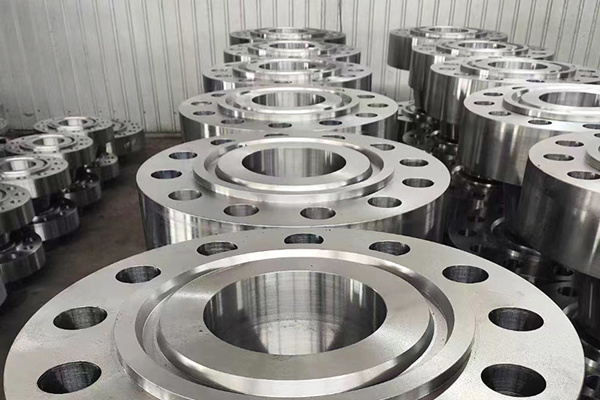
API 6A TYPE 6BX flanges and blinds in ANSI/API Spec 6A specification
2024-05-22

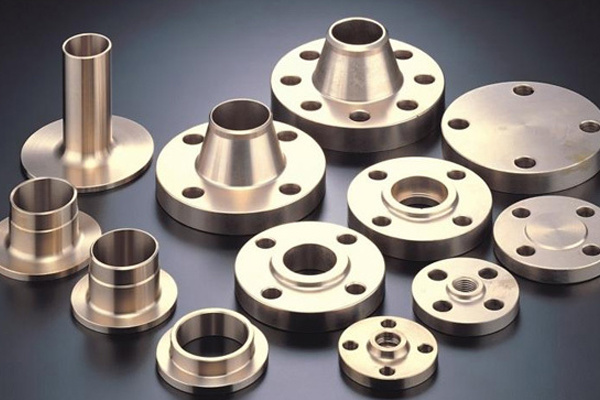
The Essential Guide to Carbon Steel Plate Flanges in Construction and Decoration
2024-05-22


Service E-mail
After-sales complaint E-mail:
WhatsApp / Tel / Wechat:
Address
Mengcun, Cangzhou City, Hebei Province
To inquire about our products, please leave your email to us and we will contact you within 24 hours.
Our Main Products


Cangzhou Jieyue Pipe Fittings Manufacturing Co., Ltd. | Poweredby:300.cn | Privacy Policy
City list