Cangzhou Jieyue Pipe Fittings Manufacturing Co., Ltd.



How Pipe Joint Fittings Enhance the Efficiency of Plumbing Systems
2026-04-18
How Pipe Joint Fittings Enhance the Efficiency of Plumbing Systems
Table of Contents
- 1. Introduction to Pipe Joint Fittings
- 2. Types of Pipe Joint Fittings
- 3. The Importance of Pipe Joint Fittings in Plumbing Systems
- 4. How Pipe Joint Fittings Improve Plumbing Efficiency
- 5. Common Materials Used in Pipe Joint Fittings
- 6. Installation and Maintenance Tips for Pipe Joint Fittings
- 7. Conclusion
- 8. Frequently Asked Questions (FAQs)
1. Introduction to Pipe Joint Fittings
In the realm of plumbing, **pipe joint fittings** serve as the essential connectors that ensure the smooth operation of a plumbing system. They play a pivotal role in maintaining the integrity of the plumbing infrastructure by enabling the connection between pipes, allowing for changes in direction, flow reduction, and overall system optimization. Understanding the significance of these fittings is crucial for both homeowners and professionals in the plumbing industry.
2. Types of Pipe Joint Fittings
Pipe joint fittings come in various shapes and sizes, each designed to fulfill specific roles within a plumbing system. Here, we explore some of the most common types:
2.1 Elbow Fittings
**Elbow fittings** are designed to change the direction of a pipe run. Available in 90-degree and 45-degree angles, these fittings are essential for navigating around obstacles and creating a seamless flow in plumbing systems. The right elbow fitting not only enhances the direction of flow but also minimizes pressure loss, ensuring efficient movement of water through the system.
2.2 Tee Fittings
**Tee fittings** allow for the branching of a pipe system. Shaped like the letter "T," these fittings enable water to flow in multiple directions, facilitating the distribution of water to different areas of a building. The strategic use of tee fittings can enhance water pressure and improve the overall efficiency of the plumbing system.
2.3 Coupling Fittings
**Coupling fittings** serve as connectors between two sections of pipe. They are vital in extending pipe lengths or repairing damaged sections. By providing a reliable connection, coupling fittings help maintain consistent water flow and pressure throughout the plumbing system.
2.4 Reducer Fittings
**Reducer fittings** are used to connect pipes of different diameters. This is particularly important for controlling water flow and pressure within a plumbing system. By properly utilizing reducer fittings, one can optimize the efficiency of the entire plumbing system, ensuring that water travels smoothly without unnecessary waste.
3. The Importance of Pipe Joint Fittings in Plumbing Systems
The significance of pipe joint fittings in plumbing cannot be overstated. They contribute to:
- **System Integrity**: Properly installed fittings prevent leaks, which can cause significant damage to property and increase water bills.
- **Flow Optimization**: Reduced bends and connections can lower friction and improve flow rates.
- **Maintenance**: Easy access to joints allows for simpler maintenance and repairs, minimizing downtime for systems.
Understanding their importance helps in designing more efficient plumbing systems that can handle the demands of modern-day usage.
4. How Pipe Joint Fittings Improve Plumbing Efficiency
The efficiency of a plumbing system hinges on several factors, including the choice and installation of pipe joint fittings. Here’s how these fittings enhance overall efficiency:
- **Minimized Pressure Loss**: Each fitting is designed to create smooth transitions in the flow of water. By choosing the right fittings, one can significantly reduce pressure loss, ensuring that water reaches its destination efficiently.
- **Enhanced Flow Rates**: Properly configured fittings allow for optimal flow rates, thus reducing the energy required for pumping water through the system.
- **Durability and Longevity**: High-quality fittings made from robust materials can withstand various pressures and temperatures, reducing the frequency of repairs or replacements.
- **Reduction of Water Waste**: Efficient fittings help prevent leaks and drips, contributing to water conservation efforts and lowered utility bills.
Efficient plumbing systems not only save money but also promote sustainable water usage.
5. Common Materials Used in Pipe Joint Fittings
The material used for pipe joint fittings greatly influences their performance and longevity. Common materials include:
- **PVC (Polyvinyl Chloride)**: Known for its affordability and resistance to corrosion, PVC is widely used in residential plumbing systems.
- **Copper**: Copper fittings are durable and have natural antibacterial properties, making them ideal for potable water systems.
- **Brass**: Brass fittings are highly resistant to corrosion and are often used in plumbing applications that require durability and strength.
- **Stainless Steel**: Used in high-pressure applications, stainless steel fittings offer excellent resistance to rust and corrosion.
Choosing the right material based on the specific application can greatly enhance the performance of plumbing systems.
6. Installation and Maintenance Tips for Pipe Joint Fittings
Proper installation and maintenance are crucial for maximizing the efficiency of pipe joint fittings:
- **Follow Manufacturer Guidelines**: Always adhere to the installation instructions provided by the manufacturer for optimal performance.
- **Use the Right Tools**: Ensure you have the correct tools for installation, such as wrenches and pipe cutters, to avoid damaging fittings.
- **Inspect Regularly**: Regular inspections can help identify potential leaks or weaknesses in fittings before they become significant issues.
- **Clean Fittings**: Keep fittings clean and free from debris to maintain optimal flow and prevent clogs.
By taking care of your pipe joint fittings, you can extend their lifespan and maintain the efficiency of your plumbing system.
7. Conclusion
In the intricate world of plumbing, **pipe joint fittings** play a vital role in enhancing system efficiency. By facilitating smooth transitions and connections between pipes, they ensure optimal water flow, reduced pressure loss, and minimal leaks. Understanding the various types of fittings, their materials, and the best installation practices can significantly enhance the performance of any plumbing system. As we strive for improved efficiency and sustainability, investing in quality pipe joint fittings is not just a necessity but a commitment to better plumbing practices.
8. Frequently Asked Questions (FAQs)
What are pipe joint fittings?
Pipe joint fittings are components used to connect two or more sections of pipe, allowing for changes in direction and flow within plumbing systems.
How do pipe joint fittings improve efficiency?
These fittings minimize pressure loss, enhance flow rates, and reduce water waste, contributing to more efficient plumbing systems.
What materials are commonly used for pipe joint fittings?
Common materials include PVC, copper, brass, and stainless steel, each offering unique benefits depending on the application.
How can I maintain my pipe joint fittings?
Regular inspections, cleaning, and following manufacturer guidelines during installation can help maintain the efficiency of your fittings.
Are there different types of pipe joint fittings for different applications?
Yes, there are various types of fittings such as elbow, tee, coupling, and reducer fittings, each designed for specific roles within a plumbing system.
By investing in the right pipe joint fittings and adhering to best practices in installation and maintenance, you ensure the longevity and efficiency of your plumbing system.
Key words:
RELATED INFORMATION
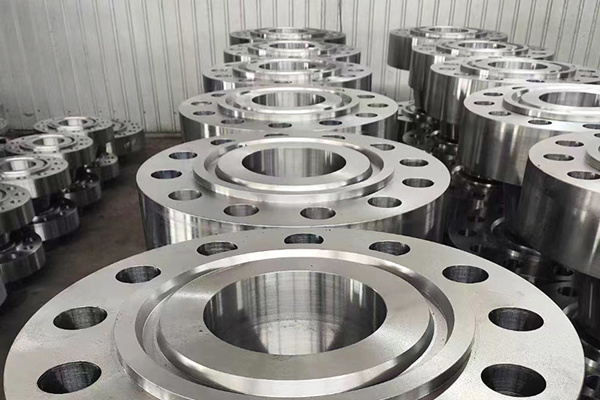
API 6A TYPE 6BX flanges and blinds in ANSI/API Spec 6A specification
2024-05-22

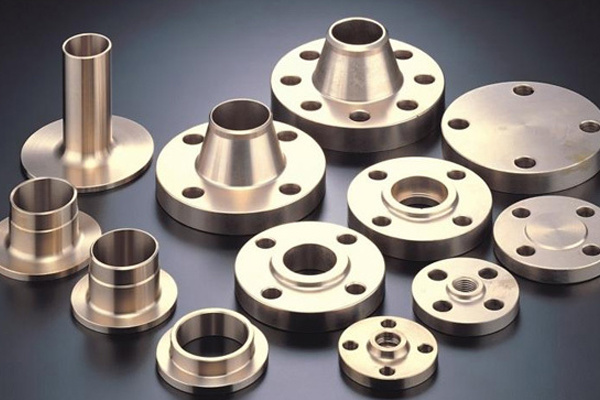
The Essential Guide to Carbon Steel Plate Flanges in Construction and Decoration
2024-05-22


Service E-mail
After-sales complaint E-mail:
WhatsApp / Tel / Wechat:
Address
Mengcun, Cangzhou City, Hebei Province
To inquire about our products, please leave your email to us and we will contact you within 24 hours.
Our Main Products


Cangzhou Jieyue Pipe Fittings Manufacturing Co., Ltd. | Poweredby:300.cn | Privacy Policy
City list