Cangzhou Jieyue Pipe Fittings Manufacturing Co., Ltd.



Understanding Steel Pipe Elbows: Essential Components in Construction and Decorative Materials
2026-04-13
Primarily, steel pipe elbows come in different angles, with the most common being 90-degree and 45-degree elbows. The selection of elbow type largely depends on the specific requirements of the installation. For instance, a 90-degree elbow is frequently employed for creating sharp turns in piping systems, while a 45-degree elbow is suited for more gradual directional changes. The choice of angle impacts both flow efficiency and space utilization, making it essential to select the appropriate elbow for a given application.
Another critical aspect to consider is the material used for steel pipe elbows. Steel elbows are typically manufactured from carbon steel, stainless steel, or alloy steel, each offering unique properties suited to different environments. Carbon steel elbows are known for their strength and durability, making them ideal for high-pressure applications. In contrast, stainless steel elbows offer excellent corrosion resistance, which is crucial in environments with moisture or chemical exposure. Understanding these material properties will help professionals select the right elbow for their specific project needs.
In addition to physical attributes, the installation process of steel pipe elbows should also be a consideration. Proper installation is crucial to ensure the longevity and reliability of a piping system. Professionals should always follow best practices, including correct alignment and secure fittings, to prevent leaks and potential failures down the line.
Steel pipe elbows serve various applications beyond just fluid transport. They are often used in HVAC systems, plumbing, and industrial processes, showcasing their versatility in both practical and decorative roles. In decorative contexts, aesthetics can also play a part, as some projects may require elbows that blend seamlessly with the overall design.
In conclusion, steel pipe elbows are vital components in the construction and decorative materials industry, offering versatility, strength, and reliability for various applications. By understanding the different types, materials, and installation best practices associated with these fittings, professionals can ensure they make the best choices for their projects. Incorporating the right steel pipe elbows can significantly enhance the performance and aesthetics of any piping system, making them an integral part of successful construction and decoration endeavors.
Key words:
RELATED INFORMATION
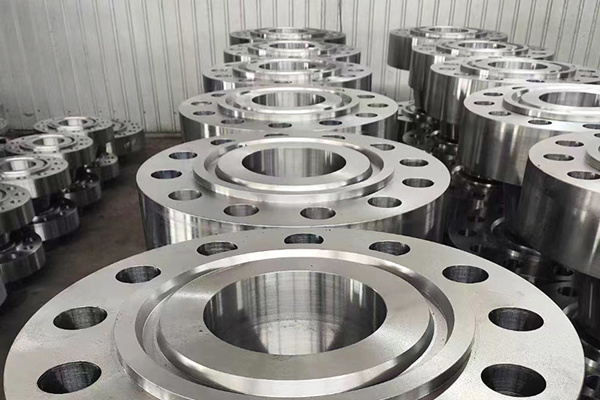
API 6A TYPE 6BX flanges and blinds in ANSI/API Spec 6A specification
2024-05-22

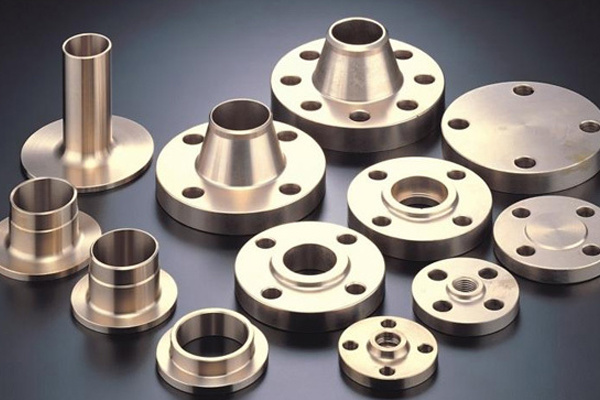
The Essential Guide to Carbon Steel Plate Flanges in Construction and Decoration
2024-05-22


Service E-mail
After-sales complaint E-mail:
WhatsApp / Tel / Wechat:
Address
Mengcun, Cangzhou City, Hebei Province
To inquire about our products, please leave your email to us and we will contact you within 24 hours.
Our Main Products


Cangzhou Jieyue Pipe Fittings Manufacturing Co., Ltd. | Poweredby:300.cn | Privacy Policy
City list