Understanding Pipe Elbow Joints: Essential Insights for Construction Professionals
2026-04-11
In the construction and decoration materials sector, the pipe elbow joint is an essential component for directing the flow of liquids and gases within various piping systems. These fittings are designed to change the direction of the piping, typically at angles of 45 or 90 degrees. Understanding the various aspects of pipe elbow joints is crucial for professionals in the industry to ensure optimal
In the construction and decoration materials sector, the pipe elbow joint is an essential component for directing the flow of liquids and gases within various piping systems. These fittings are designed to change the direction of the piping, typically at angles of 45 or 90 degrees. Understanding the various aspects of pipe elbow joints is crucial for professionals in the industry to ensure optimal installation and functionality.
One of the primary types of pipe elbow joints is the standard elbow, which comes in both long and short radius variants. Long radius elbows are preferred for high-velocity flows because they create less turbulence, while short radius elbows are often used in tight spaces where a sharper turn is required. Choosing the right type of elbow can significantly affect the efficiency of the system, particularly in applications involving water supply, drainage, and gas transportation.
Another important consideration is the material composition of the pipe elbow joint. They are commonly made from materials such as PVC, stainless steel, and carbon steel, each offering distinct advantages. For instance, PVC elbows are lightweight, resistant to corrosion, and ideal for residential plumbing, while stainless steel elbows provide durability and resistance to extreme temperatures, making them suitable for industrial applications.
Installation practices also play a vital role in the performance of pipe elbow joints. Proper alignment and secure fittings are essential to prevent leaks and system failures. Professionals should always ensure that the elbows are compatible with the piping material and are installed with the correct orientation to maintain flow efficiency.
In terms of applications, pipe elbow joints are utilized across various sectors, including residential plumbing, commercial construction, and industrial manufacturing. They are particularly important in HVAC systems, where they help manage airflow and maintain temperature control. Understanding the specific needs of your project will guide you in selecting the appropriate elbow joint to meet both performance and safety standards.
In addition to their functional advantages, pipe elbow joints also contribute to the aesthetic aspects of a project. In decorative applications, the visibility of these joints can be minimized through thoughtful design and layout. Using high-quality materials and finishes can enhance the overall appearance while ensuring the longevity and reliability of the installation.
In summary, pipe elbow joints are a fundamental element in the construction and decoration materials industry, influencing both the functionality and efficiency of piping systems. Understanding their types, materials, and installation techniques empowers professionals to make informed decisions that enhance the performance of their projects. By recognizing the pivotal role of pipe elbow joints, you can ensure that your construction endeavors are both reliable and efficient.
One of the primary types of pipe elbow joints is the standard elbow, which comes in both long and short radius variants. Long radius elbows are preferred for high-velocity flows because they create less turbulence, while short radius elbows are often used in tight spaces where a sharper turn is required. Choosing the right type of elbow can significantly affect the efficiency of the system, particularly in applications involving water supply, drainage, and gas transportation.
Another important consideration is the material composition of the pipe elbow joint. They are commonly made from materials such as PVC, stainless steel, and carbon steel, each offering distinct advantages. For instance, PVC elbows are lightweight, resistant to corrosion, and ideal for residential plumbing, while stainless steel elbows provide durability and resistance to extreme temperatures, making them suitable for industrial applications.
Installation practices also play a vital role in the performance of pipe elbow joints. Proper alignment and secure fittings are essential to prevent leaks and system failures. Professionals should always ensure that the elbows are compatible with the piping material and are installed with the correct orientation to maintain flow efficiency.
In terms of applications, pipe elbow joints are utilized across various sectors, including residential plumbing, commercial construction, and industrial manufacturing. They are particularly important in HVAC systems, where they help manage airflow and maintain temperature control. Understanding the specific needs of your project will guide you in selecting the appropriate elbow joint to meet both performance and safety standards.
In addition to their functional advantages, pipe elbow joints also contribute to the aesthetic aspects of a project. In decorative applications, the visibility of these joints can be minimized through thoughtful design and layout. Using high-quality materials and finishes can enhance the overall appearance while ensuring the longevity and reliability of the installation.
In summary, pipe elbow joints are a fundamental element in the construction and decoration materials industry, influencing both the functionality and efficiency of piping systems. Understanding their types, materials, and installation techniques empowers professionals to make informed decisions that enhance the performance of their projects. By recognizing the pivotal role of pipe elbow joints, you can ensure that your construction endeavors are both reliable and efficient.
Key words:
RELATED INFORMATION
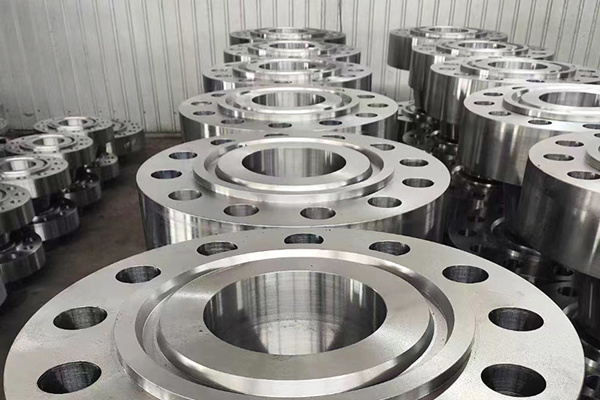
API 6A TYPE 6BX flanges and blinds in ANSI/API Spec 6A specification
API 6A TYPE 6BX Flanges and blinds are a wellhead connection assembly defined in ANSI/API Spec 6A for connecting piping systems and valve equipment between oil and gas wellheads.
2024-05-22
The Essential Guide to Carbon Steel Plate Flanges in Construction and Decoration
Carbon steel plate flanges are critical components in the construction and decoration materials sector, particularly in piping systems.
2024-05-22