Understanding Steel Pipe Elbow Joints: Essential Components for Construction and Decoration
2026-04-07
Steel pipe elbow joints are vital components used in various piping systems within construction and decoration applications. These joints are designed to change the direction of the pipe, allowing for flexibility in the layout of piping systems. Understanding the different types and applications of steel pipe elbow joints can significantly enhance the effectiveness and efficiency of your projects.
There are primarily two types of steel pipe elbow joints: 45-degree elbows and 90-degree elbows. The 45-degree elbow is used when a gradual change in direction is required, while the 90-degree elbow is utilized for a sharper turn. Each type serves a unique purpose depending on the specific requirements of the project. Additionally, there are also 180-degree elbows, which are used to create a complete U-turn in piping systems.
The materials used in manufacturing steel pipe elbow joints can vary, but they are generally made from carbon steel, stainless steel, or alloy steel. The choice of material depends on the application, the environment in which the pipes will be installed, and the specific requirements for strength and corrosion resistance. For example, stainless steel elbows are preferred in environments exposed to moisture and corrosive elements, while carbon steel elbows are often used in general piping applications.
When considering the installation of steel pipe elbow joints, it is essential to select the correct type and size to match the existing piping system. Proper installation is critical to ensure the joints function correctly and do not lead to leaks or pressure loss. Additionally, factors such as the fluid being transported, the temperature, and the pressure of the system should be taken into account during the selection process.
In terms of applications, steel pipe elbow joints are commonly used in various sectors, including oil and gas, water treatment, HVAC systems, and construction. They play a significant role in managing the flow of liquids and gases, ensuring that the systems operate efficiently. For instance, in an HVAC system, elbow joints help direct airflow, optimizing the performance of heating and cooling equipment.
In conclusion, steel pipe elbow joints are indispensable components in the construction and decoration industry, influencing the efficiency and effectiveness of piping systems. Understanding their types, materials, and applications is crucial for professionals seeking to enhance their projects. By carefully selecting and installing the appropriate elbow joints, you can ensure optimal performance and longevity in your piping systems.
There are primarily two types of steel pipe elbow joints: 45-degree elbows and 90-degree elbows. The 45-degree elbow is used when a gradual change in direction is required, while the 90-degree elbow is utilized for a sharper turn. Each type serves a unique purpose depending on the specific requirements of the project. Additionally, there are also 180-degree elbows, which are used to create a complete U-turn in piping systems.
The materials used in manufacturing steel pipe elbow joints can vary, but they are generally made from carbon steel, stainless steel, or alloy steel. The choice of material depends on the application, the environment in which the pipes will be installed, and the specific requirements for strength and corrosion resistance. For example, stainless steel elbows are preferred in environments exposed to moisture and corrosive elements, while carbon steel elbows are often used in general piping applications.
When considering the installation of steel pipe elbow joints, it is essential to select the correct type and size to match the existing piping system. Proper installation is critical to ensure the joints function correctly and do not lead to leaks or pressure loss. Additionally, factors such as the fluid being transported, the temperature, and the pressure of the system should be taken into account during the selection process.
In terms of applications, steel pipe elbow joints are commonly used in various sectors, including oil and gas, water treatment, HVAC systems, and construction. They play a significant role in managing the flow of liquids and gases, ensuring that the systems operate efficiently. For instance, in an HVAC system, elbow joints help direct airflow, optimizing the performance of heating and cooling equipment.
In conclusion, steel pipe elbow joints are indispensable components in the construction and decoration industry, influencing the efficiency and effectiveness of piping systems. Understanding their types, materials, and applications is crucial for professionals seeking to enhance their projects. By carefully selecting and installing the appropriate elbow joints, you can ensure optimal performance and longevity in your piping systems.
Key words:
RELATED INFORMATION
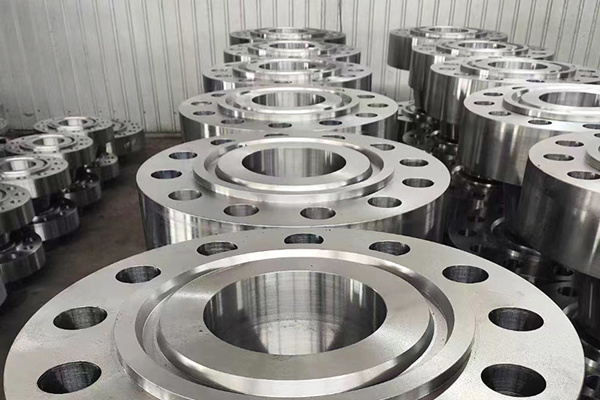
API 6A TYPE 6BX flanges and blinds in ANSI/API Spec 6A specification
API 6A TYPE 6BX Flanges and blinds are a wellhead connection assembly defined in ANSI/API Spec 6A for connecting piping systems and valve equipment between oil and gas wellheads.
2024-05-22
The Essential Guide to Carbon Steel Plate Flanges in Construction and Decoration
Carbon steel plate flanges are critical components in the construction and decoration materials sector, particularly in piping systems.
2024-05-22