Understanding Steel Pipe Elbows: A Key Component in Construction
2026-04-05
Steel pipe elbows are essential fittings used in various piping systems to change the direction of the flow. Their primary function is to facilitate smooth transitions between different pipeline sections, allowing for efficient movement of fluids and gases. In the construction industry, these components are extensively utilized due to their durability, strength, and versatility.
One of the primary
Steel pipe elbows are essential fittings used in various piping systems to change the direction of the flow. Their primary function is to facilitate smooth transitions between different pipeline sections, allowing for efficient movement of fluids and gases. In the construction industry, these components are extensively utilized due to their durability, strength, and versatility.
One of the primary reasons steel pipe elbows are favored in construction is their ability to withstand high pressure and temperature variations. They are typically manufactured from high-quality steel, making them resistant to corrosion and mechanical stress. This durability is critical in applications where reliability is a priority, such as in water supply, heating systems, and industrial processes.
When it comes to types of steel pipe elbows, there are several options available. The most common types include 90-degree and 45-degree elbows, which are used to create right-angle and angled turns in piping systems. Additionally, there are long radius and short radius elbows. Long radius elbows are preferred for applications requiring smooth flow and minimal turbulence, while short radius elbows are suitable for tighter spaces where a compact design is necessary.
Another critical aspect to consider when using steel pipe elbows is the method of joining. Common joining methods include welding, threading, and flanging. The choice of joining technique depends on several factors, including the specific application, the materials being connected, and the pressure requirements of the system. Proper installation is vital to ensure the integrity and longevity of the piping system.
Steel pipe elbows are also widely used in various applications beyond construction, including oil and gas, manufacturing, and HVAC systems. Their ability to adapt to different operational environments makes them indispensable in modern infrastructure.
In summary, steel pipe elbows are integral components in the construction and decoration materials industry, offering vital solutions for fluid and gas management. Understanding their types, applications, and installation methods is essential for professionals in the field. By choosing the right steel pipe elbows, builders can ensure efficiency, reliability, and safety in their piping systems.
One of the primary reasons steel pipe elbows are favored in construction is their ability to withstand high pressure and temperature variations. They are typically manufactured from high-quality steel, making them resistant to corrosion and mechanical stress. This durability is critical in applications where reliability is a priority, such as in water supply, heating systems, and industrial processes.
When it comes to types of steel pipe elbows, there are several options available. The most common types include 90-degree and 45-degree elbows, which are used to create right-angle and angled turns in piping systems. Additionally, there are long radius and short radius elbows. Long radius elbows are preferred for applications requiring smooth flow and minimal turbulence, while short radius elbows are suitable for tighter spaces where a compact design is necessary.
Another critical aspect to consider when using steel pipe elbows is the method of joining. Common joining methods include welding, threading, and flanging. The choice of joining technique depends on several factors, including the specific application, the materials being connected, and the pressure requirements of the system. Proper installation is vital to ensure the integrity and longevity of the piping system.
Steel pipe elbows are also widely used in various applications beyond construction, including oil and gas, manufacturing, and HVAC systems. Their ability to adapt to different operational environments makes them indispensable in modern infrastructure.
In summary, steel pipe elbows are integral components in the construction and decoration materials industry, offering vital solutions for fluid and gas management. Understanding their types, applications, and installation methods is essential for professionals in the field. By choosing the right steel pipe elbows, builders can ensure efficiency, reliability, and safety in their piping systems.
Key words:
RELATED INFORMATION
API 6A TYPE 6BX flanges and blinds in ANSI/API Spec 6A specification
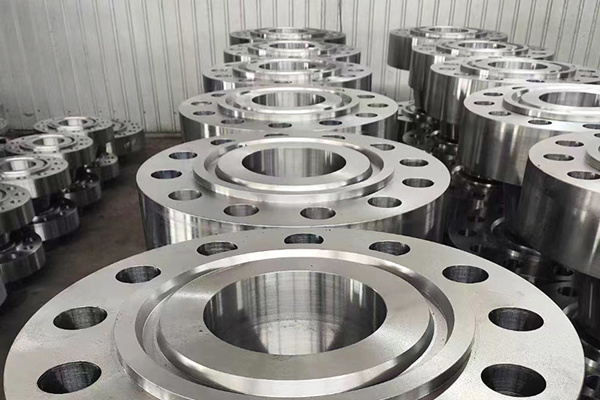
API 6A TYPE 6BX Flanges and blinds are a wellhead connection assembly defined in ANSI/API Spec 6A for connecting piping systems and valve equipment between oil and gas wellheads.
2024-05-22
The Essential Guide to Carbon Steel Plate Flanges in Construction and Decoration
Carbon steel plate flanges are critical components in the construction and decoration materials sector, particularly in piping systems.
2024-05-22