Cangzhou Jieyue Pipe Fittings Manufacturing Co., Ltd.



Understanding Steel Pipe Elbow Joints: Essential Components for Efficient Piping Systems
2026-03-30
One of the primary materials used for these fittings is steel, known for its strength and durability. Steel pipe elbow joints are particularly advantageous in high-pressure applications, as they can withstand significant stress and corrosion. This makes them suitable for industries such as oil and gas, chemical processing, water supply, and HVAC systems.
When selecting steel pipe elbow joints, several factors should be considered:
1. **Material Type**: While steel is common, variations such as stainless steel and carbon steel offer different levels of corrosion resistance and strength. The choice depends on the specific application environment.
2. **Diameter Compatibility**: Ensure that the elbow joint matches the diameter of the pipes in your system. Proper sizing is crucial for maintaining flow efficiency and preventing leaks.
3. **Bend Radius**: The radius of the elbow affects the flow characteristics. A larger radius allows for smoother fluid movement, reducing turbulence and pressure loss, which is essential in systems requiring high efficiency.
4. **Welding and Connection Types**: Different piping systems may require various connection methods. Steel pipe elbow joints can be welded, threaded, or flanged, depending on the installation requirements.
5. **Standards and Certifications**: Adhering to industry standards, such as ASME or ASTM, ensures that the elbow joints meet safety and performance criteria. Always verify certifications when procuring these components.
In conclusion, steel pipe elbow joints are indispensable in the construction and decorative materials sector, providing essential functionality in piping systems. Proper selection and application of these fittings can lead to enhanced system performance, longevity, and reliability. As you design or upgrade your piping systems, understanding the significance of these joints will help you make informed decisions that promote efficiency and safety in your projects.
Key words:
RELATED INFORMATION
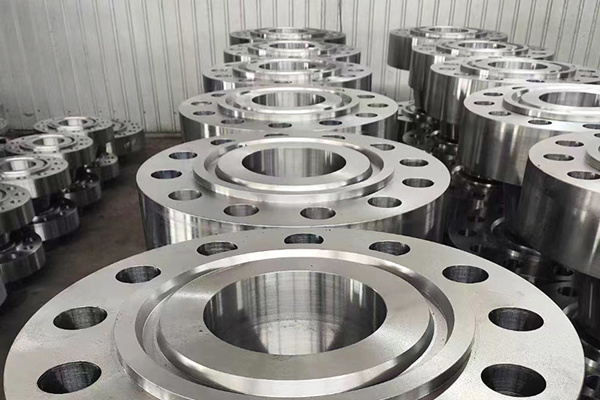
API 6A TYPE 6BX flanges and blinds in ANSI/API Spec 6A specification
2024-05-22

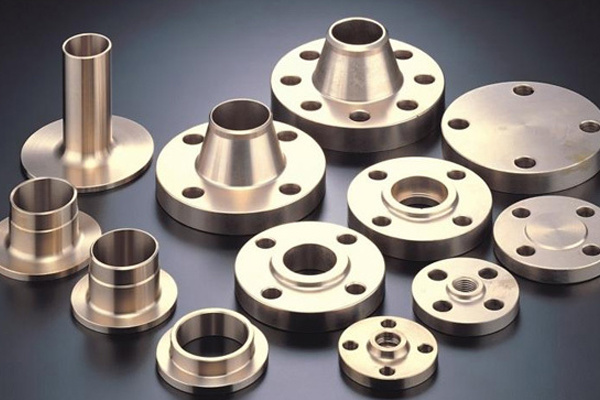
The Essential Guide to Carbon Steel Plate Flanges in Construction and Decoration
2024-05-22


Service E-mail
After-sales complaint E-mail:
WhatsApp / Tel / Wechat:
Address
Mengcun, Cangzhou City, Hebei Province
To inquire about our products, please leave your email to us and we will contact you within 24 hours.
Our Main Products


Cangzhou Jieyue Pipe Fittings Manufacturing Co., Ltd. | Poweredby:300.cn | Privacy Policy
City list