Understanding Steel Pipe Elbows: Essential Components in Construction and Decoration
2026-03-20
Steel pipe elbows are crucial components widely utilized in plumbing and piping systems across various industries, including construction and decoration. These fittings are designed to change the direction of piping, allowing seamless transitions between different sections of a piping system. The versatility and efficiency of steel pipe elbows make them indispensable in various applications, from
Steel pipe elbows are crucial components widely utilized in plumbing and piping systems across various industries, including construction and decoration. These fittings are designed to change the direction of piping, allowing seamless transitions between different sections of a piping system. The versatility and efficiency of steel pipe elbows make them indispensable in various applications, from residential plumbing to large-scale industrial projects.
Typically, steel pipe elbows come in several angles, with the most common being 45-degree and 90-degree elbows. The choice of angle depends on the specific requirements of the piping layout. For example, a 90-degree elbow is often used in areas where space is limited, while a 45-degree elbow may be preferred for applications requiring a smoother flow of liquid or gas.
The material composition of steel pipe elbows enhances their durability and resistance to various environmental factors. Steel, as a material, offers superior strength and is capable of withstanding high pressures, making it ideal for both hot and cold applications. Furthermore, steel pipe elbows can be coated or treated to resist corrosion, increasing their longevity and reducing maintenance needs.
In addition to their functional benefits, steel pipe elbows contribute to the aesthetic appeal of any construction or decorative project. They can be integrated seamlessly into the design of a building, ensuring that both form and function are prioritized. In decorative applications, polished steel elbows can add a modern touch to visible piping systems, enhancing the overall look of the environment.
One of the critical advantages of using steel pipe elbows is their ease of installation. They can be easily welded or threaded into existing piping systems, allowing for quick adjustments and modifications. This flexibility is particularly valuable in construction projects where unforeseen changes in design may occur.
Moreover, the efficiency of piping systems is significantly influenced by the quality of the fittings used. High-quality steel pipe elbows help maintain optimal flow rates and reduce the risk of leaks, which can lead to costly repairs and downtime. Therefore, selecting the right elbow fittings is essential for ensuring the reliability and efficiency of any plumbing or piping system.
In conclusion, steel pipe elbows play a vital role in construction and decoration, offering both functional and aesthetic benefits. Understanding the types, applications, and advantages of these fittings can empower builders and decorators to make informed decisions in their projects. By integrating quality steel pipe elbows into their systems, professionals can enhance both efficiency and design, ultimately leading to successful outcomes in their construction endeavors.
Typically, steel pipe elbows come in several angles, with the most common being 45-degree and 90-degree elbows. The choice of angle depends on the specific requirements of the piping layout. For example, a 90-degree elbow is often used in areas where space is limited, while a 45-degree elbow may be preferred for applications requiring a smoother flow of liquid or gas.
The material composition of steel pipe elbows enhances their durability and resistance to various environmental factors. Steel, as a material, offers superior strength and is capable of withstanding high pressures, making it ideal for both hot and cold applications. Furthermore, steel pipe elbows can be coated or treated to resist corrosion, increasing their longevity and reducing maintenance needs.
In addition to their functional benefits, steel pipe elbows contribute to the aesthetic appeal of any construction or decorative project. They can be integrated seamlessly into the design of a building, ensuring that both form and function are prioritized. In decorative applications, polished steel elbows can add a modern touch to visible piping systems, enhancing the overall look of the environment.
One of the critical advantages of using steel pipe elbows is their ease of installation. They can be easily welded or threaded into existing piping systems, allowing for quick adjustments and modifications. This flexibility is particularly valuable in construction projects where unforeseen changes in design may occur.
Moreover, the efficiency of piping systems is significantly influenced by the quality of the fittings used. High-quality steel pipe elbows help maintain optimal flow rates and reduce the risk of leaks, which can lead to costly repairs and downtime. Therefore, selecting the right elbow fittings is essential for ensuring the reliability and efficiency of any plumbing or piping system.
In conclusion, steel pipe elbows play a vital role in construction and decoration, offering both functional and aesthetic benefits. Understanding the types, applications, and advantages of these fittings can empower builders and decorators to make informed decisions in their projects. By integrating quality steel pipe elbows into their systems, professionals can enhance both efficiency and design, ultimately leading to successful outcomes in their construction endeavors.
Key words:
RELATED INFORMATION
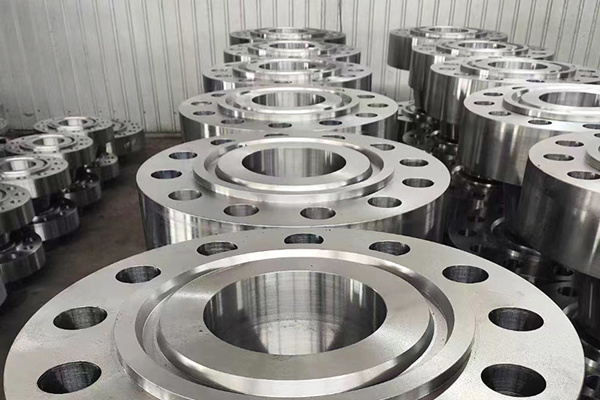
API 6A TYPE 6BX flanges and blinds in ANSI/API Spec 6A specification
API 6A TYPE 6BX Flanges and blinds are a wellhead connection assembly defined in ANSI/API Spec 6A for connecting piping systems and valve equipment between oil and gas wellheads.
2024-05-22
The Essential Guide to Carbon Steel Plate Flanges in Construction and Decoration
Carbon steel plate flanges are critical components in the construction and decoration materials sector, particularly in piping systems.
2024-05-22